
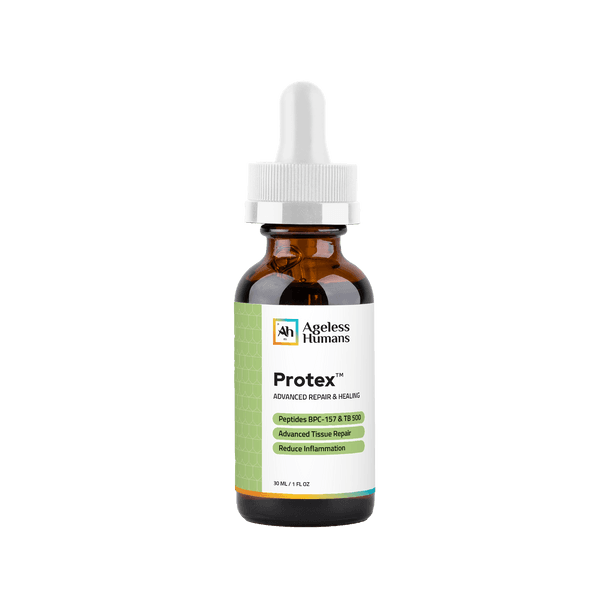
Protex™ Advanced Tissue Recovery & Repair
★★★★ 4 (16)BPC-157 + TB-500 oral sublingual — recovery support without needles
$89.99$71.99 subscribed
FDA-registered facility · Carlsbad, CA · Third-party lab testedUpdated 2026-11-14 · Reviewed by the Ageless Humans editorial team · Third-party tested products
Thymogen is a synthetic dipeptide made of two amino acids, glutamic acid and tryptophan (Glu-Trp). It was developed from research on thymus-derived compounds and has been studied mainly for its role in immune cell signaling. It is not an FDA-approved drug or a US dietary supplement, and Ageless Humans does not sell it as a standalone product. This page explains what it is and what the evidence can and cannot tell you.
BPC-157 + TB-500 oral sublingual — recovery support without needles
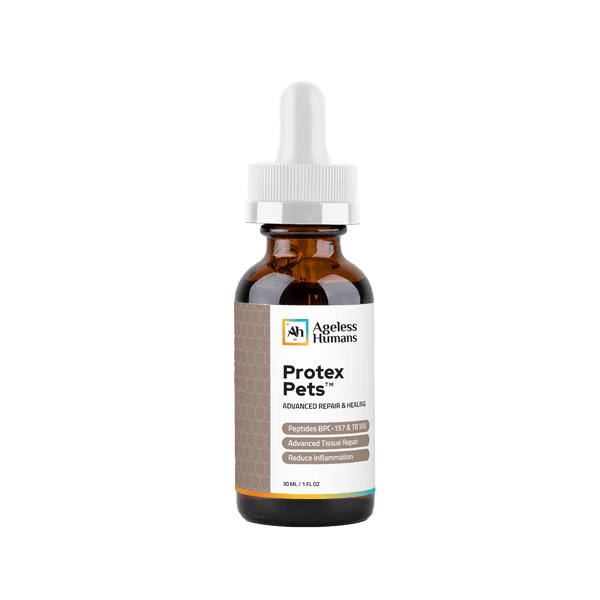

The same repair science, formulated for dogs
Thymogen is a two-amino-acid peptide, L-glutamyl-L-tryptophan, originally isolated during research on thymus extracts. It belongs to a group of short peptides sometimes called "bioregulators." The idea behind them is that very small amino-acid chains may act as signaling molecules in specific tissues.
The thymus is a small gland behind the breastbone. It is where T-cells, a key type of white blood cell, mature. Because Thymogen came out of thymus research, most interest in it centers on immune signaling.
In short:
For background on how peptides work in general, see our guide to [what peptides are](/blogs/news/what-are-peptides).
No. Ageless Humans does not sell Thymogen as a standalone product. This page is for information only. Some of our products contain other peptides, and our store lists which peptides are in each formula.
We publish pages like this one because people want plain answers about peptides they read about online. If that changes and we carry a Thymogen product, we will update this page.
Most people looking up Thymogen want to know whether it can help their immune system keep up as they age. That question makes sense. The thymus naturally shrinks over the adult lifespan, a well-documented process called thymic involution. It produces fewer new T-cells over time.
That biology is why thymus-related peptides draw interest from the longevity community. But a reasonable research question is not a proven result. No peptide or supplement has been shown to restore the thymus, reverse immune aging, or prevent illness.
The steps with the strongest support for normal immune function are still the basics: enough sleep, adequate protein and micronutrients, regular movement, stress management, and staying current with routine care from your healthcare provider.
Research on Thymogen exists, but most of it comes from Russian and Eastern European labs. Large, independent, Western-style clinical trials are limited. Studies have mainly looked at how the dipeptide may interact with immune cell signaling, including T-cell activity.
Think about this evidence in three ways:
An honest summary is that Thymogen is an interesting research peptide with a specific immune-signaling focus. It is not a proven wellness product. Be skeptical of any site that says otherwise.
Thymogen is one of several short peptides from the same bioregulator research tradition, each studied for a different tissue. Related examples include:
What they share: very short chains, tissue-specific research interest, and limited independent human data. What sets Thymogen apart is its immune and thymus focus.
Thymogen is not approved for use in the US, and products sold online as "Thymogen" are usually labeled research chemicals. Purity, dose, and identity are not guaranteed. That is the main practical risk.
Before considering any peptide, keep these points in mind:
If you are interested in peptides as part of a wellness routine, choose a product made for that purpose, with clear labeling and directions. That is what we built with Protex™.
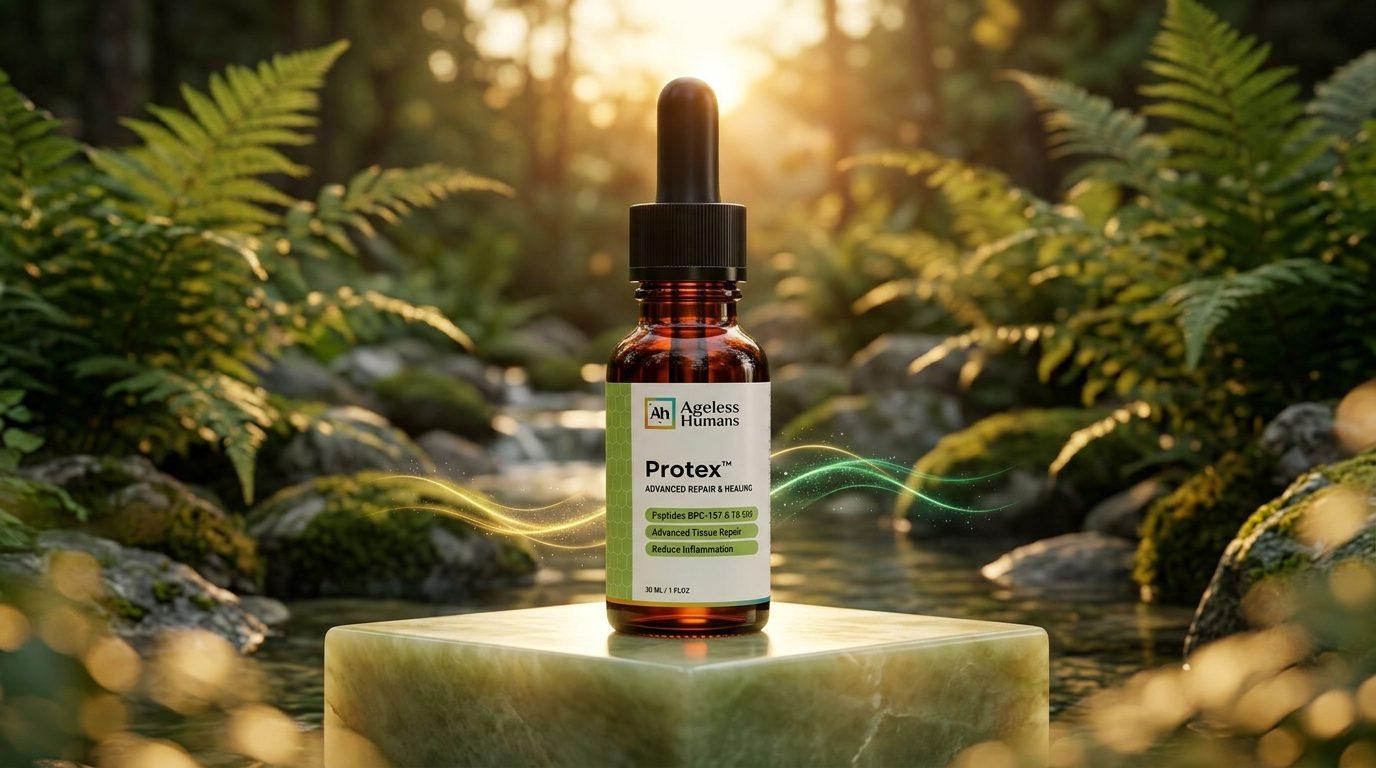
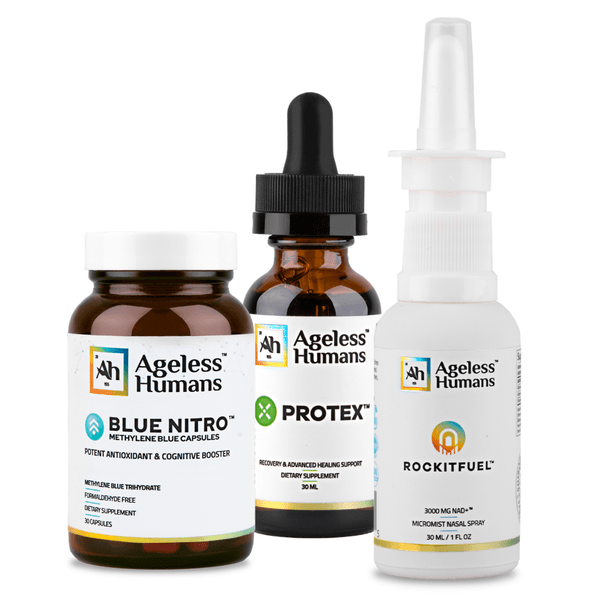
Protex™ BPC-157 & TB-500 oral drops combine two of the most-discussed recovery peptides in an easy oral format. They are designed to support the body's natural tissue recovery processes after training and everyday wear. To learn about one of its key ingredients, read our [BPC-157 peptide guide](/pages/bpc-157-peptide) and our explainer on [what BPC-157 is](/blogs/news/what-is-bpc-157).
Protex Pets™ brings the same recovery-support idea to dogs and cats. It is formulated to help maintain healthy mobility and comfort in active and aging pets.
Use both as directed on the label.
Thymogen is a synthetic dipeptide made of glutamic acid and tryptophan (Glu-Trp). It came out of research on thymus-derived compounds and has been studied mainly for its role in immune cell signaling. It is not FDA-approved and is not a US dietary supplement.
No. Ageless Humans does not sell Thymogen as a standalone product, and this page is for information only. Some Ageless Humans products contain other peptides, such as the BPC-157 and TB-500 in Protex™ oral drops.
No peptide or supplement has been shown to restore the thymus or reverse immune aging. Thymogen has been studied for immune signaling, mostly in Russian and Eastern European research, but large independent trials in healthy adults are lacking. Sleep, nutrition, exercise, and regular medical care remain the best-supported ways to support normal immune function.
Yes, but it is limited. Most published work comes from Russian and Eastern European groups, often the same ones that developed the peptide. Some of it used clinical forms not available to consumers. Independent, large-scale, placebo-controlled human trials are still missing.
Its safety in healthy adults hasn't been established by large independent studies. Products sold online are often unregulated research chemicals with no guarantee of purity or dose. Talk with a qualified healthcare provider before considering any unapproved peptide.
Thymogen is a two-amino-acid peptide studied for immune and thymus-related signaling. BPC-157 is a longer peptide, 15 amino acids, studied mainly in connection with tissue recovery. Ageless Humans offers BPC-157 together with TB-500 in Protex™ oral drops, designed to support the body's natural recovery processes.
Thymogen belongs to a family of short bioregulator peptides that includes Epithalon, Cortagen, Bronchogen, and Cardiogen. Each was studied for a different tissue. All share limited independent human data.
The thymus is where T-cells mature, and it naturally shrinks with age in a process called thymic involution. This is a normal part of aging and the main reason thymus-related peptides attract longevity interest. Supporting overall health through lifestyle remains the most evidence-backed approach.
Third-party tested longevity supplements, shipped from the USA within 24 hours. 60-day money-back guarantee.