
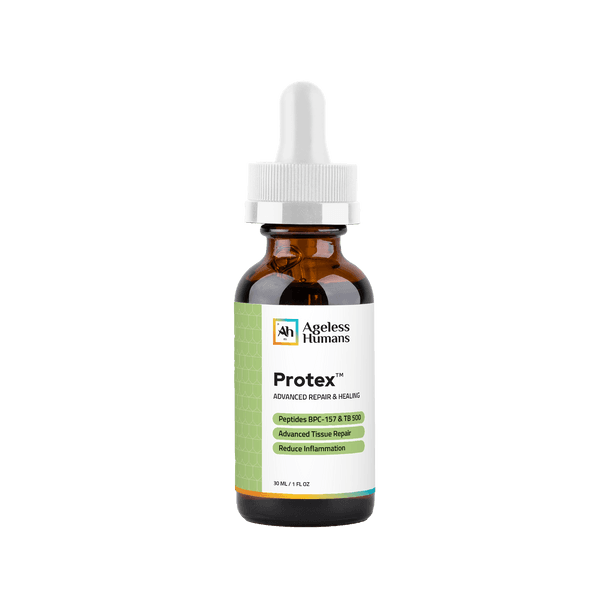
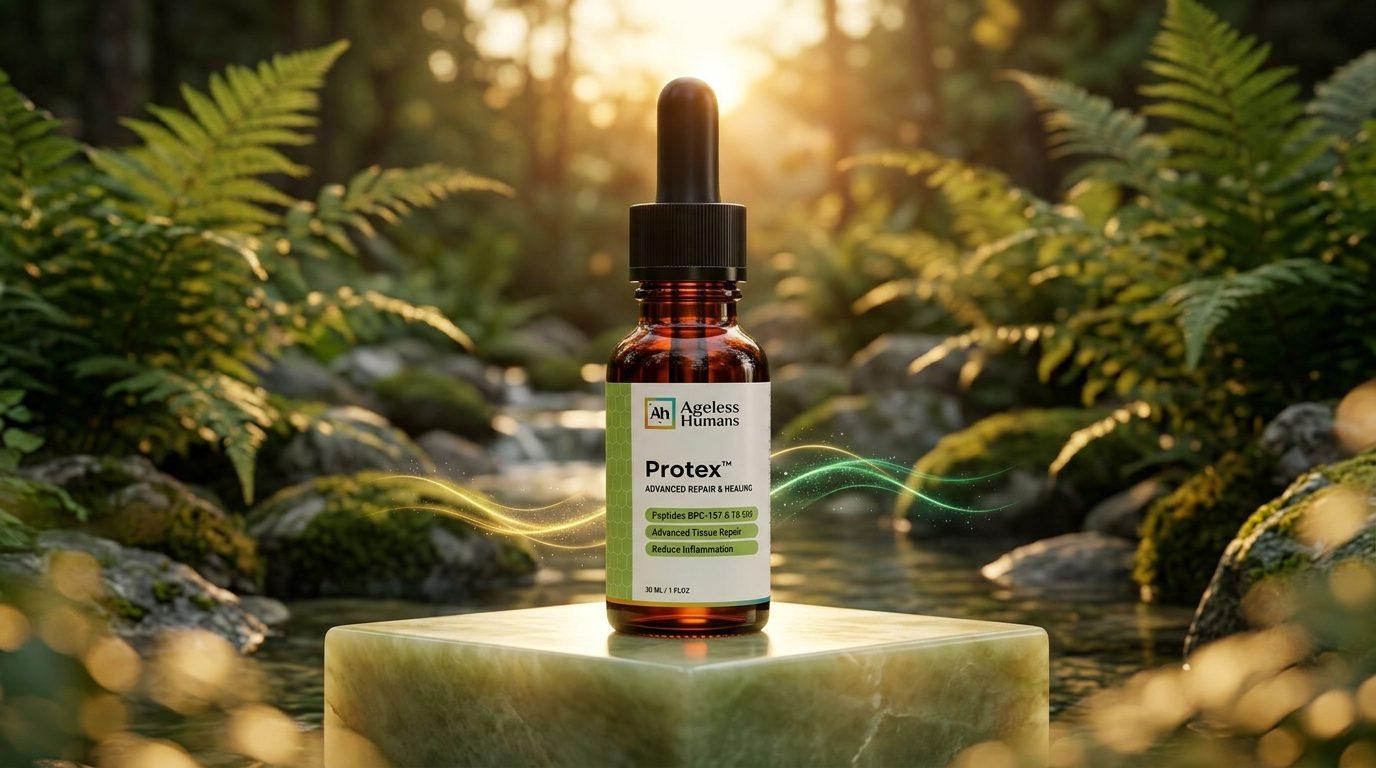
Protex™ Advanced Tissue Recovery & Repair
★★★★ 4 (16)BPC-157 + TB-500 oral sublingual — recovery support without needles
$89.99$71.99 subscribed
FDA-registered facility · Carlsbad, CA · Third-party lab testedUpdated 2026-11-14 · Reviewed by the Ageless Humans editorial team · Third-party tested products
Thymagen is a short peptide modeled on signaling molecules from the thymus, the gland that helps train the immune system's T-cells. It is studied mainly in Eastern European research as a possible support for normal immune function, but it is not an approved supplement ingredient in the U.S. and is not a proven way to boost immunity. Ageless Humans does not sell Thymagen on its own. This page explains what it is, what is known, and what is still unknown.
BPC-157 + TB-500 oral sublingual — recovery support without needles
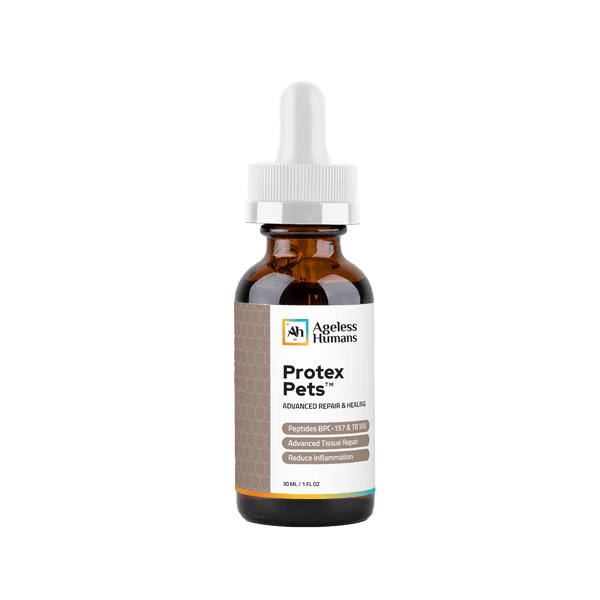

The same repair science, formulated for dogs
Thymagen is a small synthetic peptide built to mimic signals made by the thymus gland. It is usually described as a dipeptide, meaning just two amino acids are linked together. It is often discussed alongside other short "bioregulator" peptides that came out of Russian gerontology research.
A peptide is a short chain of amino acids. It is shorter than a full protein. Your body makes thousands of them, and many act as messengers between cells. For a plain-English primer, see our guide on [what peptides are and how they work](/blogs/news/what-are-peptides).
Important: Ageless Humans does not sell Thymagen as a standalone product. This page is educational only. Some of our formulas contain other peptides, and each product page lists exactly what is inside.
The thymus is where T-cells mature, and it naturally shrinks with age. This is the main reason researchers are interested in thymus-related peptides. The shrinking process is called thymic involution. It begins early in adulthood and continues gradually over the years.
T-cells are a core part of the adaptive immune system, the part that learns and remembers. As thymic output slows, the body relies more on the T-cells it already has. Researchers who study healthy aging are curious whether thymus-derived signals could support how this system works over time.
That interest is legitimate. But it is a research question, not a settled answer. No peptide has been shown to restore the thymus or reverse immune aging in people.
Most Thymagen research comes from small studies, often published outside Western journals, and it has not been confirmed by large independent trials. The work has mainly looked at how the peptide may influence immune cell signaling and balance in lab and clinical research settings.
Here is a fair summary of where things stand:
You may see claims online that Thymagen "fixes" immune problems or means fewer sick days. Those claims go beyond the evidence. Treat any source that promises guaranteed immune results with caution, including older versions of pages like this one.
Thymagen is not an approved dietary supplement ingredient in the United States, and its long-term safety in healthy people has not been well studied. Products sold online as Thymagen are often labeled "for research use only." That label means they are not meant for human use and are not held to supplement manufacturing standards.
Before considering any experimental peptide, talk with a qualified healthcare provider. This matters most if you take medications, are pregnant or nursing, or have an ongoing health condition. Anything that acts on immune signaling deserves professional oversight.
If you want to explore peptides, choose products made under clear quality standards. They should list ingredients transparently and be sold as supplements with label directions.
The best-supported ways to help maintain healthy immune function are everyday habits, not experimental peptides. These basics have far more research behind them than any thymus peptide:
Think of these as the foundation. Supplements can complement a solid routine, but they cannot replace one.
Thymagen belongs to a family of short peptides that are each studied for a specific tissue or system. Researchers often group them by the organ they are modeled on. Comparing them helps put Thymagen in context:
These peptides share the same caveat as Thymagen: early research is interesting, but strong human evidence is limited. Other peptides, like BPC-157, have been studied more for tissue recovery than for immune function.
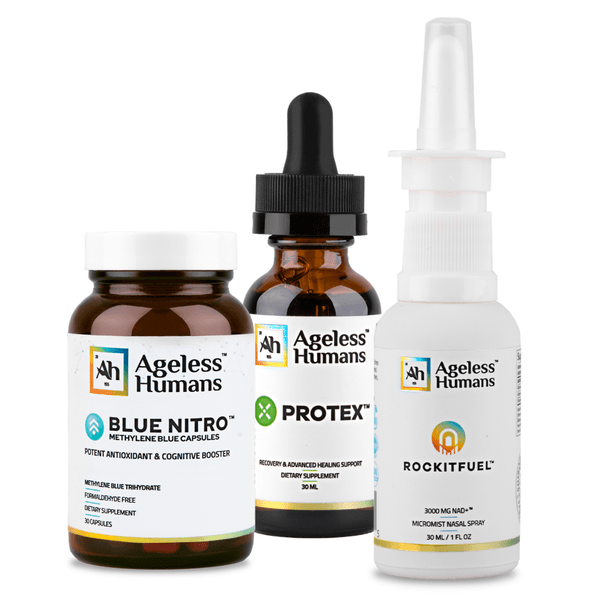
If your interest in peptides centers on recovery and physical resilience, Protex™ BPC-157 & TB-500 oral drops are our peptide formula built for that goal. Protex combines two of the most widely discussed recovery peptides in an easy oral drop format. It is designed to support the body's natural tissue recovery processes after training and daily wear and tear. Learn more about one of its key ingredients on our [BPC-157 peptide page](/pages/bpc-157-peptide).
Have an active dog or cat? Protex Pets™ brings the same peptide-focused approach to pets. It is formulated to support mobility and normal recovery in companion animals.
Neither product contains Thymagen, and neither is intended to boost or treat the immune system. Use both as directed on the label, and check with your doctor or veterinarian if you have questions.
Thymagen is a short synthetic peptide designed to mimic signaling molecules from the thymus gland, where T-cells mature. It is usually described as a dipeptide, made of two linked amino acids. It is studied as a possible support for immune signaling, but strong human evidence is limited.
There is no strong evidence that Thymagen boosts immunity in healthy people. Early studies explore how it may influence immune cell signaling, but large, independent human trials are lacking. Sleep, nutrition, exercise, and stress management remain the best-supported ways to help maintain normal immune function.
Thymagen is not an approved dietary supplement ingredient in the United States. Products sold online are often labeled "for research use only," which means they are not intended for human consumption. Talk to a qualified healthcare provider before considering any experimental peptide.
No. Ageless Humans does not sell Thymagen as a standalone product, and this page is for education only. Some Ageless Humans formulas, such as Protex™ BPC-157 & TB-500 oral drops, contain other peptides. The full ingredients are listed on each product page.
The thymus trains T-cells, a key part of the adaptive immune system. It naturally shrinks with age through a process called thymic involution, so it produces fewer new T-cells over time. This is why researchers study thymus-related peptides, though none has been shown to restore thymus function.
No. Thymagen is modeled on thymus signaling and is studied mainly for immune-related research. BPC-157 is a peptide derived from a protein found in gastric juice, and it is studied mainly for tissue recovery. They come from different sources and are researched for different goals.
The long-term safety of Thymagen in healthy people has not been well established in large independent studies. Research-grade products are not made to supplement standards. Anyone considering it should consult a healthcare provider first, especially if they take medications or have an ongoing health condition.
If your goal is physical recovery rather than immune support, Protex™ BPC-157 & TB-500 oral drops are designed to support the body's natural tissue recovery processes. Protex Pets™ offers a similar approach for dogs and cats. Use both as directed on the label.
Third-party tested longevity supplements, shipped from the USA within 24 hours. 60-day money-back guarantee.