
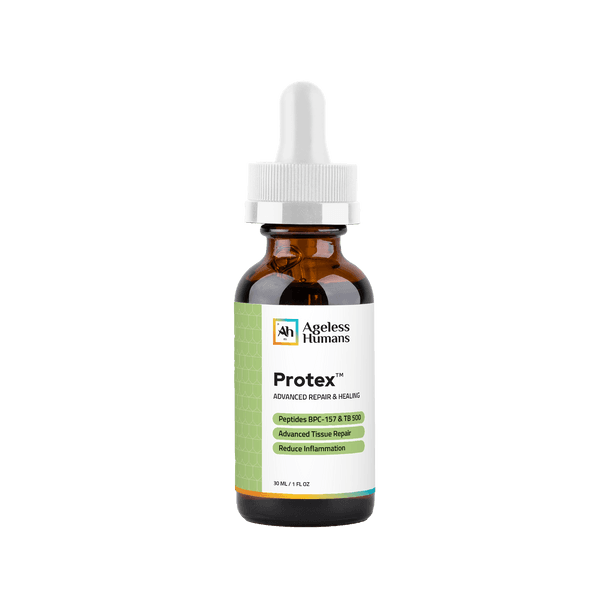
Protex™ Advanced Tissue Recovery & Repair
★★★★ 4 (16)BPC-157 + TB-500 oral sublingual — recovery support without needles
$89.99$71.99 subscribed
FDA-registered facility · Carlsbad, CA · Third-party lab testedUpdated 2026-11-14 · Reviewed by the Ageless Humans editorial team · Third-party tested products
Thymalin is a peptide preparation made from thymus gland extract. It was developed in Russia as a "bioregulator" and has been studied mainly for its role in supporting normal immune function and healthy aging. It is not approved as a drug in the United States, and Ageless Humans does not sell Thymalin as a standalone product. This page explains what it is, what the research does and does not show, and practical ways to support your body's natural defenses.
BPC-157 + TB-500 oral sublingual — recovery support without needles
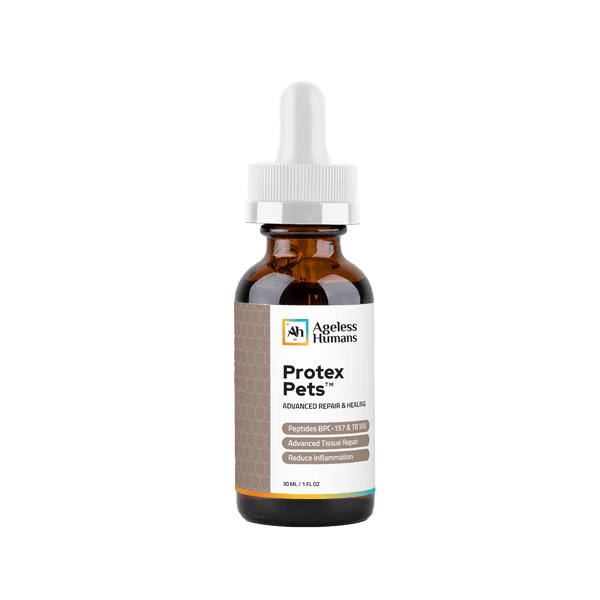
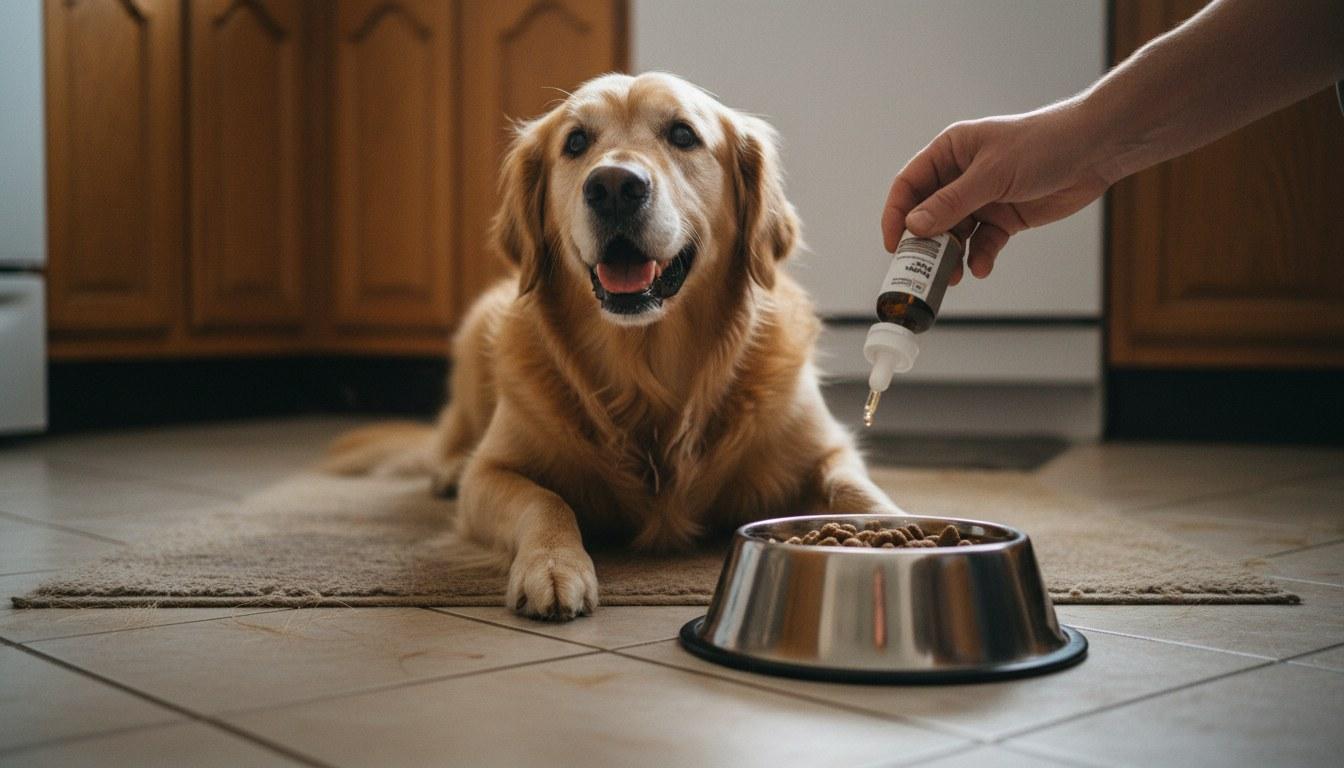
The same repair science, formulated for dogs
Thymalin is a mix of short peptides extracted from animal thymus tissue, traditionally calf thymus. It was developed in the Soviet Union in the late 20th century by researchers in the field of peptide bioregulation. That same research tradition also produced Epithalon, Cortagen, and Bronchogen.
Unlike a single synthetic peptide with one fixed sequence, Thymalin is a complex of polypeptides. That makes it harder to standardize and study than single-molecule peptides. Much of the published work on it comes from Russian clinical and gerontology research. Large independent Western trials are limited.
If you're new to the category, start with our primer on [what peptides are and how they work in the body](/blogs/news/what-are-peptides). It explains the difference between peptides, proteins, and amino acids in plain language.
The thymus is where T cells, a key type of white blood cell, mature and learn to tell "self" from "not self." It sits behind the breastbone and is most active in childhood.
Starting in early adulthood, the thymus gradually shrinks and is partly replaced by fat. Scientists call this thymic involution. It's a normal part of aging, not a disease. As output from the thymus declines, the body relies more on the T cells it has already made.
This is why the thymus draws so much interest in longevity research. People searching for Thymalin usually want to know one thing: can the immune system's training center be supported as we get older? That's a fair question. The honest answer is that research is ongoing, and no peptide has been shown to restore a youthful thymus in healthy people.
Thymalin is described as a "peptide bioregulator," meaning a short peptide believed to send signals to the specific tissue it came from. The theory is that thymus-derived peptides may help support normal signaling involved in T-cell development and balance.
In the research literature, Thymalin has been explored for its relationship to:
These are research directions, not proven outcomes. The bioregulator model is interesting, but it has not been validated by the large, controlled trials that would be needed to confirm how, or how well, Thymalin works in people.
The evidence on Thymalin is early, mostly from one research tradition, and not strong enough to support firm conclusions. Here's a clear-eyed summary.
What exists:
What's missing:
Be skeptical of any seller promising that Thymalin will "boost immunity," stop you from getting sick, or manage a medical condition. Those claims go far beyond the evidence. Anyone with an immune-related health concern should work with a licensed physician, not an online peptide vendor.
Thymalin is one of several tissue-targeted peptides from the same research school, each linked to a different organ system. Comparing them helps clarify what Thymalin is, and what it isn't.
All of these share the same caveat. They're interesting research compounds with limited independent human data, and none are approved drugs in the U.S.
No. Ageless Humans does not sell Thymalin by itself. This page is for education only. Some of our products do contain peptides, and you can see exactly which ones in our store. If that changes for Thymalin, we'll update this page.
If you see Thymalin sold elsewhere, keep these points in mind:
When in doubt, talk to your doctor before trying any peptide, especially if you have a health condition, take medications, or are pregnant or nursing.
The best-supported ways to help maintain normal immune function are the basics, done consistently. No peptide replaces them.
These habits matter more with age, because they support the systems that thymic involution gradually places more demand on.
If your interest in thymus-related peptides comes from wanting better recovery, Protex™ is the more practical, oral option. Here's the link: TB-500 is a synthetic fragment of thymosin beta-4, a peptide first identified in thymus research. It's now known to be present throughout the body's tissues.
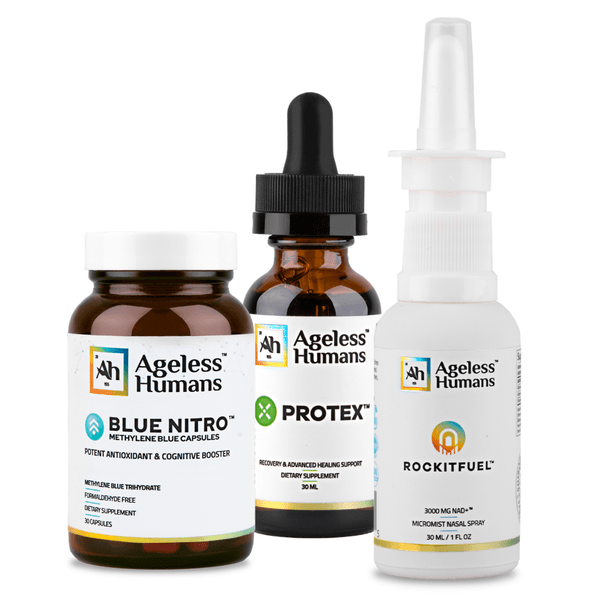
Protex™ BPC-157 & TB-500 oral drops pair TB-500 with BPC-157 in an easy sublingual format. They're designed to support the body's natural tissue recovery and repair processes after training and everyday wear. To learn more about one of its key ingredients, read our [complete guide to BPC-157](/pages/bpc-157-peptide) or our article on [what BPC-157 is](/blogs/news/what-is-bpc-157).
For active dogs and aging companions, Protex Pets™ brings the same recovery-support approach to pets. Protex is not a substitute for Thymalin and is not an immune product. It's a recovery-support supplement for people who want a convenient, quality-focused peptide option.
Thymalin is a peptide preparation made from thymus gland extract, traditionally from calves. It was developed in Russia as a "bioregulator" peptide and has been studied mainly for its relationship to normal immune function and aging. It is a complex mix of peptides rather than a single defined molecule.
Researchers have explored Thymalin for its possible role in supporting lymphocyte activity, immune balance, and age-related changes in immune markers. Most of this research comes from Russian clinical and gerontology studies. Large independent trials are limited, so firm conclusions about its effects in people can't yet be drawn.
There isn't enough high-quality evidence to say that Thymalin boosts the immune system in healthy people. Early research suggests it may influence immune markers, but it has not been confirmed by large, controlled, independent trials. Claims that it stops illness or manages medical conditions go beyond the available evidence.
The thymus is where T cells mature, and it naturally shrinks with age, a process called thymic involution. As the thymus produces fewer new T cells, the body relies more on existing ones. This is why the thymus is a major focus in longevity research, although no supplement has been shown to restore a youthful thymus.
No. Thymalin is not approved as a drug by the U.S. FDA. It is often sold online as a research chemical not intended for human use, and quality can vary widely between sources. Anyone considering it should speak with a licensed healthcare provider first.
Ageless Humans does not sell Thymalin as a standalone product, and this page is for educational purposes only. Some Ageless Humans products contain other peptides, such as Protex™, which contains BPC-157 and TB-500. Check the store for current products and ingredients.
Both trace back to thymus research. Thymalin is an extract-based peptide complex from thymus tissue. TB-500 is a synthetic fragment of thymosin beta-4, a peptide first identified in thymus studies and now known to be present throughout the body. They are different compounds studied for different purposes. TB-500 is mainly associated with tissue recovery.
Consistent sleep, adequate protein, nutrients such as zinc, vitamin D, and vitamin C, regular moderate exercise, and stress management all help maintain normal immune function. These basics have far stronger support than any single peptide. Follow label directions for any supplement and consult a healthcare provider about specific concerns.
Third-party tested longevity supplements, shipped from the USA within 24 hours. 60-day money-back guarantee.