
Berberine and chromium both support healthy glucose metabolism, but they work in different ways. Berberine is a plant compound studied for activating AMPK, the cell's energy sensor. Chromium is a trace mineral thought to help insulin signal more efficiently. Berberine has the deeper and more consistent body of human research, while chromium's evidence is mixed and appears most relevant when intake is low. They target different steps, so they can make sense together in a well-built formula.
The Short Answer: Energy Sensor vs. Insulin Helper
Berberine works inside your cells. Chromium works alongside insulin. That one distinction explains most of the differences between them.
- Berberine is an alkaloid found in plants such as goldenseal, barberry, and Chinese goldthread. Research suggests it activates AMPK, an enzyme that tells cells to take in glucose and burn fuel when energy runs low. This process does not depend on insulin.
- Chromium is a trace mineral found in small amounts in foods like broccoli, whole grains, and meats. The leading theory is that it helps the insulin receptor stay active longer once insulin binds to it, which strengthens the signal.
The practical takeaway: berberine is the stronger single ingredient on the evidence, and chromium is a low-cost supporting nutrient whose benefit likely depends on your baseline status. For a wider view of the category, see our guide to supplements for glucose metabolism.
How Berberine Works: The AMPK Pathway
Berberine supports glucose metabolism mainly by activating AMPK (AMP-activated protein kinase), the cell's master energy switch. When AMPK turns on, cells shift toward taking in and using fuel. Research suggests this includes moving glucose transporters to the surface of muscle cells, encouraging fat oxidation, and moderating how much glucose the liver produces.
Berberine does not appear to bind AMPK directly. Studies suggest it mildly slows a step in mitochondrial energy production, which raises the cell's AMP-to-ATP ratio. The cell reads that as "energy is low" and switches AMPK on. That is why berberine is often compared to exercise in mechanism. Both send a similar "use more fuel" signal through the same pathway.
Berberine is also studied for effects beyond AMPK:
- Gut microbiome: Very little berberine is absorbed, so much of it stays in the gut, where research suggests it may influence the balance of gut bacteria and short-chain fatty acid production.
- Lipid metabolism: It has been studied for supporting healthy cholesterol levels already within the normal range, partly through effects on LDL receptor expression in the liver.
- Carbohydrate digestion: Some research suggests it may modestly slow the breakdown of carbohydrates in the gut.
That range of targets is part of why berberine shows up in so much metabolic research.
How Chromium Works: The Insulin-Cofactor Theory
Chromium is thought to amplify insulin's signal rather than act on its own. The best-known model involves a small peptide called chromodulin (also described as low-molecular-weight chromium-binding substance). In this model, rising insulin draws chromium into cells, where it loads onto chromodulin. Chromodulin then binds the activated insulin receptor and helps keep it working, which strengthens insulin's message to take up glucose.
It is a tidy theory, but it has real gaps. Chromodulin has been hard to fully characterize in humans, and the exact chemistry is still debated. The bigger question is whether chromium is truly an essential nutrient at all. U.S. dietary guidelines set an Adequate Intake for it, while European regulators have concluded the evidence for essentiality is insufficient.
What this means for you: chromium's effect, if any, may depend largely on whether your intake is low. Clear chromium deficiency is considered rare in people who eat a varied diet. So the mineral is best viewed as a nutrient that supports normal insulin function, not as a strong lever for people whose status is already adequate.
Evidence Depth: Where Each One Actually Stands
Berberine has the broader, more consistent human evidence. Chromium's research is larger in volume but more mixed in results. Here is an honest side-by-side:
| Factor | Berberine | Chromium |
|---|---|---|
| Primary mechanism | AMPK activation (insulin-independent) | Insulin receptor signaling (insulin-dependent) |
| Human trials | Many randomized trials and multiple meta-analyses | Many trials, with inconsistent outcomes |
| Consistency | Generally favorable direction across studies | Varies widely by population, form, and baseline status |
| Main limitations | Mostly short-term studies, many from a single region, variable quality | Small effects in people with adequate intake, debated essentiality |
| Common forms | Berberine HCl, dihydroberberine | Chromium picolinate, polynicotinate, chloride |
What the research does show: Berberine has been studied in adults for supporting healthy fasting glucose, post-meal glucose, and lipid markers already in the normal range, and pooled analyses generally point in a supportive direction. Chromium has been studied for supporting insulin sensitivity and glucose metabolism, with some trials showing benefit and many showing little difference from placebo.
What the research does not show: No one has long-term data on either ingredient comparable to what exists for diet and exercise. Many berberine trials are small and short. Many chromium trials enrolled people whose chromium status was never measured, which makes results hard to interpret. Anyone claiming either ingredient is a proven replacement for lifestyle habits or medical care is overselling it.
Practical Tradeoffs: Tolerability, Absorption, and Interactions
Berberine is more potent but less forgiving. Chromium is gentle but subtle. Before choosing, weigh these real-world factors.
Berberine:
- Digestive effects: The most commonly reported side effects are GI-related, such as cramping, constipation, or loose stools. Many people find them easier to handle when berberine is taken with meals, as most labels direct.
- Low absorption: Berberine is poorly absorbed, which is why newer forms like dihydroberberine exist. They are designed to improve uptake.
- Drug interactions: Berberine is studied for affecting liver enzymes (CYP450) that process many medications. If you take any prescription, including glucose-lowering medication, talk with your clinician first.
- Not for pregnancy or breastfeeding.
Chromium:
- Well tolerated at the amounts used in supplements, with few reported side effects.
- Form matters: Picolinate is the most studied form. Polynicotinate and chloride are also common.
- Interactions: It may add to the effect of glucose-lowering medications, so the same advice applies: check with your clinician.
With either ingredient, follow the label directions. More is not better, and these are not substitutes for medical guidance.
Can You Take Berberine and Chromium Together? The Formula Logic
Yes, combining them is mechanistically sensible, because they act at different points in glucose handling. Berberine works through an energy-sensing pathway that does not need insulin. Chromium is thought to strengthen the insulin signal itself. Pairing them covers two routes to the same goal instead of doubling down on one.
That logic is why well-designed glucose-support formulas usually look like a team, not a single star:
1. A primary metabolic driver such as berberine, for AMPK-based support. 2. Supporting cofactors such as chromium, for insulin signaling, often alongside other nutrients studied for glucose metabolism. 3. Doses grounded in research and disclosed on the label, not hidden in a proprietary blend.
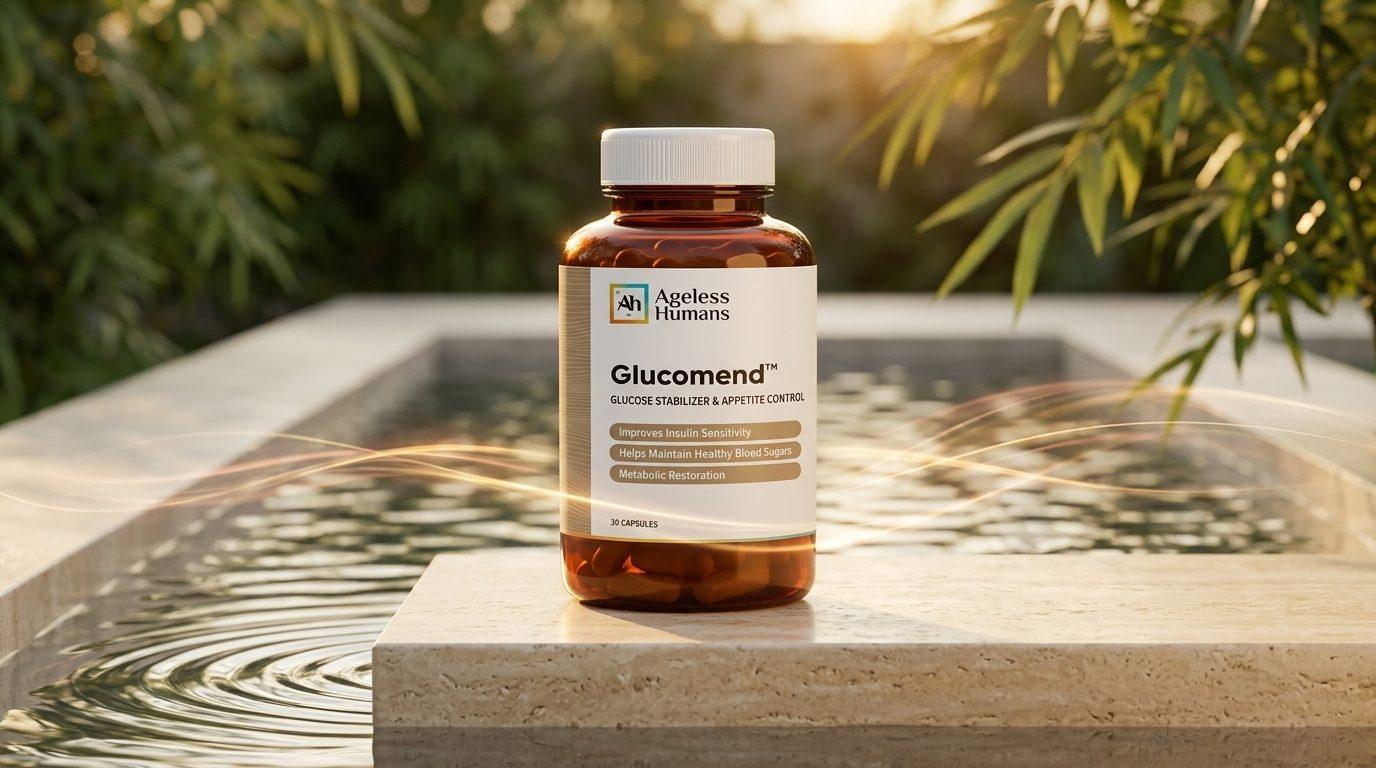
One honest caveat: few trials have tested berberine and chromium together head-to-head against each one alone. The case for combining them rests on complementary mechanisms, not on direct combination evidence. A formula like GlucoMend Glucose Stabilizer is built on that layered approach to support healthy glucose metabolism. Read the Supplement Facts panel to see exactly what is included and in what amounts.
Timing and the 24-Hour Picture
Glucose metabolism doesn't stop at dinner, so the best routines support both daytime meals and overnight recovery. Post-meal glucose responses are only part of the story. Overnight, your body draws on stored energy, and morning glucose reflects how well that process went.
That is why some people pair a meal-time glucose formula with an evening routine. Overnight Metabolic Recovery and Support is designed for the nighttime side of metabolic health, supporting the body's natural recovery processes while you sleep. Check each label for its own directions and ingredients rather than stacking similar ingredients without checking.
The habits that matter most are still the basics. Walking after meals, eating enough protein and fiber, sleeping seven or more hours, and doing regular strength training all support the same AMPK and insulin pathways these ingredients target. Supplements work best as an addition to those habits, not a replacement for them.
How to Choose: A Quick Decision Guide
Pick based on your goal, your tolerance, and your medications. A simple framework:
- You want the most researched single ingredient for glucose support: Berberine, if you tolerate it and your clinician approves any medication overlap.
- You want something gentle, or you suspect your diet is low in chromium: Chromium is a reasonable, low-risk supporting nutrient.
- You want both mechanisms covered: Choose a formula that combines them with transparent doses.
- You take prescription medication: Talk to your clinician before starting either one.
Whatever you choose, quality decides whether the label matches the bottle. Look for third-party testing and a certificate of analysis (COA). Every Ageless Humans product is made in our FDA-registered facility in Carlsbad, California, every lot is third-party lab tested with a COA, and each one comes with a 60-day money-back guarantee.
Frequently asked questions
Is berberine or chromium better for blood sugar support?+
Berberine has the deeper and more consistent body of human research for supporting healthy glucose metabolism. It works mainly by activating AMPK, the cell's energy sensor. Chromium's evidence is more mixed and appears most relevant for people with low intake. Many people use both because they work through different mechanisms.
What is the difference between how berberine and chromium work?+
Berberine activates AMPK, an enzyme that prompts cells to take in and burn glucose without needing insulin. Chromium is thought to help the insulin receptor stay active, strengthening insulin's own signal. In short, berberine works through cellular energy sensing, while chromium works as an insulin helper.
Can you take berberine and chromium together?+
Yes, they are commonly combined because they support glucose metabolism through different pathways. Few studies have tested the pair directly, so the case rests on complementary mechanisms. Follow label directions, and talk with your clinician first if you take any medication, especially glucose-lowering medication.
What are the side effects of berberine?+
The most commonly reported side effects of berberine are digestive, such as cramping, constipation, or loose stools. Taking it with meals, as most labels direct, may help. Berberine may also interact with medications processed by liver enzymes. It is not recommended during pregnancy or breastfeeding.
Does chromium actually work if you're not deficient?+
The evidence is unclear. Some trials show chromium supports insulin sensitivity, while many show little difference from placebo, especially in people whose chromium intake is already adequate. Chromium is best viewed as a low-risk supporting nutrient rather than a strong standalone ingredient.
Which form of chromium is best?+
Chromium picolinate is the most studied form in human research. Chromium polynicotinate and chromium chloride are also common, but chloride is generally considered less well absorbed. Whatever the form, choose a product with third-party testing and a certificate of analysis.