
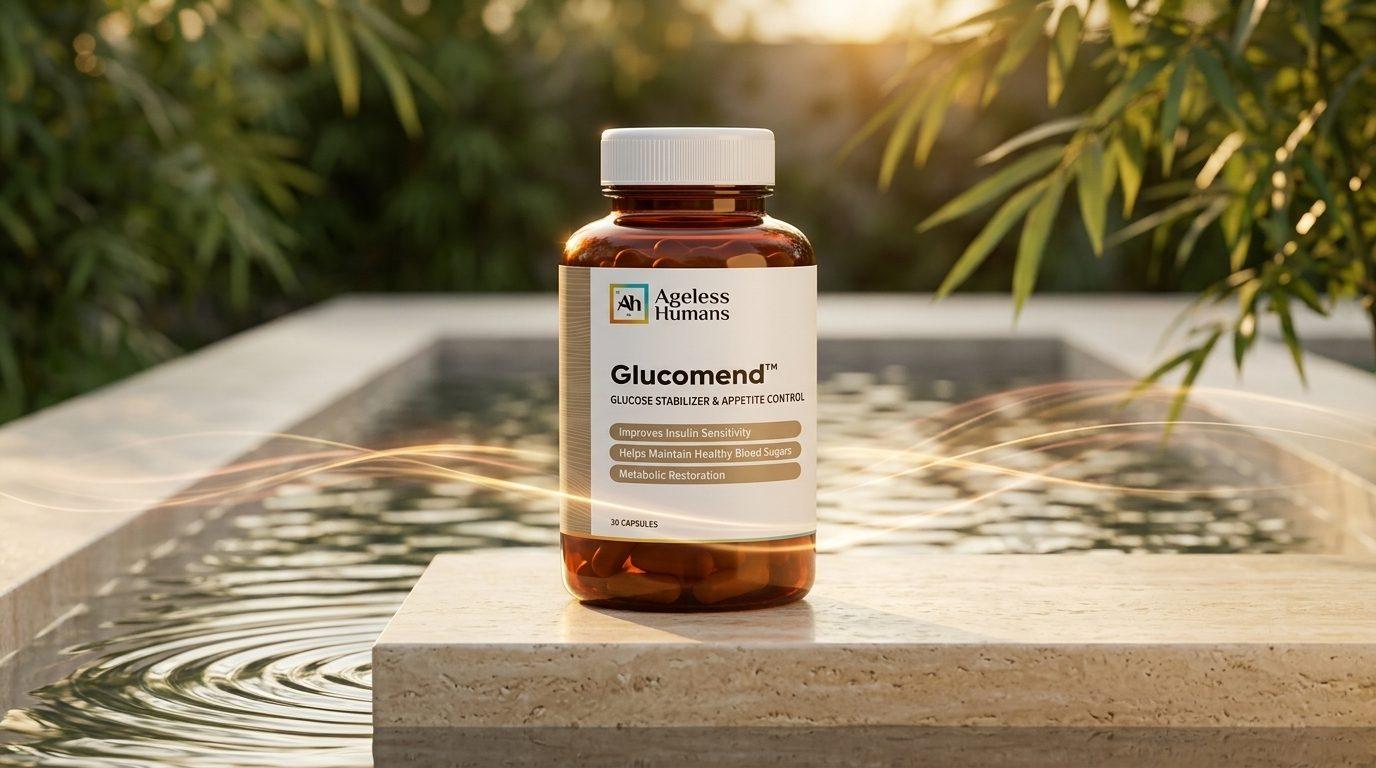
The most-studied supplements for healthy glucose metabolism are berberine, chromium, cinnamon, alpha-lipoic acid, magnesium, inositol, and gymnema. Berberine has the deepest body of human research. Chromium and cinnamon show mixed results, and the others play supporting roles. No supplement replaces diet, movement, and sleep, but the right compounds can help maintain glucose levels that are already within a healthy range.
The Short Answer: Which Compounds Have the Strongest Research?
Berberine leads on research volume. Chromium, cinnamon, and gymnema form a middle tier with inconsistent results. Magnesium, alpha-lipoic acid, inositol, and soluble fiber support the cellular machinery around glucose handling. Here is an honest ranking by the depth of human evidence:
- Berberine: Many human trials and several pooled analyses. Most trials are short and some have quality limits, but this is the most consistently studied compound in the category.
- Chromium: A recognized trace mineral with a known role in insulin signaling. Trial results vary, and benefits may depend on a person's baseline status.
- Cinnamon: Popular and widely studied. Results are inconsistent, partly because cinnamon types and extracts differ so much.
- Gymnema sylvestre: Reliably dulls sweet taste perception. Its effects on glucose metabolism have more limited human data.
- Magnesium, alpha-lipoic acid, inositol, fiber: Foundational nutrients and compounds studied for supporting insulin signaling, cellular energy, and post-meal glucose response.
Keep one caveat in mind throughout. Much of this research enrolled adults whose glucose was already outside the healthy range. The results do not automatically apply to healthy people looking to maintain normal function.
How Glucose Metabolism Works and Where Supplements Fit
Glucose metabolism is how your body moves sugar from your bloodstream into your cells and turns it into energy. Supplements target specific steps in that process. They do not override it. After a meal, glucose enters your blood. Insulin then signals muscle, liver, and fat cells to take it in. How readily cells respond to that signal is called insulin sensitivity. It is the main lever behind steady energy and stable post-meal glucose.
Each compound in this article works on a different step:
- Absorption: Fiber, and possibly some botanicals, slow how fast carbohydrates reach the bloodstream.
- Signaling: Chromium, magnesium, and inositol take part in the insulin signaling chain.
- Cellular energy sensing: Berberine activates AMPK, an enzyme that acts as the cell's fuel gauge.
- Oxidative balance: Alpha-lipoic acid supports antioxidant defenses tied to glucose processing.
Lifestyle moves these levers harder than any capsule. Research consistently points to a few habits: building meals around protein and fiber, walking after meals, strength training, and sleeping enough. For the full picture, see our complete metabolic health guide. Supplements work best as the final layer on top of these habits.
Berberine and Berberine-Class Compounds
Berberine is the most-researched supplement for supporting healthy glucose metabolism. It works mainly by activating AMPK, which helps cells take in and use glucose. It is a yellow plant alkaloid found in goldenseal, barberry, and Chinese goldthread, and it has a long history in traditional medicine. Modern human trials, many of them conducted in China, have studied it for glucose and lipid markers. Pooled analyses describe generally favorable effects. They also flag that many trials are small, short, and uneven in quality.
The catch is absorption. Berberine is poorly absorbed in the gut, which is why it is usually taken in divided amounts with meals. That bioavailability problem led to newer forms:
- Dihydroberberine (DHB): A reduced form that early research suggests may absorb better. The human data is still limited.
- Berberine phytosome or complexed forms: Delivery formats designed to improve uptake, with early-stage evidence.
Know the trade-offs. The most common complaints with berberine are digestive: cramping, constipation, or loose stools. Berberine also affects liver enzymes that process many medications, so interactions are possible. Anyone taking prescription medication, especially glucose-lowering drugs, should talk with a clinician before starting it. Berberine is not recommended during pregnancy or breastfeeding.
Chromium: An Essential Mineral With Mixed Trial Results
Chromium is a trace mineral that supports normal insulin function. Human trials show inconsistent results, and the people most likely to benefit may be those with low chromium status. Researchers believe chromium helps insulin bind to its receptors and send its signal inside the cell. That role is why it appears in nearly every glucose-support formula.
The trial picture is genuinely mixed. Some studies report favorable effects on glucose markers. Others show little change, especially in people with normal glucose and adequate diets. A reasonable reading of the evidence is that chromium helps fill a gap, and it is unlikely to push metabolism beyond normal function.
Form matters. Chromium picolinate is the most studied form. Chromium polynicotinate and chromium-enriched yeast also appear in research. Chromium is effective in microgram amounts, so more is not better. Follow label directions and count chromium from every product you take, including multivitamins.
Cinnamon, Gymnema, and Other Botanicals
Cinnamon and gymnema are the most popular botanicals for glucose support. Both have plausible mechanisms, but their human evidence is less consistent than berberine's.
Cinnamon. Compounds in cinnamon have been studied for their effects on insulin signaling and carbohydrate digestion. Trial results conflict, mostly because studies use different species, doses, and extracts. There are two main types:
- Cassia cinnamon is the common grocery-store type. It contains coumarin, which can stress the liver in large amounts over time.
- Ceylon cinnamon is very low in coumarin. It is the better choice for regular supplemental use.
Gymnema sylvestre. Its name in Hindi roughly means 'sugar destroyer,' and one of its effects is well documented: gymnemic acids temporarily block sweet taste receptors on the tongue. That can make sweets less appealing. It has also been studied for glucose metabolism, though that human data is smaller and less rigorous.
Others you will see on labels:
- Bitter melon: Used traditionally and studied for glucose support. Human results are limited and mixed.
- Banaba leaf (corosolic acid): Studied for its effects on glucose uptake, with a small human evidence base.
- Fenugreek: Its soluble fiber may slow carbohydrate absorption.
These botanicals are reasonable supporting ingredients. None has the research depth to carry a formula alone.
Supporting Nutrients: Magnesium, Alpha-Lipoic Acid, Inositol, and Fiber
These compounds do not grab headlines, but they support the cellular machinery glucose metabolism depends on. Magnesium is the one most people are most likely to be short on.
- Magnesium: A cofactor for hundreds of enzymes, including many in glucose processing and insulin signaling. Observational research links lower magnesium intake with less favorable glucose markers. Many adults fall short of recommended intakes, so magnesium is a practical place to start. Glycinate and citrate forms are generally well tolerated.
- Alpha-lipoic acid (ALA): An antioxidant your body makes in small amounts. It plays a role in mitochondrial energy production and has been studied for supporting insulin sensitivity and oxidative balance.
- Inositol (especially myo-inositol): Acts as a messenger in the insulin signaling pathway. It has been studied for supporting insulin sensitivity, particularly in research on women's hormonal and metabolic health.
- Soluble fiber (psyllium, glucomannan): Forms a gel that slows how fast carbohydrates are absorbed. This is one of the more direct ways to support a gentler post-meal glucose response.
If you change only one thing, get enough magnesium and fiber from food first. Those two gaps are the most common.
What the Research Does Not Show, and Who Should Be Careful
No supplement has been shown to replace diet, exercise, sleep, or medical care. The strongest results tend to appear in people whose glucose was already outside the healthy range. Supplement marketing often blurs that line, so here is what the evidence does not support:
- Dramatic effects in healthy people. If your glucose is already normal, expect support and maintenance, not big changes on a lab report.
- Compensation for a poor diet. No compound offsets regular high-sugar, low-fiber eating.
- Long-term certainty. Most trials last weeks to months. Multi-year data is scarce.
- Substitution for medication. Supplements should never replace something a clinician has prescribed.
Talk to your doctor first if you:
- Take medication that affects blood sugar. Adding glucose-active supplements can push levels too low.
- Take other prescription drugs. Berberine in particular can change how some drugs are processed.
- Are pregnant, breastfeeding, or have liver or kidney concerns.
- Have surgery scheduled.
Track what you notice. Energy between meals, cravings, and focus after lunch are useful everyday signals. A clinician can order labs if you want objective data.
How to Choose a Quality Glucose-Support Supplement
Choose a formula built on well-studied ingredients, with transparent amounts and independent lab testing for each batch. Glucose support is a crowded category with a wide range in quality. Use this checklist:
1. Lead ingredients with real research. Look for compounds covered above, such as berberine, chromium, and supporting nutrients. Be wary of formulas built mainly on exotic extracts with little human data. 2. No proprietary blends that hide amounts. You should be able to see exactly how much of each ingredient you are getting. 3. Specified forms. Look for details like Ceylon cinnamon, chromium picolinate, or a named berberine source. 4. Third-party testing with a Certificate of Analysis (COA). This confirms identity, potency, and purity for the batch in your hands. 5. Known manufacturing. You want to know where and how it was made.
At Ageless Humans, every product is made in our own FDA-registered facility in Carlsbad, California. Every lot is third-party lab tested with a COA, and every product comes with a 60-day money-back guarantee. We think that standard should be the floor for anything you take daily.
Frequently asked questions
What is the best supplement for healthy glucose metabolism?+
Berberine has the largest body of human research among supplements studied for glucose metabolism. It works mainly by activating AMPK, the enzyme that acts as the cell's fuel gauge. Its trade-offs are poor absorption, possible digestive side effects, and potential medication interactions. For many people, a formula that pairs berberine with supporting nutrients like chromium and magnesium is a practical approach.
Does chromium actually help with blood sugar?+
Chromium is an essential trace mineral that supports normal insulin function, but human trial results are mixed. Research suggests chromium may matter most for people whose chromium status is low. It is unlikely to produce noticeable changes in people who already get enough. Chromium picolinate is the most studied form.
Is cinnamon good for glucose metabolism?+
Cinnamon has been studied for supporting insulin signaling and carbohydrate digestion, but trial results are inconsistent. Much of that inconsistency comes from studies using different species and extracts. If you take cinnamon regularly, Ceylon cinnamon is the better choice. Cassia cinnamon contains coumarin, which can stress the liver in large amounts.
Can I take berberine with prescription medications?+
Check with your doctor or pharmacist before combining berberine with any prescription medication. Berberine affects liver enzymes that process many drugs, which can change how those drugs work. If you take medication that affects blood sugar, adding berberine could push glucose levels too low. A clinician can tell you whether it is appropriate for you.
How long do glucose support supplements take to work?+
Most human trials on glucose-support compounds last several weeks to a few months, so give a consistent routine at least that long before judging it. Effects are typically gradual, not immediate. Pairing supplements with fiber-rich meals, regular movement, and good sleep gives them the best chance to help.
Do I need a glucose supplement if my blood sugar is normal?+
Not necessarily. Diet, exercise, and sleep are the foundation of healthy glucose metabolism. Some people with normal glucose choose supplements to help maintain healthy function as they age, or to fill nutrient gaps like magnesium. Expect support and maintenance, not dramatic changes, and review any lab results with your clinician.