
Metabolic health is how efficiently your body turns food into usable energy. It shows up as steady blood sugar, healthy blood fats, stable energy, and a waistline that holds steady over time. It usually drifts as you age, but daily habits like how you eat, move, sleep, and recover strongly shape it, and a few well-studied supplement ingredients may support it.
What Metabolic Health Actually Means
Metabolic health is your body's ability to take in fuel, use what it needs, and store the rest without strain. When the system works well, glucose rises modestly after a meal and comes back down. Your energy stays even, and your body moves smoothly between burning carbohydrates and burning fat.
Clinicians usually look at a cluster of markers rather than one number:
- Fasting blood glucose: how much sugar is in your blood after an overnight fast
- Triglycerides and HDL cholesterol: how your body handles and transports fats
- Blood pressure
- Waist circumference: a rough proxy for fat stored around the organs
None of these markers is the whole story. Together, they show how well your metabolism is keeping up. You can feel fine and still have markers drifting in the wrong direction, so routine bloodwork with your healthcare provider is the only reliable way to know where you stand.
The useful mental model is metabolic flexibility. A flexible metabolism switches fuel sources easily. An inflexible one leans heavily on quick sugar and stores the extra. Most of what follows is about protecting that flexibility.
Why Glucose Stability Sits at the Center
Glucose stability matters most because blood sugar connects your meals, energy, hunger, and long-term metabolic markers. When you eat, glucose enters your bloodstream. The hormone insulin then helps move it into muscle, liver, and fat cells. When that handoff is efficient, glucose rises and falls in gentle curves.
When it becomes less efficient, which researchers call reduced insulin sensitivity, your body has to release more insulin to do the same job. You may notice it before any lab does:
- An energy crash or brain fog an hour or two after carb-heavy meals
- Strong cravings for sweets or snacks soon after eating
- Feeling "hangry" when meals are delayed
- Gradual weight gain around the midsection
These signs aren't diagnostic, but they're worth paying attention to. The goal isn't to remove every glucose rise. Rises after meals are normal and healthy. The goal is smaller, shorter swings and a body that responds to insulin efficiently.
How Metabolism Changes as You Age
Metabolism doesn't simply "break" at 40. Most midlife metabolic change comes from losing muscle, moving less, sleeping worse, and shifting hormones. Research on energy expenditure suggests baseline metabolism stays fairly steady through much of adulthood and declines more noticeably later in life. That's good news, because many of the real drivers are things you can influence.
The main age-related shifts include:
- Muscle loss. Skeletal muscle is the body's largest glucose sink. When muscle mass declines with age and inactivity, you have less tissue available to absorb sugar after meals.
- Lower daily movement. Desk jobs, commuting, and less incidental activity reduce how much glucose your muscles burn throughout the day.
- Hormonal changes. Shifts in estrogen, testosterone, and cortisol can influence where the body stores fat and how it handles glucose.
- Sleep changes. Sleep often becomes lighter and shorter with age. Studies link poor sleep to less efficient glucose handling the next day.
- Mitochondrial changes. The cellular "engines" that burn fuel are an active area of aging research, and their efficiency appears to decline over time.
The takeaway: the most important metabolic intervention after 40 is protecting and building muscle.
The Foundations: Habits With the Strongest Support
Food quality, strength training, walking after meals, and sleep do more for metabolic health than any supplement. Supplements work on top of these foundations, not in place of them.
1. Build meals around protein and fiber. Protein and fiber slow digestion and blunt rapid glucose rises. Some research suggests that eating vegetables and protein before starches in the same meal leads to a gentler glucose curve.
2. Lift something heavy. Resistance training builds the muscle that absorbs glucose. It also appears to improve insulin sensitivity in the muscle itself. Two to three sessions a week is a common, realistic target.
3. Walk after meals. Even a short walk after eating puts glucose to work in your leg muscles right when it peaks. It's one of the simplest, best-supported habits there is.
4. Protect your sleep. Keep a consistent schedule, a cool, dark room, and a buffer between screens and bed. Even a few short nights can noticeably change glucose handling.
5. Manage stress load. Chronic stress keeps cortisol elevated, and cortisol raises blood sugar. Breathing practices, time outdoors, and real recovery days all count.
6. Limit liquid sugar and ultra-processed snacks. These deliver fast glucose with little fiber or protein to slow it down.
If you want a broader framework for testing habits like these on yourself, our guide to biohacking explains how to run simple, measurable self-experiments.
Studied Supplement Ingredients: What Research Shows and Doesn't
Several ingredients have been studied for supporting healthy glucose metabolism and energy use, but effects are generally modest and research quality varies. Here's an honest look at the most common ones.
- Berberine. A plant compound studied for its role in cellular energy signaling, including the AMPK pathway, and for supporting healthy glucose metabolism. It's one of the more researched options. It can interact with medications, so check with your clinician first.
- Chromium. A trace mineral involved in normal insulin function. Research suggests it may help maintain healthy glucose levels, though results across studies are mixed.
- Cinnamon extract. Studied for supporting post-meal glucose response. Findings are inconsistent, partly because studies use different types and preparations.
- Alpha-lipoic acid (ALA). An antioxidant involved in mitochondrial energy production. It's studied for supporting glucose uptake into cells.
- Green tea catechins (EGCG) and caffeine. Studied for supporting fat oxidation and energy expenditure. Effects in research tend to be small and vary from person to person.
What research doesn't show: no supplement replaces muscle, movement, sleep, or a reasonable diet. Many studies are small or short-term, and results in one group don't guarantee results for you. Be skeptical of any product that promises dramatic changes. Take supplements only as directed on the label. If you take any medication that affects blood sugar, talk to your healthcare provider before adding a glucose-support supplement.
Where Supplements Fit in a Real Plan
Supplements make the most sense as a targeted layer once your foundations are in place. Pick them based on your specific goal, not on hype.
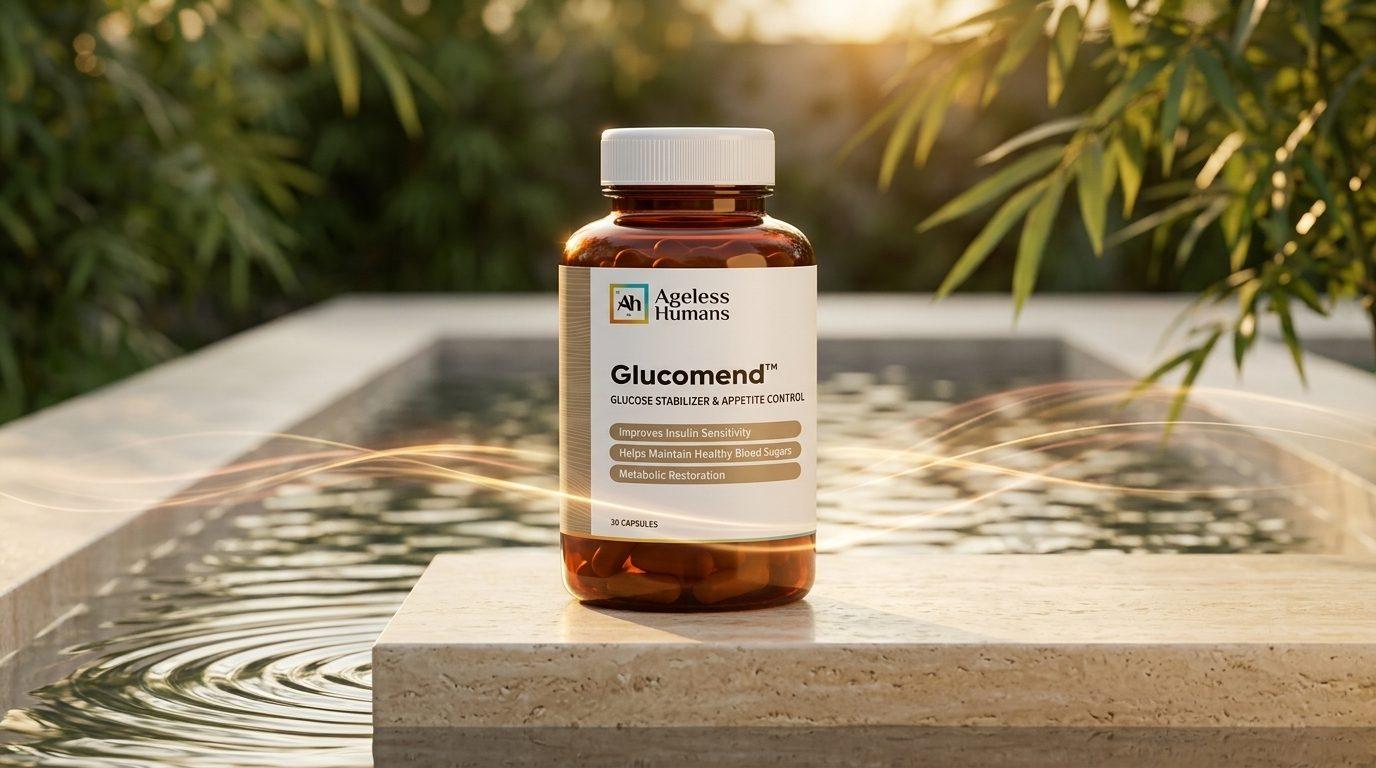
If steady post-meal energy and healthy glucose metabolism is your priority, a formula like GlucoMend Glucose Stabilizer is designed to support healthy blood sugar levels as part of a balanced routine. If your focus is metabolism and energy alongside a weight-management plan, Adipoze is formulated to support fat metabolism and energy use.
Quality matters as much as ingredients. Before you buy any supplement, look for:
- Transparent labels with clear ingredient amounts
- Third-party testing with a Certificate of Analysis (COA) for each lot
- Manufacturing standards you can verify
- A real guarantee
At Ageless Humans, every product is made in our FDA-registered facility in Carlsbad, California, and every lot is third-party lab tested with a COA. Every order comes with a 60-day money-back guarantee. Not sure where to start? Our longevity quiz matches your goals to a routine in a few minutes.
How to Tell If Your Metabolic Health Is Improving
The clearest signals combine how you feel, simple body measures, and lab work over time. Change usually shows up over weeks to months, not days.
Daily signals:
- More even energy through the afternoon
- Fewer intense cravings after meals
- Being able to go longer between meals without feeling shaky or irritable
- Better sleep quality
Simple measures:
- Waist circumference, measured the same way each month
- Strength progress in the gym, a direct sign you're building glucose-absorbing muscle
Lab markers (with your provider):
- Fasting glucose and HbA1c, a longer-term glucose average
- Triglycerides and HDL
- Blood pressure
Some people use a continuous glucose monitor (CGM) to see how specific meals affect them. That can be eye-opening. Use the data to spot patterns, not to fear every rise. Normal post-meal increases are part of healthy metabolism.
Common Mistakes That Stall Progress
The biggest mistakes are relying on supplements alone, over-restricting food, and skipping strength training. Each one works against the system you're trying to support.
- Cutting calories hard without enough protein. This can cost you muscle, the very tissue that supports glucose stability.
- Doing only cardio. Cardio helps, but resistance training builds lasting metabolic capacity.
- Chasing perfect glucose curves. Stress about food can raise cortisol and backfire.
- Stacking too many supplements at once. Add one change at a time so you can tell what's actually helping.
- Ignoring sleep. No diet or product fully makes up for chronically short nights.
Consistency beats intensity. A routine you can keep for years will do more than a perfect plan you drop in a month. When you're ready to build yours, browse the full Ageless Humans collection.
Frequently asked questions
What is metabolic health?+
Metabolic health is how efficiently your body converts food into energy and stores the rest. It's typically assessed through fasting blood glucose, triglycerides, HDL cholesterol, blood pressure, and waist circumference. Good metabolic health usually means steady energy, stable blood sugar, and a body that switches easily between burning carbs and burning fat.
Does metabolism really slow down with age?+
Research suggests baseline metabolism stays relatively steady through much of adulthood and declines more noticeably later in life. Much of the midlife change people notice comes from muscle loss, less daily movement, poorer sleep, and hormonal shifts. Strength training and staying active are among the most effective ways to support metabolism as you age.
What is the fastest way to improve blood sugar stability naturally?+
Some of the quickest, best-supported habits are taking a short walk after meals, eating protein and vegetables before starches, and cutting back on sugary drinks. Over the longer term, strength training and consistent sleep make the biggest difference. These habits work best together and form the base for any supplement routine.
Which supplements are studied for metabolic health?+
Berberine, chromium, cinnamon extract, alpha-lipoic acid, and green tea catechins are among the most studied ingredients for supporting healthy glucose metabolism and energy use. Research results vary, and effects are generally modest compared with diet, exercise, and sleep. Take supplements only as directed on the label, and talk to your healthcare provider first if you take medication that affects blood sugar.
How long does it take to improve metabolic health?+
Many people notice steadier energy and fewer cravings within a few weeks of consistent habit changes. Changes in waist measurement, strength, and lab markers like HbA1c usually take a few months to show. Consistency over time matters more than any single intervention.
Can a supplement replace diet and exercise for metabolic health?+
No. Supplements can support healthy glucose metabolism and energy, but they work best as a layer on top of good nutrition, regular movement, strength training, and quality sleep. Any product that promises results without lifestyle changes deserves skepticism.