
The best longevity supplements for men target three priorities: cellular energy (NAD+ precursors, CoQ10, creatine), recovery (creatine, omega-3s, magnesium, protein), and cardiovascular health (omega-3s, nitric oxide support, CoQ10). None of them replace sleep, training, and a good diet. Used on top of those foundations, the right few can help maintain the energy and resilience men notice slipping after 35.
What Changes for Men With Age, and What Supplements Can Actually Do
Supplements can support the systems that decline with age. They cannot stop aging. For most men, the changes show up in a predictable order: recovery from training takes longer, afternoon energy drops, muscle becomes harder to keep, and heart and blood-flow markers start appearing in annual bloodwork.
These changes trace back to a few biological shifts that researchers study closely:
- Cellular energy. Levels of NAD+, a molecule your mitochondria need to make energy, decline with age.
- Muscle and tissue repair. The body's response to training and its rebuilding work become less efficient.
- Blood vessel function. Nitric oxide production, which helps blood vessels relax and widen, tends to decrease.
- Hormones. Testosterone declines gradually over decades, at very different rates from man to man.
A smart supplement plan targets those specific shifts. It doesn't chase a 20-ingredient "men's vitality" blend. For the full landscape across both sexes, see our complete guide to longevity supplements.
Start With the Foundations, Because Supplements Amplify Them
The biggest longevity gains for men come from resistance training, cardio, sleep, and protein, in that order. Supplements come after. That isn't a disclaimer. It's how the research is built. Most supplement studies give the ingredient to people who are already doing the basics, so the effect sits on top of those habits.
Before you buy anything, cover these:
- Lift 2-3 times a week. Muscle is one of the most important assets an aging man can protect.
- Do zone 2 cardio and some higher-intensity work. Cardiorespiratory fitness is one of the most studied markers of healthy aging.
- Sleep 7-9 hours. Recovery, hormones, and appetite all depend on it.
- Eat enough protein, spread across meals.
- Get annual bloodwork, including lipids, glucose markers, vitamin D, and hormones if your doctor agrees. Data tells you what to prioritize.
Once those are in place, supplements become levers instead of crutches.
For Energy: NAD+ Precursors, CoQ10, and Creatine
If energy is your main complaint, research points first toward NAD+ precursors, CoQ10, and creatine. All three support how cells produce and recycle energy.
NAD+ precursors (NMN and NR). NAD+ is a coenzyme involved in hundreds of cellular processes, including mitochondrial energy production and DNA repair. Because NAD+ levels drop with age, precursors like NMN and NR have been studied to support healthy NAD+ levels. Human trials suggest these precursors can raise NAD+ in the blood. Research on how that translates to how you feel day to day is still developing, so be wary of anyone promising dramatic results. Our NAD+ and NMN supplement is one option for men who want to support cellular energy at the source.
CoQ10. CoQ10 is a key part of the mitochondrial energy chain and works as an antioxidant. The body makes less of it with age. It's especially worth a conversation with your doctor if you take a statin, because statins can lower CoQ10 levels.
Creatine. Creatine is best known for strength, but it also supports rapid energy recycling in muscle and brain tissue. It is one of the most researched supplements in existence, and studies in older adults suggest it supports muscle strength when combined with resistance training.
For Recovery: Protecting Muscle, Joints, and Tissue
For recovery, the best-supported choices are creatine, adequate protein, omega-3s, and magnesium. Peptides like BPC-157 and TB-500 are a newer, more exploratory category.
- Creatine and protein work as a pair. Together they support muscle repair and maintenance after training.
- Omega-3s (EPA and DHA) support a healthy inflammatory response, which shapes how you feel the day after hard sessions.
- Magnesium supports muscle relaxation and sleep quality. Many men fall short on it through diet alone.
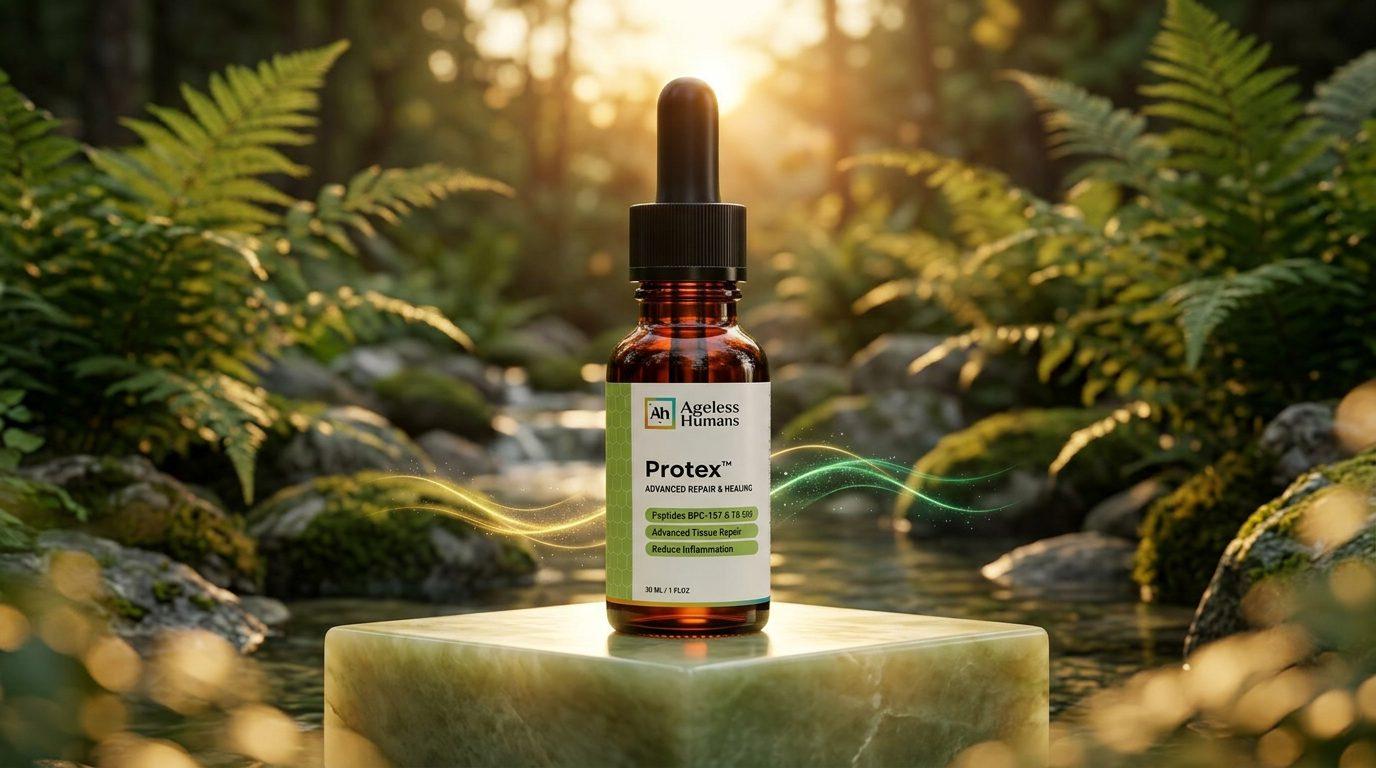
Peptides: promising, early, and worth honest framing. BPC-157 and TB-500 have been studied mostly in animal and laboratory models for their role in tissue repair and recovery signaling. Human research is limited. Men who use them should go in with realistic expectations and treat them as a complement to training and sleep, not a substitute. Our oral BPC-157 and TB-500 peptide formula is built for men who want to support recovery between training sessions. One important note: if you compete in drug-tested sports, both compounds appear on WADA's prohibited list, so check your federation's rules first.
For Cardiovascular Health: Blood Flow, Lipids, and Mitochondria
Men tend to face cardiovascular concerns earlier than women. The most relevant supplement categories are omega-3s, nitric oxide support, and CoQ10. All three support heart and blood vessel function, and none replaces exercise, diet, or medical care.
Omega-3s. EPA and DHA support healthy triglyceride levels already in the normal range, as well as heart function. Fish oil quality varies widely, so look for third-party testing.
Nitric oxide support. Nitric oxide helps blood vessels relax, which supports healthy circulation and blood flow to working muscles. Dietary nitrates (from beets and leafy greens) and L-citrulline are the most studied ways to support nitric oxide production. Men often notice the effect as better workout "pump" and endurance. A formula like NitroBoost combines these ingredients to support circulation. If you take any medication that affects blood pressure or blood flow, talk to your doctor before using a nitric oxide product.
CoQ10 shows up again here because the heart is one of the most energy-demanding organs in the body, and CoQ10 supports its mitochondria.
Hormones and "T-Boosters": What's Real and What Isn't
Most testosterone-booster products overpromise. The nutrients with real research behind them are the ones that correct a shortfall: vitamin D, zinc, and magnesium.
If you're low in any of these, getting back to adequate levels supports normal hormone production. If you're already sufficient, adding more is unlikely to push hormones higher. That's why bloodwork matters. It tells you whether there is a gap to fill.
Be skeptical of proprietary blends that promise big testosterone increases. Those blends often hide doses, and the claims usually rest on small or animal studies. If you have symptoms like persistent fatigue, low drive, or difficulty building muscle despite training well, see a doctor for proper testing rather than self-experimenting with supplements.
How to Build a Stack Without Wasting Money
Pick one priority, add one or two supplements, run them consistently for 8-12 weeks, and evaluate before adding more. Stacking ten products at once makes it impossible to tell what's working.
A practical sequence:
1. Fill gaps first. Vitamin D, magnesium, and omega-3s, guided by bloodwork and diet. 2. Add creatine if you train. It is inexpensive and well researched. 3. Layer in your priority. Choose NAD+ support for energy, peptides for recovery, or nitric oxide support for circulation and training performance. 4. Track something. Sleep quality, training logs, resting heart rate, or how you feel at 3 p.m.
Quality matters as much as ingredient choice. Look for third-party testing with a certificate of analysis (COA) for every lot, clear labels with disclosed amounts, and a manufacturer you can identify. Every Ageless Humans product is made in our FDA-registered facility in Carlsbad, California, and every lot is third-party tested with a COA. Follow label directions, and check with your doctor if you take medications. For our ranked picks across categories, see the best longevity supplements.
Frequently asked questions
What is the best longevity supplement for men?+
No single supplement is best for every man. The right choice depends on your priority. For cellular energy, NAD+ precursors like NMN and CoQ10 are well studied. For muscle and recovery, creatine has some of the strongest research of any supplement. For cardiovascular support, omega-3s and nitric oxide support are common choices.
Should men over 40 take NMN?+
Men over 40 often consider NMN because NAD+ levels naturally decline with age, and NMN is studied for its ability to support NAD+ levels. Human research shows it can raise NAD+ in the blood, while research on longer-term outcomes is still developing. Follow label directions and talk with your doctor if you take medications.
Are BPC-157 and TB-500 safe for men to take?+
BPC-157 and TB-500 have been studied mostly in animal and laboratory research for tissue repair and recovery, and human data is limited. Men considering them should choose a third-party tested product, follow label directions, and consult a healthcare provider. Both compounds are prohibited by WADA, so competitive athletes in tested sports should avoid them.
Do nitric oxide supplements help men's heart health?+
Nitric oxide supplements support healthy blood flow by helping blood vessels relax. Ingredients like dietary nitrates and L-citrulline are the most studied for this. They support circulation and exercise performance but don't replace exercise, diet, or medical care. Men taking medication that affects blood pressure should check with a doctor first.
Do testosterone booster supplements actually work?+
Most testosterone boosters overpromise. Nutrients like vitamin D, zinc, and magnesium support normal hormone production when you're actually low in them, but extra amounts rarely help men who already have enough. If you have symptoms like ongoing fatigue or low drive, bloodwork from a doctor is the best next step.
How long does it take for longevity supplements to work?+
Most longevity supplements need consistent daily use for 8-12 weeks before you can fairly judge them. Some, like nitric oxide support, may be noticeable around workouts sooner, while ingredients aimed at cellular energy work gradually. Add one supplement at a time so you can tell what's helping.