
Recovery supplements work best in a specific order. Sleep comes first, then protein and basic nutrients, then targeted tools like peptides and topicals that support specific repair processes. No supplement can make up for poor sleep or low protein, but the right ones can help your body run its natural repair cycle more efficiently.
How Tissue Repair Actually Works
Recovery is your body rebuilding tissue after stress, and it happens in three overlapping phases. Every hard workout, long run, or heavy lift creates small amounts of tissue stress. Your body responds with a predictable repair sequence. Understanding that sequence is the key to choosing supplements that actually help.
- Inflammatory phase (hours to days): Immune cells clear damaged material and release signals that recruit repair cells. This phase is useful, not something to shut down completely.
- Proliferative phase (days to weeks): Fibroblasts lay down new collagen. New capillaries form to deliver oxygen and nutrients. In muscle, satellite cells activate to repair and add to muscle fibers.
- Remodeling phase (weeks to months): New collagen gets reorganized and strengthened along lines of stress. This is why tendons and ligaments recover more slowly than muscle. They have less blood flow and remodel slowly.
Each phase has different needs. Repair cells need raw materials like amino acids, vitamin C, and minerals. Cell migration and new blood vessel growth depend on signaling. All of it depends on the hormonal and energy environment set by sleep. A smart recovery plan supports each layer instead of chasing one magic ingredient.
Sleep: The Recovery Factor No Supplement Replaces
Sleep is the most powerful recovery tool you have, and every other strategy depends on it. During deep, slow-wave sleep, the pituitary gland releases its largest pulses of growth hormone. That hormone drives tissue repair and protein synthesis. Cut deep sleep short and you lose part of that repair window, no matter what you take.
Sleep also affects recovery in other ways. Short or broken sleep is linked in research to higher perceived soreness, weaker training adaptation, and changes in cortisol and appetite hormones that work against rebuilding tissue. Your brain also does its own cleanup during sleep, which affects coordination and reaction time the next day.
Practical priorities that cost nothing:
- Keep a consistent schedule, including weekends. Regular timing anchors your circadian rhythm.
- Make the room cool, dark, and quiet.
- Stop caffeine early. Its effects can last well into the evening.
- Get morning daylight to set your internal clock.
If your sleep is a mess, fix it before adding anything else. Supplements work on top of good sleep, not instead of it.
The Foundation: Nutrients With the Strongest Track Record
Before peptides or topicals, cover the basics: protein, creatine, omega-3s, magnesium, and the cofactors collagen needs. These are the most studied recovery nutrients, and they supply the raw materials your repair phases use.
- Protein: Muscle and connective tissue are built from amino acids. Enough total daily protein, spread across meals, is the single most important nutrition factor for recovery. Supplements simply make it easier to hit your intake.
- Creatine monohydrate: One of the most researched sports supplements available. It supports cellular energy recycling during intense effort and has been studied for its role in training recovery.
- Omega-3 fatty acids (EPA and DHA): Studied for their role in supporting a balanced inflammatory response and healthy cell membranes.
- Magnesium: Involved in muscle contraction and relaxation, energy production, and sleep quality. Many people don't get enough from food.
- Collagen peptides plus vitamin C: Vitamin C is a required cofactor for collagen production. Collagen peptides supply glycine and proline, amino acids concentrated in connective tissue. Research has looked at taking them together before training to support tendon and ligament health.
- Vitamin D: Supports normal muscle function and bone health. Low levels are common, especially in winter.
None of these is exciting, and that's the point. They're cheap, well studied, and they make every advanced tool work better.
Peptides: What BPC-157 and TB-500 Research Shows (and Doesn't)
BPC-157 and TB-500 are signaling peptides studied for their role in tissue repair, but most of the research comes from animal and lab models, not large human trials. Being clear about that is important. Here's what each one is and why researchers are interested.
BPC-157 is a 15-amino-acid peptide based on a protein found in gastric juice. Preclinical studies have looked at its role in tendon, ligament, and muscle repair processes, new blood vessel formation, and gut lining integrity. Researchers have also noted its relative stability in the digestive environment, which is part of the reason oral forms are being explored.
TB-500 is a synthetic fragment of thymosin beta-4, a naturally occurring protein involved in regulating actin, the structural protein cells use to move. Research has focused on its role in cell migration, which matters during the proliferative phase when repair cells need to reach damaged tissue.
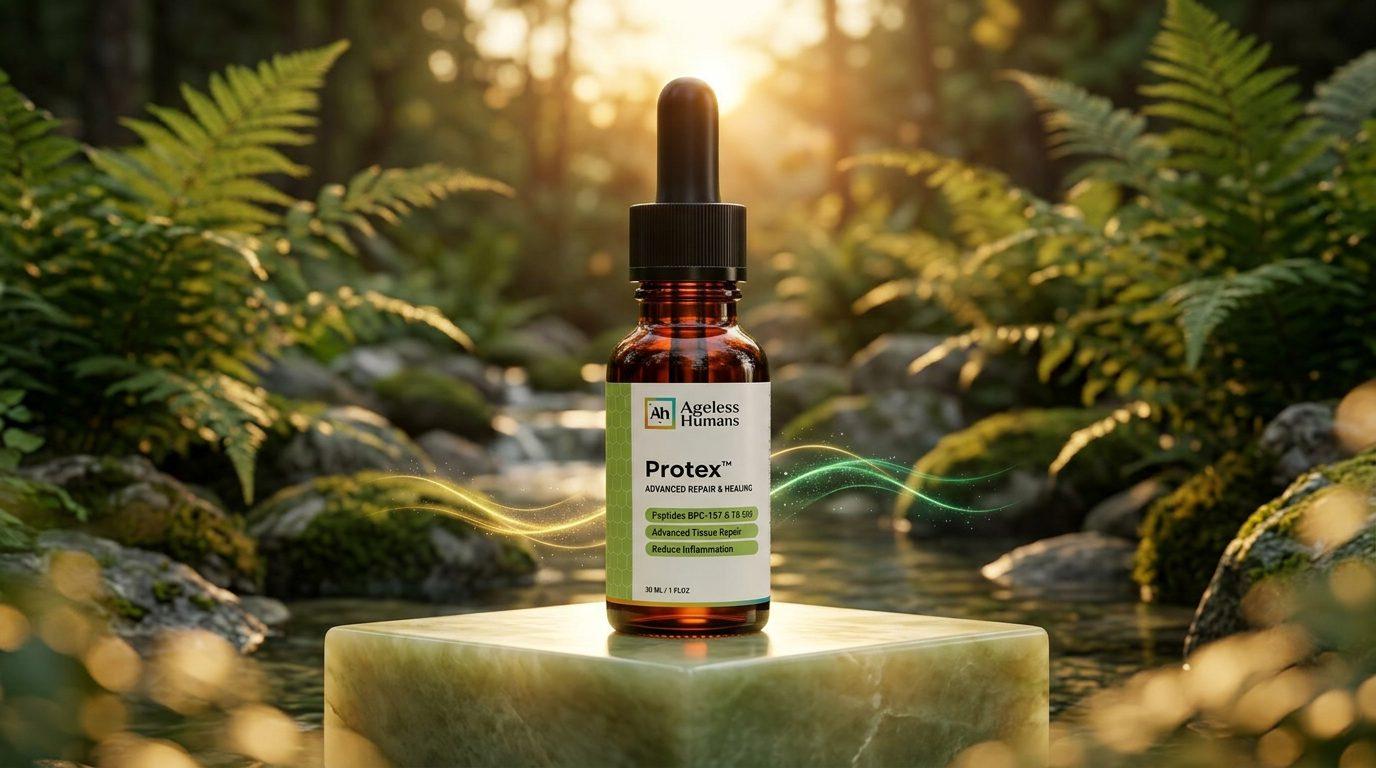
Why pair them? They appear to work through different pathways. BPC-157 is studied around blood flow and growth-factor signaling, and TB-500 around cell movement and structure. An oral blend like Protex BPC-157 & TB-500 brings both into one daily routine without injections.
What to know before using them:
- Human evidence is limited. Treat these as a promising area of research, not a proven outcome.
- Competitive athletes, take note: both compounds appear on the World Anti-Doping Agency's prohibited list. If you compete in tested sport, skip them.
- Quality varies enormously in this category. Third-party testing matters more here than almost anywhere else.
- Follow label directions and talk with your healthcare provider, especially if you're pregnant, nursing, or managing a health condition.
Topicals: Targeted Support Where You Feel It
Topical recovery products deliver ingredients directly to the skin over a working area, and they're best used alongside, not instead of, internal support. The skin is a barrier, so formulation matters. Delivery agents and ingredient size affect how much reaches the tissue.
Two ingredients stand out in current research:
- GHK-Cu (copper peptide): A naturally occurring tripeptide bound to copper. Your body's levels decline with age. It has been studied extensively for its role in collagen production, skin remodeling, and tissue signaling, which makes it one of the better-researched topical peptides.
- NAD+: A coenzyme central to cellular energy production and DNA maintenance, and its levels also decline with age. Topical NAD+ research is earlier-stage. The idea is to support cellular energy in the tissue where it's applied.
A roll-on such as the Advanced Muscle Roll-On with NAD+ and GHK fits naturally into a post-training or pre-bed routine. Apply it to the area you worked, massage it in, and let the physical step of self-massage add its own benefit for circulation and relaxation.
Be realistic. A topical won't replace sleep or protein. It's a targeted layer for areas that take the most load.
How to Build a Recovery Stack, in Order
Build your recovery stack from the bottom up: sleep, then nutrition, then targeted tools. Adding advanced products on a weak foundation wastes money and makes it hard to tell what's working.
1. Lock in sleep. Consistent schedule, dark cool room, caffeine cutoff. 2. Hit your protein target every day, from food first. 3. Add foundational supplements where you have gaps: creatine, omega-3s, magnesium, vitamin D, and collagen with vitamin C. 4. Layer targeted support if you train hard, are rebuilding after a demanding block, or want extra support for connective tissue: oral peptides and a topical for high-load areas. 5. Track something. Morning soreness, sleep quality, training performance, or resting heart rate. Change one variable at a time so you can see what helps.
If you'd rather not assemble everything piece by piece, The Recovery Starter Pack bundles targeted tools in one place. Not sure which layer you need most? Take the Ageless Humans quiz for a recommendation based on your goals. And if you're new to this kind of systematic self-experimenting, our guide to what biohacking actually is explains the testing mindset behind it.
How to Judge Recovery Supplement Quality
Quality comes down to three questions: where it's made, whether each lot is tested, and whether the claims stay honest. The recovery category, peptides especially, is full of products with unclear sourcing and inflated promises.
What to look for:
- Manufacturing: Ageless Humans makes every product in our own FDA-registered facility in Carlsbad, California. Owning manufacturing means controlling every step.
- Third-party testing: Every lot we produce is tested by an independent lab and comes with a Certificate of Analysis (COA). Ask any brand for its COA. If they can't produce one, walk away.
- Honest claims: Legitimate supplements "support" or "help maintain" normal function. Be wary of anything promising to heal injuries or cure conditions. Those claims are a red flag, not a selling point.
- A real guarantee: We back every product with a 60-day money-back guarantee, which gives you time to actually evaluate results.
You can compare our full lineup on the shop page.
Frequently asked questions
What is the most important supplement for recovery?+
Protein is the most important recovery nutrient, because muscle and connective tissue are built from amino acids. Creatine, omega-3s, and magnesium follow as well-studied foundations. No supplement outranks sleep, which drives the growth hormone release your body uses for tissue repair.
Does BPC-157 work in humans?+
BPC-157 has been studied mostly in animal and lab models, where researchers have looked at its role in tendon, muscle, and blood vessel repair processes. Large, controlled human trials are limited, so its effects in people are not well established. It is also on the World Anti-Doping Agency's prohibited list, so tested athletes should avoid it.
What is the difference between BPC-157 and TB-500?+
BPC-157 is a peptide derived from a gastric protein and is studied for its role in blood flow and growth-factor signaling in tissue repair. TB-500 is a synthetic fragment of thymosin beta-4 and is studied for its role in cell migration and actin regulation. Because they appear to act through different pathways, they are often paired.
How does sleep affect muscle recovery?+
Sleep is when your body releases its largest pulses of growth hormone, mainly during deep slow-wave sleep, which supports tissue repair and protein synthesis. Poor sleep is linked in research to greater soreness and weaker training adaptation. Improving sleep is usually the highest-impact recovery change you can make.
Do topical recovery products actually work?+
Topical products can deliver ingredients directly to the skin over a target area, and results depend heavily on the ingredients and formulation. GHK-Cu copper peptide has a substantial body of research on collagen and skin remodeling, while topical NAD+ research is earlier-stage. Topicals work best as a targeted layer on top of sleep and nutrition.
How do I know if a recovery supplement is high quality?+
Look for products made in an FDA-registered facility, with third-party lab testing and a Certificate of Analysis (COA) for each lot. Avoid brands that claim to heal injuries or cure conditions, since legitimate supplements make structure/function claims only. A clear money-back guarantee is another sign a brand stands behind its products.