
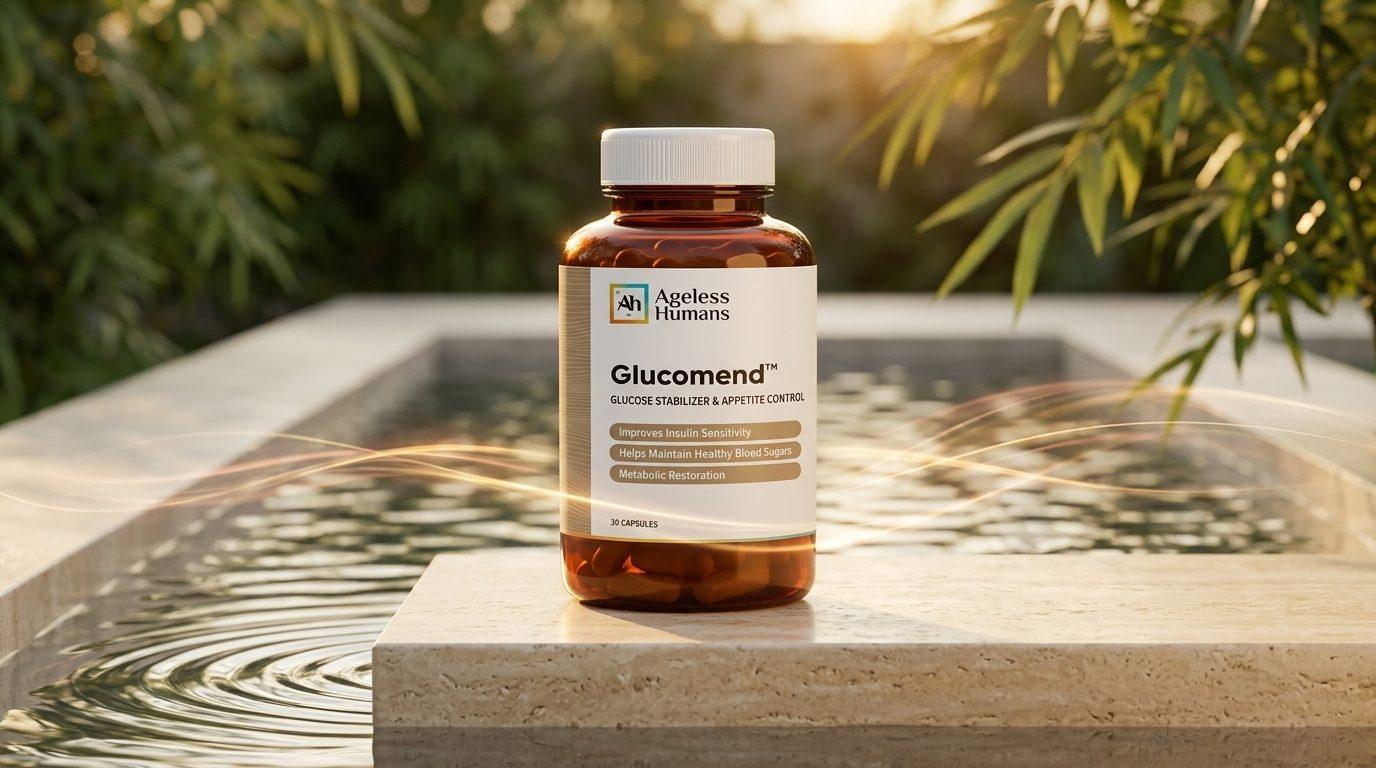
Berberine is not a natural version of Ozempic or any other GLP-1 medication, and it cannot substitute for one. GLP-1 drugs are prescription medications engineered to act directly on a specific hormone receptor. Berberine is a plant compound studied for its broad role in supporting healthy glucose metabolism through different, less targeted pathways. They differ in mechanism, potency, regulation, and evidence, so the right comparison is 'different tools for different jobs,' not 'cheap swap.'
Is berberine 'nature's Ozempic'? The short answer is no
No. Berberine and GLP-1 medications are different categories of product. The nickname spread on social media because both get talked about in the context of blood sugar and metabolism. Sharing a topic does not make two things equivalent.
The comparison usually rests on one idea. Some lab and early human research suggests berberine may influence gut signaling that involves GLP-1, the hormone that prescription GLP-1 drugs are built to mimic. Even if that holds up, nudging your body's own hormone signals is very different from taking a drug designed to activate the receptor strongly and continuously.
The honest framing is simple. A GLP-1 medication is a pharmaceutical prescribed and monitored by a clinician. Berberine is a dietary supplement that may support healthy glucose metabolism alongside diet, movement, and sleep. One is not a budget version of the other.
What GLP-1 medications actually are
GLP-1 receptor agonists are prescription drugs that mimic a gut hormone called glucagon-like peptide-1. Semaglutide (sold as Ozempic, Wegovy, and Rybelsus) and liraglutide (Victoza, Saxenda) are the best-known examples. Tirzepatide (Mounjaro, Zepbound) acts on GLP-1 plus a second hormone receptor, GIP.
Your body makes its own GLP-1 after you eat. It signals the pancreas, slows how fast the stomach empties, and contributes to feelings of fullness. Natural GLP-1 breaks down within minutes. These medications are engineered to resist that breakdown, so their effect lasts far longer. That design gives them their potency.
These drugs are approved by the FDA for specific medical conditions, require a prescription, and come with known side effects and monitoring needs. For a closer look at one of them, read our guide to liraglutide benefits and how it works.
What berberine actually is, and what research suggests
Berberine is a yellow alkaloid found in plants such as barberry, goldenseal, Oregon grape, and Chinese goldthread. It has a long history in traditional herbal practice and has become one of the most researched botanicals for metabolic health.
Research suggests berberine works through several pathways rather than one receptor. The most studied is AMPK, an enzyme often called the cell's 'energy sensor' that helps regulate how cells take in and use glucose. Berberine has also been studied for its interactions with the gut microbiome and with lipid metabolism. Some research explores whether it influences GLP-1 release from the gut, but that work is early and indirect.
Here is what research does not show:
- It does not show berberine performs like a GLP-1 medication.
- It does not show that berberine and a GLP-1 drug produce the same effects.
- It has not established berberine as a substitute for any prescribed therapy.
Berberine is also poorly absorbed when taken by mouth, which is one reason results in studies vary. As with any supplement, the evidence is promising in places and incomplete in others.
The categorical differences, side by side
The two differ on every dimension that matters: mechanism, strength, regulation, evidence, and oversight.
- Mechanism: GLP-1 drugs directly activate the GLP-1 receptor. Berberine acts mainly through cellular energy pathways like AMPK, with possible indirect effects on gut hormones.
- Design: GLP-1 drugs are engineered molecules built to last in the body. Berberine is a naturally occurring plant compound with limited absorption.
- Regulation: GLP-1 drugs went through the FDA drug-approval process. Berberine is sold as a dietary supplement and may only make structure/function claims, such as supporting healthy glucose metabolism.
- Evidence base: GLP-1 drugs have large, long-term clinical trial programs. Berberine research includes many smaller studies of varying quality.
- Delivery: Most GLP-1 drugs are injected and one form is a tablet, all on a prescribed schedule. Berberine is taken orally according to label directions.
- Oversight: GLP-1 drugs require a prescriber who monitors you. Supplements do not, so your own diligence and your doctor's input matter even more.
Calling berberine 'nature's Ozempic' skips over every one of these differences.
What people are really asking, answered honestly
Most people searching this want to know whether they can skip the prescription. The answer is no, not as a replacement.
If you're curious about a GLP-1 drug, the cost, side effects, or access issues may have pushed you toward a supplement. That's understandable, but a supplement can't replicate a prescription drug's targeted action. Treating it as a stand-in can lead to wrong expectations.
If you're already on a GLP-1 drug, you might ask whether berberine could 'boost' it. Don't add it on your own. Both relate to glucose metabolism, and combining products that affect the same system belongs in a conversation with your prescriber.
If you're coming off a GLP-1 drug, you might hope berberine can 'hold' your results. No research supports using berberine that way. Your clinician should guide any transition.
If you just want to support healthy metabolism without a medical need for medication, berberine is one of several botanicals worth discussing with your doctor. Our overview of supplements for glucose metabolism covers the wider landscape.
Safety: interactions and side effects to take seriously
Berberine is natural, but natural does not mean free of interactions. Research suggests berberine can affect liver enzymes that process many common medications. That can change how much of a drug stays active in your body.
The main considerations:
- Medication interactions: Talk to a clinician first if you take any prescription, especially medications that affect blood sugar, blood pressure, blood thinning, or anything metabolized by the liver.
- Stacking effects: Using berberine with a GLP-1 drug or other glucose-related medication should only happen under medical guidance.
- Digestive effects: Some people report stomach upset, constipation, or loose stools.
- Pregnancy and breastfeeding: Berberine is generally not recommended. Ask your doctor.
GLP-1 medications have their own side-effect profile, which is why they require a prescriber. The takeaway is the same for both: decisions about your metabolism go better with a professional involved. Always follow label directions for any supplement.
What to ask your doctor before trying berberine
Bring specific questions to your appointment so you leave with a clear plan. Useful ones include:
1. Given my current medications, is berberine likely to interact with anything I take? 2. I'm on, or considering, a GLP-1 medication. Should I avoid berberine entirely? 3. Which lab markers would you want to check, and when? 4. Is there a reason in my health history to avoid berberine or similar botanicals? 5. What realistic outcome should I expect from a supplement versus a prescription option? 6. If I start a supplement, how will we decide whether it's worth continuing?
Bring the actual bottle or a photo of the label. Ingredient amounts and blends vary between products, and your doctor can only judge what they can see. Many clinicians are open to supplements when patients ask before starting, not after.
Where supplements honestly fit
Supplements work best as part of a routine, not as a replacement for medical care. The foundations of healthy glucose metabolism are well established: fiber-rich meals, adequate protein, regular movement, strength training, consistent sleep, and stress management. A well-made supplement can support those habits. It can't replace them, and it can't replace a prescription you need.
When you choose a supplement, quality matters as much as the ingredient. Look for transparent labels, third-party testing, and a manufacturer that stands behind the product. At Ageless Humans, every product is made in our FDA-registered facility in Carlsbad, California, every lot is third-party lab tested with a Certificate of Analysis, and every purchase carries a 60-day money-back guarantee.
Keep expectations realistic. 'Nature's Ozempic' is a marketing phrase, not a scientific category, and honest choices start with knowing the difference.
Frequently asked questions
Is berberine the same as Ozempic?+
No. Ozempic (semaglutide) is a prescription GLP-1 receptor agonist engineered to activate the GLP-1 receptor strongly and for a long time. Berberine is a plant compound sold as a dietary supplement, studied mainly for supporting healthy glucose metabolism through pathways like AMPK. They differ in mechanism, potency, regulation, and evidence.
Can berberine replace a GLP-1 medication?+
No. Berberine is not a substitute for any GLP-1 medication or other prescribed therapy. If you have been prescribed a GLP-1 drug or are considering one, any decision to start, stop, or change it should be made with your prescriber.
Does berberine increase GLP-1 naturally?+
Some early research suggests berberine may influence gut signaling involved in your body's own GLP-1 release, but the evidence is preliminary and indirect. Even if confirmed, a modest effect on natural hormone signaling is very different from a medication designed to activate the GLP-1 receptor continuously.
Can I take berberine with a GLP-1 drug?+
Only under the guidance of your prescriber. Both relate to glucose metabolism, and berberine may affect liver enzymes that process many medications. Talk to your doctor before combining them.
Why do people call berberine 'nature's Ozempic'?+
The nickname went viral on social media because both berberine and GLP-1 drugs are discussed in the context of blood sugar and metabolism. It's a catchy marketing phrase, not a scientific comparison. It overstates what berberine research shows and ignores major differences in how each one works.
What are the side effects of berberine?+
Some people report digestive effects such as stomach upset, constipation, or loose stools. Berberine may also interact with medications processed by the liver and is generally not recommended during pregnancy or breastfeeding. Check with a healthcare professional before starting it, and follow label directions.