
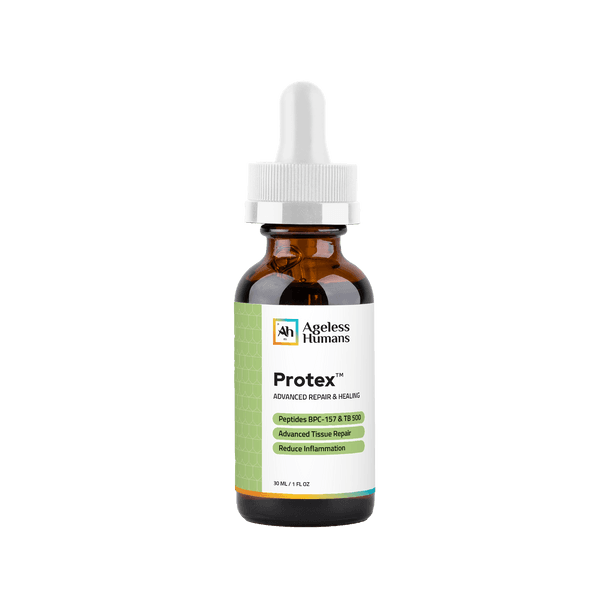
Protex™ Advanced Tissue Recovery & Repair
★★★★ 4 (16)BPC-157 + TB-500 oral sublingual — recovery support without needles
$89.99$71.99 subscribed
FDA-registered facility · Carlsbad, CA · Third-party lab testedUpdated 2026-11-14 · Reviewed by the Ageless Humans editorial team · Third-party tested products
PNC-27 is a synthetic, lab-made research peptide built partly from a fragment of the p53 protein. It is studied in laboratory settings, is not a dietary supplement, and is not approved for any human use. Ageless Humans does not sell PNC-27, and no supplement, PNC-27 included, treats, cures, or prevents disease.
BPC-157 + TB-500 oral sublingual — recovery support without needles
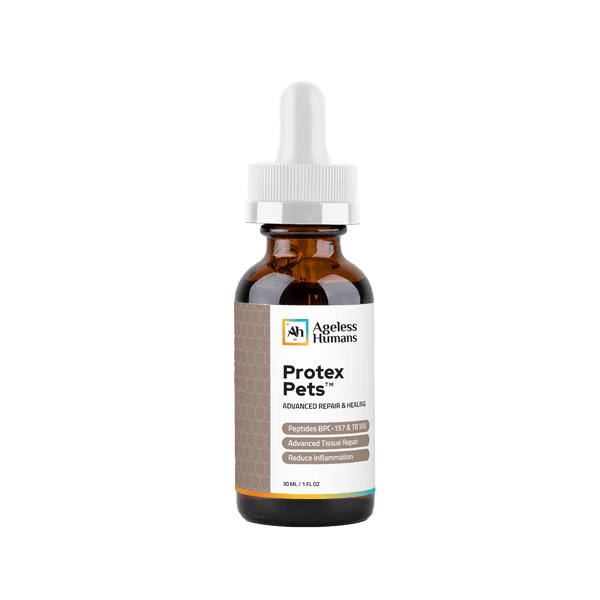

The same repair science, formulated for dogs
PNC-27 is an experimental peptide made in the lab for research, not a wellness product. It joins two pieces. One is a short sequence taken from the p53 protein, a protein cells use to manage their own growth and stress responses. The other is a "membrane residency" sequence that helps the peptide attach to cell membranes.
Most peptides people hear about, such as collagen peptides or [BPC-157](/pages/bpc-157-peptide), are discussed for everyday recovery or wellness. PNC-27 is different. It was designed as a tool for studying how certain cells behave, and nearly all the work on it has been preclinical, meaning lab dishes and animal models.
If you're new to the topic, our guide on [what peptides are and how they work](/blogs/news/what-are-peptides) covers the basics before you go deeper here.
Researchers propose that PNC-27 targets cells with a specific protein on their outer membrane. The p53-derived part of the peptide is the stretch that normally binds a protein called HDM-2. In the working model, some abnormal cells carry HDM-2 on their surface. PNC-27 is thought to bind there and disrupt the membrane, while cells without surface HDM-2 are largely left alone.
That proposed selectivity is why PNC-27 draws attention in research circles. It is also why it has nothing to do with the general "cellular health," "detox," or "energy" benefits that some websites, including an earlier version of this page, attributed to it.
In short:
PNC-27 research is early-stage and preclinical. It does not establish safety or benefit in people. Most published work involves cell cultures and animal models studying abnormal cell lines. Those settings are useful for generating hypotheses. They often fail to predict what happens in a living human body.
What the research does offer:
What the research does not offer:
If you see PNC-27 sold with promises of results, the seller is going well past the evidence.
No. PNC-27 is not a dietary supplement and is not approved by the FDA for any use. It is generally sold online as a "research chemical," labeled not for human consumption. Those products are not held to supplement manufacturing standards, so purity, identity, and contamination are hard to verify.
People searching "PNC-27 therapy" are usually hoping for a targeted way to protect their cells or address a serious health concern. That's an understandable goal. The honest answer is that no peptide sold online, and no supplement of any kind, treats, cures, or prevents disease. Anyone facing a serious diagnosis should work with their physician and ask about properly regulated clinical trials rather than buying an unverified research compound.
An earlier version of this page described PNC-27 as a "therapy" with personalized dosing and broad benefits. That wasn't accurate, and we've replaced it with this guide.
We don't sell PNC-27 because it isn't a supplement and lacks human safety data for consumer use. Our products are dietary supplements made for structure/function support. That means they help maintain normal body processes and are not meant to address disease.
We keep this page up because people search for PNC-27 and deserve a straight answer. Our wider peptide library follows the same approach. It covers compounds like [Humanin](/pages/humanin-peptide) and [FOXO4-DRI](/pages/foxo4-dr-peptidei-anti-aging-solution), separates what's been studied from what's been hyped, and flags which ones are research-only.
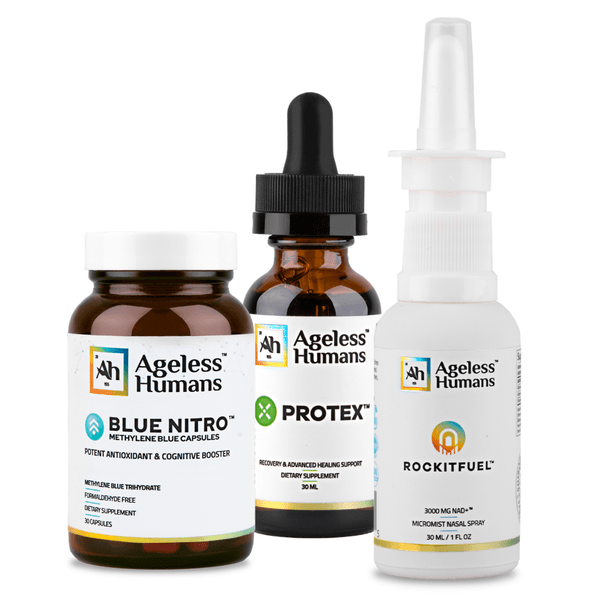
If your real goal is helping your body recover from daily wear and tear, a well-made peptide supplement is a more practical place to start. Protex™ BPC-157 & TB-500 oral drops pair two of the most widely discussed recovery peptides in an easy oral format. They are formulated to support the body's natural tissue recovery processes after training and everyday physical stress.
Why people choose Protex™:
For dogs and cats, Protex Pets™ brings the same recovery-support idea to a formula made for animals. It's a good fit for active pets or older companions whose joints and tissues take more of a daily beating.
Want the science first? Read our explainer on [what BPC-157 is and how it's studied](/blogs/news/what-is-bpc-157). Use either product only as directed on the label.
A trustworthy peptide source tells you what's proven, what's preliminary, and what's unknown. Use this quick checklist before you buy anything:
1. Is it sold as a supplement or a "research chemical"? Research chemicals aren't meant for people to take. 2. Does the seller promise to treat, cure, or reverse anything? That's a legal and scientific red flag. 3. Are the claims specific to the compound's mechanism? Vague promises like "detox, energy, immunity, anti-aging" for every peptide signal marketing, not science. 4. Is there third-party testing and clear labeling? Quality control matters more with peptides than with most ingredients. 5. Did you talk to your doctor? This matters most if you take medications or manage a health condition.
For other longevity-focused peptides with their own research stories, see our guide to [Epithalon and cellular aging research](/pages/epithalon-peptide-cellular-rejuvenation).
PNC-27 is a synthetic research peptide that combines a fragment of the p53 protein with a sequence that helps it attach to cell membranes. It has been studied mainly in lab and animal research. It is not a dietary supplement and is not approved for any human use.
Researchers propose that PNC-27 binds a protein called HDM-2 when it shows up on the outer membrane of certain abnormal cells, and then disrupts that membrane. This mechanism comes from preclinical research and has not been established in humans. It does not support general wellness, energy, or detox claims.
No. PNC-27 is not FDA-approved for any use and is not a dietary supplement. When it's sold online, it's usually labeled as a research chemical not intended for human consumption, which means its quality and purity aren't regulated like supplements.
No supplement or unregulated peptide has been shown to treat, cure, or prevent disease, and PNC-27 is no exception. Its research is early-stage and preclinical. Anyone facing a serious diagnosis should work with their physician and ask about regulated clinical trials.
No. Ageless Humans does not sell PNC-27 because it is a research compound, not a supplement, and lacks human safety data for consumer use. This page is for educational purposes only.
There is no evidence that PNC-27 supports detoxification, metabolism, immunity, energy, or healthy aging. Those claims don't match how the peptide was designed or studied. Its research focus is a narrow cell-membrane mechanism, not general wellness.
For everyday recovery support, many people choose a supplement-format peptide product instead of a research chemical. Protex™ BPC-157 & TB-500 oral drops are formulated to support the body's natural tissue recovery processes, and Protex Pets™ offers similar support made for dogs and cats. Use as directed on the label.
No. BPC-157 is a peptide discussed mainly for tissue recovery support and is available in supplement-format products. PNC-27 is a lab-designed research peptide studied for a specific cell-membrane mechanism. They have different structures, different research areas, and different regulatory situations.
Third-party tested longevity supplements, shipped from the USA within 24 hours. 60-day money-back guarantee.