
Berberine has a larger and more consistent body of human research for supporting healthy glucose metabolism than cinnamon. Cinnamon is a useful kitchen spice with mixed, modest results. If you use cinnamon often, choose Ceylon over cassia, because cassia contains much more coumarin.
The Short Answer: Two Different Evidence Tiers
Berberine is a studied plant alkaloid. Cinnamon is a culinary spice with a mixed research record. Both get recommended for blood sugar support, but they are not equals. Berberine has been tested in many controlled human trials and pooled in several meta-analyses. Cinnamon has been studied too, but the results swing from helpful to nothing, depending on the trial.
That does not make cinnamon useless. It makes it a different tool. Think of cinnamon as a flavor habit that may add a small nudge. Think of berberine as a targeted supplement with more research behind it, plus more side effects and drug interactions to respect.
Here is the practical version:
- Berberine: stronger and more consistent human evidence, real interaction risks, best taken as a standardized supplement.
- Cinnamon: weaker and inconsistent evidence, safe in food amounts, and the type matters (Ceylon vs cassia).
- Neither replaces the basics: meal composition, movement, sleep, and any care plan from your clinician.
What Berberine Is and What the Research Shows
*Berberine is a bitter yellow compound found in plants such as goldenseal, barberry, Oregon grape, and Chinese goldthread (Coptis).* It has a long history in traditional medicine. Modern researchers became interested in it because of how it acts on cellular energy pathways.
The best-known mechanism is activation of AMPK, an enzyme often called the cell's "metabolic master switch." AMPK helps regulate how cells take up and use glucose and fat. Research also suggests berberine interacts with the gut microbiome and with how the intestine handles carbohydrates. That gut activity matters because berberine is poorly absorbed into the bloodstream, so much of its action may begin in the digestive tract.
In human trials, berberine has been studied for its effects on fasting glucose, longer-term glucose markers, insulin sensitivity, and blood lipids. Pooled analyses generally report favorable changes compared with placebo. The honest caveats:
- Many trials are small and short, often lasting a few months.
- A large share were run in a single region, which limits how broadly the results apply.
- Study quality varies, and few trials look at long-term outcomes.
So the fair summary is this: berberine has meaningful, reasonably consistent human evidence for supporting healthy glucose metabolism. That evidence is promising, not definitive.
What Cinnamon Is and Why Its Evidence Is Messy
Cinnamon's glucose research is real but inconsistent, and the main reason is that "cinnamon" is not one thing. Trials have used different species, powders versus water extracts, and a wide range of amounts. When the ingredient changes from study to study, results naturally scatter.
The compounds researchers point to include cinnamaldehyde and certain polyphenols (sometimes described as type-A procyanidins). Lab and animal research suggests these may influence insulin signaling and how quickly carbohydrates are digested. Some human studies report modest improvements in fasting glucose. Others find no meaningful difference from placebo.
Meta-analyses reflect that split. Some report a small favorable effect on fasting glucose. Others conclude the evidence is too varied to draw firm conclusions. Effects on longer-term glucose markers are even less consistent.
What this means for you: cinnamon may offer a small benefit for some people, but you should not count on it. If you enjoy it, it is a reasonable addition to oatmeal, yogurt, coffee, or a post-dinner tea. Just treat it as a flavorful habit, not a primary strategy.
Ceylon vs Cassia: The Coumarin Caveat
If you eat cinnamon regularly, use Ceylon. Cassia is the common supermarket type, and it contains far more coumarin. Coumarin is a natural compound that can stress the liver when consumed in large amounts over time. European food safety regulators have set a tolerable daily intake for it for that reason.
The two types differ in several ways:
- Ceylon (Cinnamomum verum, "true cinnamon"): from Sri Lanka and southern India. Thin, papery bark that rolls into soft, layered quills. Milder, sweeter flavor. Contains only trace coumarin.
- Cassia (Cinnamomum cassia, C. burmannii, C. loureiroi): from China, Indonesia, and Vietnam. Thick, hard bark that curls into a single hollow tube. Stronger, spicier flavor. Coumarin levels are much higher and vary widely by source.
Here is the twist: a lot of the positive cinnamon research used cassia. So the type with more studies behind it is also the type you should be more careful with in large, daily amounts. A sprinkle on food is not the concern. The concern is people who take spoonfuls of cassia powder or cassia capsules every day, thinking more is better.
Most ground cinnamon labeled simply "cinnamon" in the U.S. is cassia. If the label does not say Ceylon or Cinnamomum verum, assume it is cassia.
Berberine vs Cinnamon: Side-by-Side
Berberine wins on evidence. Cinnamon wins on simplicity and food-level safety. Here is how they compare on the factors that matter:
- Type: Berberine is an isolated plant alkaloid. Cinnamon is a whole spice or spice extract.
- Strength of human evidence: Berberine is moderate and fairly consistent. Cinnamon is weak to modest and inconsistent.
- Main studied mechanism: Berberine involves AMPK activation and gut-level effects. Cinnamon involves possible effects on insulin signaling and carbohydrate digestion.
- What's been studied: Berberine has been studied for fasting glucose, longer-term glucose markers, insulin sensitivity, and lipids. Cinnamon has mostly been studied for fasting glucose, with mixed results.
- Common side effects: Berberine can cause digestive upset such as cramping, constipation, or diarrhea. Cinnamon is minimal in food amounts, though high-dose cassia raises coumarin concerns.
- Drug interactions: Berberine has notable ones. Cinnamon has few at culinary levels.
- Best form: Berberine works best as a standardized supplement taken with meals per the label. Cinnamon works best as Ceylon in everyday food.
The takeaway: they are not substitutes. You can use cinnamon as a kitchen habit no matter what. Berberine is a deliberate choice that deserves a conversation with your clinician first.
Safety and Interactions: Read This Before Starting Berberine
Berberine is not a casual supplement. Talk to your clinician first if you take any medication, and especially glucose-lowering medication. Berberine affects liver enzymes (the CYP family) and transport proteins that process many drugs. That can raise or lower drug levels in your body. Combined with glucose-lowering medication, it may also push blood sugar lower than intended.
Other groups who should skip berberine or get medical guidance first:
- Pregnant or breastfeeding people. Berberine is generally advised against in both.
- Infants and children.
- Anyone taking blood thinners, immunosuppressants, or sedatives, or managing a liver condition.
Digestive side effects are the most common complaint. Taking berberine with meals, as most labels direct, is how it is typically used. Stick to the label directions. More is not better, and the research does not support exceeding them.
For cinnamon, the safety picture is simple. Culinary amounts are fine for most people. Be cautious with concentrated cassia supplements or large daily spoonfuls, because of coumarin. If you have a liver concern or take medications processed by the liver, ask your clinician before using cinnamon in supplement form.
Where Each Fits in a Glucose-Support Routine
Build the foundation first, then layer cinnamon as a habit and consider berberine as a targeted, clinician-approved add-on. No supplement outworks consistently poor meals, inactivity, or short sleep. The habits with the strongest support are well understood:
1. Build meals around protein, fiber, and healthy fats before adding starches. 2. Walk for 10 to 15 minutes after meals. Muscles use glucose when they work. 3. Prioritize sleep. Short sleep is linked in research to poorer glucose regulation the next day. 4. Strength train a few times per week to build glucose-hungry muscle.
Our metabolic health guide walks through these pillars in depth.
Where cinnamon fits: stir Ceylon cinnamon into breakfast or coffee. It adds flavor without sugar, which can help you cut back on sweeteners. That may be its most reliable benefit.
Where berberine fits: for adults who have their basics in place and want a researched ingredient to help maintain healthy glucose metabolism, with their clinician's okay. Pair it with meals and follow the label.
Berberine and cinnamon are not the only options. Chromium, alpha-lipoic acid, and other ingredients have also been studied. See our breakdown of supplements for glucose metabolism for how they compare.
How to Choose a Quality Berberine or Cinnamon Product
Quality control matters more than marketing. Botanical supplements vary widely in purity and potency. Berberine products can be underdosed or mislabeled, and cinnamon supplements often fail to say which species they use.
What to look for:
- A clear ingredient source. For cinnamon, the label should name the species. For berberine, it should state the amount per serving and the plant source.
- Third-party testing with a Certificate of Analysis (COA) that confirms identity, potency, and screening for contaminants such as heavy metals and microbes.
- A known manufacturer operating under current Good Manufacturing Practices.
- Honest claims. Be wary of any product that promises to replace medication or "fix" blood sugar. That language is a red flag.
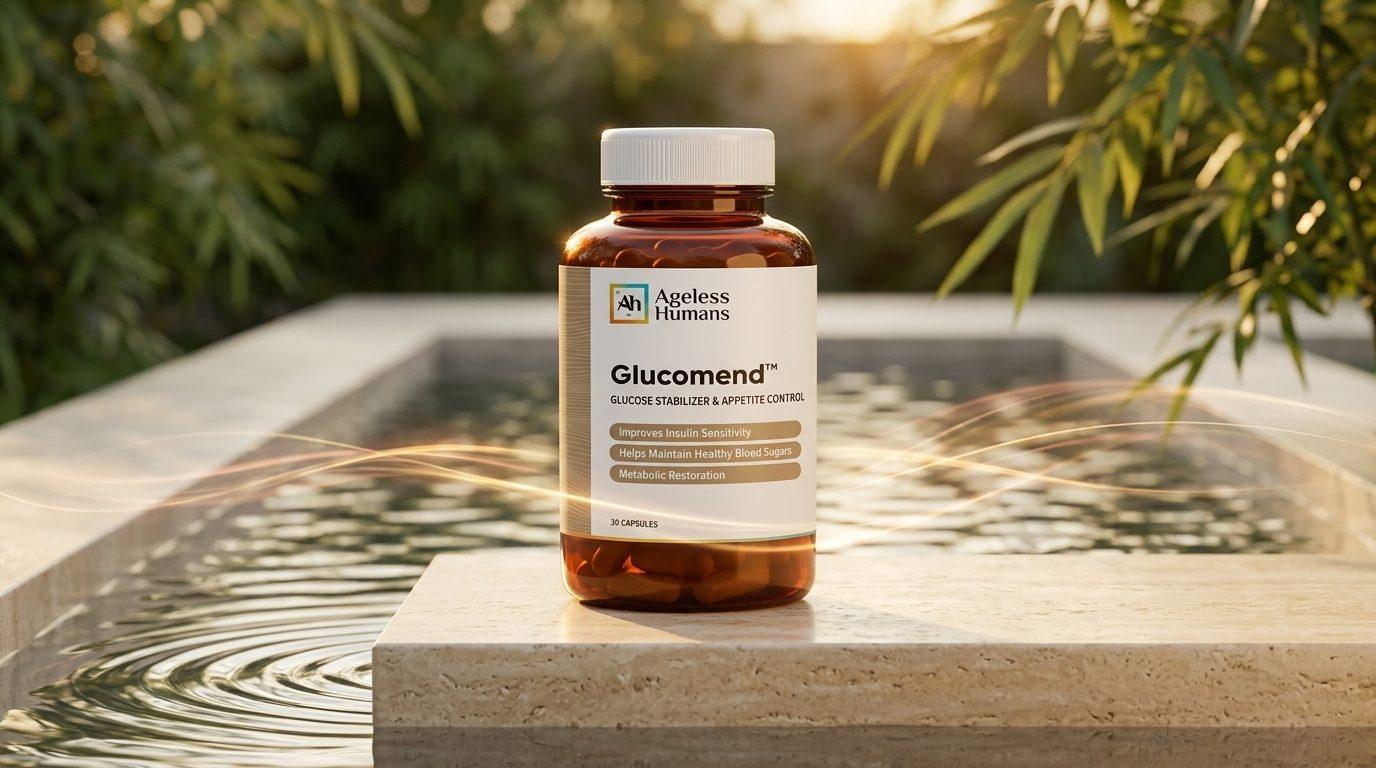
At Ageless Humans, every product is made in our FDA-registered facility in Carlsbad, California. Every lot is third-party lab tested, with a COA available. Each product is backed by a 60-day money-back guarantee, so you can judge for yourself how a product fits your routine.
Frequently asked questions
Is berberine better than cinnamon for blood sugar support?+
Berberine has stronger and more consistent human research for supporting healthy glucose metabolism than cinnamon. Cinnamon's results are mixed and generally modest. However, berberine also carries more side effects and drug interactions, so talk to your clinician before starting it.
What is the difference between Ceylon and cassia cinnamon?+
Ceylon cinnamon (Cinnamomum verum) has thin, layered bark, a milder flavor, and only trace amounts of coumarin. Cassia cinnamon, the common supermarket type, has thick, hard bark and much higher coumarin levels. Coumarin can stress the liver in large amounts, so Ceylon is the better choice for regular daily use.
Can I take berberine and cinnamon together?+
Many people use cinnamon in food while taking berberine, and culinary cinnamon is generally considered low-risk. Combining a berberine supplement with a concentrated cinnamon supplement is less studied, and both are researched for glucose effects. Check with your clinician, especially if you take any glucose-lowering medication.
Who should not take berberine?+
Pregnant or breastfeeding people and children should avoid berberine. Anyone taking prescription medications, especially glucose-lowering drugs, blood thinners, or immunosuppressants, should consult a clinician first. Berberine affects liver enzymes that process many drugs and can change how those drugs work.
How much cinnamon is safe to eat each day?+
Culinary amounts of cinnamon, such as a sprinkle on oatmeal or in coffee, are fine for most people. The concern is regular large amounts of cassia cinnamon because of its coumarin content. Choosing Ceylon cinnamon largely avoids that issue.
Does berberine work right away?+
Most human studies on berberine ran for several weeks to a few months, so researchers evaluate it over time rather than as a quick fix. It works best alongside balanced meals, regular movement, and good sleep. Follow the label directions and track how it fits your routine with your clinician.