
Berberine has the strongest human research for supporting healthy glucose metabolism. Alpha-lipoic acid (ALA) comes second, chromium's results are mixed, and cinnamon's evidence is the least consistent. None of them outperform the basics: a walk after meals, eating protein and fiber first, enough sleep, and regular strength training. Supplements work best as support for those habits, not a substitute.
The Quick Ranking: Which Glucose Support Supplement Has the Best Evidence?
Here is the ranking by strength of human research, strongest first. This list ranks evidence quality, not marketing volume.
1. Berberine (and berberine-class compounds). It has the deepest body of human trials on glucose and lipid metabolism. Its effects are fairly consistent. It also carries the most interaction cautions. 2. Alpha-lipoic acid (ALA). Research consistently supports its role as an antioxidant and in cellular energy metabolism. Studies on glucose markers point in a positive direction but are smaller and more varied. 3. Chromium. Chromium is an essential trace mineral involved in insulin signaling. Trial results are mixed. Benefits appear more likely in people whose intake is low. 4. Cinnamon. Some trials suggest modest support for healthy post-meal glucose. Others show nothing. Results depend heavily on the type of cinnamon and how it was prepared.
One caveat applies to the whole list. A higher ranking means the research is more consistent. It does not mean you will notice a bigger effect. Your diet, sleep, activity, and genetics shape your response far more than which capsule you pick. For the full science on each ingredient, see our deep dive on supplements for glucose metabolism.
Lifestyle First: The Habits That Matter More Than Any Supplement
The biggest levers for healthy blood sugar are free. Research on daily habits is broader and more consistent than research on any single supplement. Start here.
- Walk after meals. Working muscles pull glucose from the blood without needing much insulin. Even a short, easy walk after your largest meal helps.
- Eat in order: fiber and protein first, starches last. The order of foods within a meal has been studied for its effect on the post-meal glucose curve.
- Lift something. Muscle is your largest glucose sink. Strength training two or three times a week builds more capacity to store glucose.
- Protect your sleep. Even short-term sleep loss has been linked in research to reduced insulin sensitivity the next day.
- Manage stress. Cortisol raises blood glucose. Chronic stress keeps that signal switched on.
If you are only going to change one thing this week, make it the post-meal walk. Then layer on a supplement and see what it adds. Our metabolic health guide covers each of these habits in detail.
Berberine: The Strongest Evidence, With the Most Caveats
Berberine is the most-studied glucose support supplement, and it earns the top spot. It comes from plants such as goldenseal, barberry, and Chinese goldthread. It has been researched for its effect on AMPK, an enzyme that works as the cell's energy sensor. Activating AMPK encourages cells to take up and burn glucose.
Human trials have looked at berberine's support for fasting glucose, post-meal glucose, and healthy lipid levels. The results are reasonably consistent across studies. That consistency is rare among botanicals. Most trials are short, though, and many come from a limited number of research groups. That is an honest limitation.
What to know before choosing it:
- Digestive upset is common, especially at first. Taking it with meals, as most labels direct, tends to help.
- It interacts with medications. Berberine affects liver enzymes that process many drugs. It can also add to the effect of glucose-lowering prescriptions. Talk to your clinician first if you take any medication.
- It is not for pregnancy or breastfeeding.
- Absorption is low, which is why some brands use enhanced forms such as dihydroberberine. These forms are often called berberine-class compounds. They are researched for better bioavailability, but they have fewer human trials than standard berberine.
Best fit: healthy adults who want the most evidence-backed option, aren't on interacting medications, and will follow the label.
Alpha-Lipoic Acid: A Solid Second With a Broader Role
ALA ranks second because its mechanism is well understood and its glucose research is encouraging but less consistent. Your body makes small amounts of ALA. Mitochondria use it to turn food into energy, and it works as an antioxidant in both water and fat.
Research suggests ALA may support glucose uptake into cells and help defend against oxidative stress, which tends to rise when glucose is elevated. It has also been studied for nerve comfort and healthy circulation. That broader profile is one reason people choose it.
Trade-offs:
- Trials vary in form (R-ALA vs. the standard mix), study design, and duration. That variation makes the results harder to pin down.
- Like berberine, it may add to glucose-lowering medications. Check with your clinician if you take them.
- Some people notice mild stomach upset. Labels often suggest taking it on an empty stomach for absorption, so follow your product's directions.
Best fit: people who want antioxidant and energy-metabolism support along with glucose support, or who don't tolerate berberine.
Chromium: Essential Mineral, Mixed Results
Chromium is a legitimate nutrient with a real role in insulin signaling, but supplement trials are split. It appears to help insulin bind to its receptors. That is why it shows up in almost every glucose formula.
The honest picture: some trials report modest support for healthy glucose metabolism, and others find no meaningful difference. A reasonable reading is that chromium helps most when dietary intake is low. Diets heavy in refined carbohydrates can increase chromium loss. If you already get enough chromium, adding more may do little.
What it has going for it: at label amounts, chromium is generally well tolerated, inexpensive, and easy to combine with other ingredients. Chromium picolinate is the form most often used in research.
Best fit: a supporting ingredient inside a broader formula rather than a stand-alone answer. It is reasonable to include, but don't expect it to carry the load.
Cinnamon: Popular, Pleasant, and the Least Consistent
Cinnamon has the weakest and most variable evidence of the four. Some studies suggest it may support healthy post-meal glucose and insulin sensitivity. Others show no effect. The differences likely come from the type of cinnamon, the extract method, and the people studied.
The type matters for safety, too:
- Cassia cinnamon, the common grocery-store kind, contains coumarin. Large regular intake of coumarin raises liver concerns.
- Ceylon cinnamon contains much less coumarin, so it is the better choice if you use cinnamon often.
- Water-soluble extracts remove most coumarin and are what many studies use.
Best fit: a gentle add-on, or a reason to sprinkle Ceylon cinnamon on your oatmeal. Don't build your glucose plan around it.
How to Choose: A Simple Decision Framework
Match the supplement to your situation, then judge it by data, not feel. Use this framework:
- Want the most evidence and take no medications? Start with berberine or a berberine-class formula.
- Want broader antioxidant and energy support, or berberine upsets your stomach? Choose ALA.
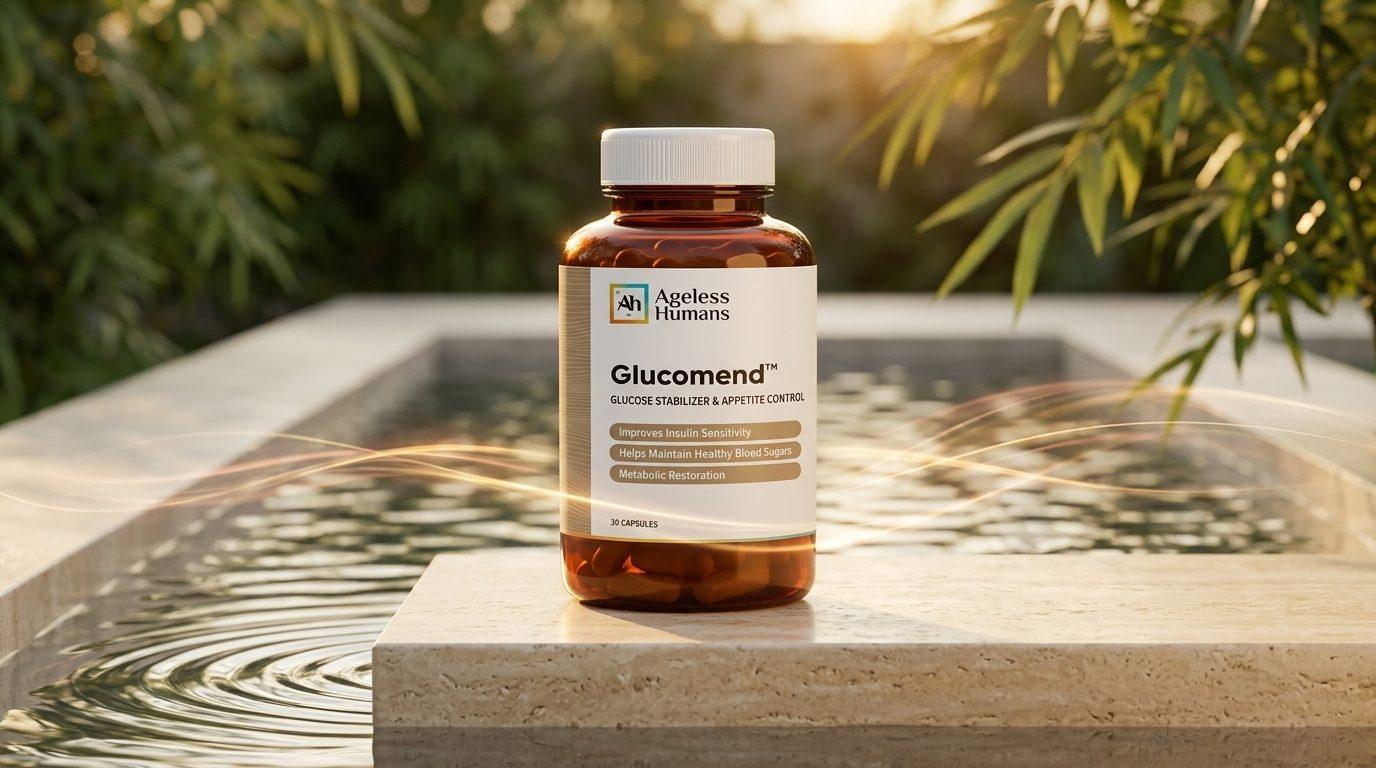
- Prefer a combination formula? Look for berberine or ALA as the anchor, with chromium and cinnamon as supporting players. A formula like GlucoMend Glucose Stabilizer is built for this layered approach. Read any label to see exactly which ingredients and amounts it uses.
- Taking prescription medication of any kind? Talk to your clinician before starting any of these.
How to tell if it is working: pick one marker before you start, such as a fasting glucose reading, a continuous glucose monitor trend, or lab work from your doctor. Change one variable at a time. Give it several weeks. If nothing moves after you have also fixed your walking, sleep, and meal order, the supplement is not your bottleneck.
Quality checks that matter: third-party testing with a certificate of analysis (COA) for every lot, clear ingredient amounts instead of proprietary blends, and a manufacturer you can verify. Every Ageless Humans product is made in our FDA-registered facility in Carlsbad, California. Each lot is third-party lab tested with a COA, and every product carries a 60-day money-back guarantee.
The Overlooked Angles: Sleep and Body Composition
Glucose control doesn't happen only at mealtime. It is shaped overnight and by how much muscle and fat you carry. These two levers explain why some people do everything right at meals and still see stubborn numbers.
Sleep is when hormones reset. Poor or short sleep is linked in research to higher next-day glucose and stronger cravings. If your fasting readings run higher than you'd expect, look at your evenings first: late heavy meals, alcohol, screens, and irregular bedtimes. Some people add nighttime metabolic support, such as Overnight Metabolic Recovery and Support, as part of a consistent wind-down routine.
Body composition matters too. More muscle means more room to store glucose. Excess visceral fat is associated with lower insulin sensitivity. Strength training and adequate protein are the foundation. Some people pair them with metabolism-focused support like Adipoze to support healthy fat metabolism alongside diet and exercise.
The pattern is the same throughout this guide. Habits do the heavy lifting, and supplements fill the gaps.
Frequently asked questions
What is the most effective supplement for glucose support?+
Berberine has the strongest and most consistent human research for supporting healthy glucose metabolism, followed by alpha-lipoic acid. Chromium and cinnamon have more mixed results. Habits like walking after meals, strength training, and good sleep matter more than any single supplement.
Is berberine safe to take every day?+
Many healthy adults take berberine daily according to label directions, but it commonly causes digestive upset at first. It also interacts with many medications because it affects liver enzymes that process drugs. It is not recommended during pregnancy or breastfeeding. Talk to your clinician before using it if you take any prescription medication.
Does cinnamon really help support healthy blood sugar?+
Research on cinnamon is inconsistent. Some studies suggest modest support for post-meal glucose, and others show no effect. If you use cinnamon regularly, choose Ceylon cinnamon or a water-soluble extract, because common cassia cinnamon contains coumarin, which can be a liver concern in large amounts.
Can I take berberine and alpha-lipoic acid together?+
Berberine and ALA work through different mechanisms, and some formulas combine them. Both may add to the effect of glucose-lowering medications, so anyone taking prescriptions should check with a clinician first. Follow each product's label directions and avoid doubling up on ingredients found in more than one product.
How long does it take for a glucose support supplement to work?+
Most research tracks glucose markers over several weeks to a few months, so expect a gradual change rather than an immediate one. Pick one marker to track before you start, such as fasting glucose or continuous glucose monitor trends, and change only one variable at a time so you can tell what is actually helping.
Is chromium worth taking for glucose metabolism?+
Chromium is an essential mineral involved in insulin signaling, but supplement trials show mixed results. It appears most likely to help when dietary intake is low. It is generally well tolerated at label amounts, which makes it a reasonable supporting ingredient in a broader formula rather than a stand-alone solution.