
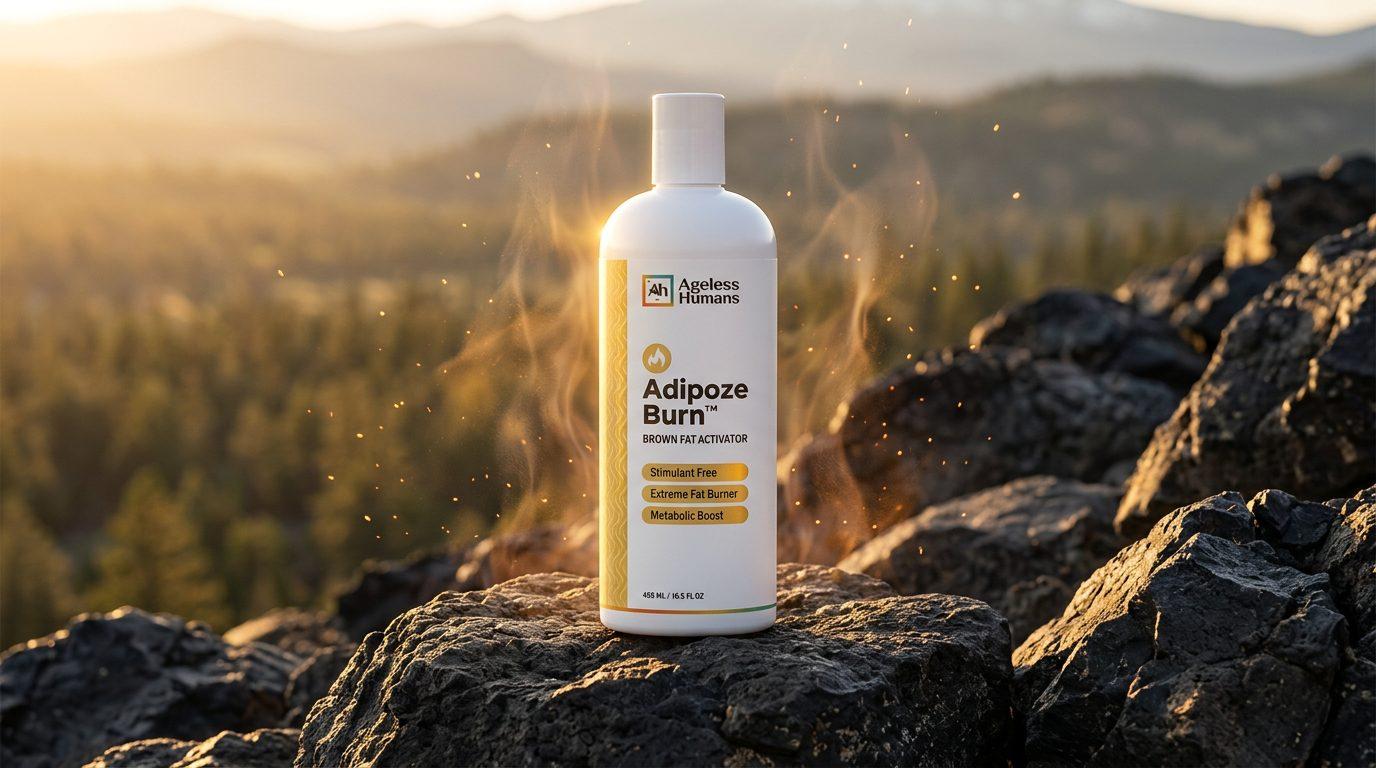
Fat burners can work, but only modestly and only alongside the basics. Ingredients like caffeine, green tea catechins, and capsaicin have been studied for small effects on energy expenditure, fat metabolism, and appetite, but no capsule replaces a sustained calorie balance, protein, movement, and sleep. Treat a well-made fat burner as a supporting tool, not the engine, and avoid any product that promises dramatic results.
The Short Answer: Small Support, Not a Shortcut
A fat burner can nudge your metabolism at the margins. It cannot do the work for you. The best-studied ingredients show effects that are real but small. They are measurable in a lab and easy to miss in the mirror if your daily habits aren't already supporting your goal.
That isn't a reason to dismiss the category. It's a reason to set the right expectations. People who get value from a fat burner usually already have their foundations in place: a sensible eating pattern, regular movement, and decent sleep. For them, a little extra energy, a slight edge in fat metabolism, or easier appetite management can help keep momentum going.
People who get burned, figuratively and sometimes literally, are the ones buying a promise. If a label suggests you can skip the fundamentals, the problem is the claim, not your willpower.
What a "Fat Burner" Actually Does
"Fat burner" is a marketing term, not a scientific one. It covers supplements built to support one or more of four things:
- Thermogenesis: your body's heat production, a small part of your daily energy expenditure. Some compounds have been studied for slightly raising it.
- Fat oxidation: how readily your body uses stored fat for fuel, especially during activity.
- Appetite and satiety: how full you feel and how easy it is to stay consistent with your eating plan.
- Energy and focus: feeling alert enough to train, walk, and stay active through the day.
Most products combine ingredients aimed at several of these at once. That makes sense in theory, but it also means you should know exactly what's inside and how much. A product's effect depends on its specific ingredients and amounts, not the name on the front.
For the bigger picture of how energy expenditure, blood sugar, and body composition connect, see our metabolic health guide.
What the Research Shows on Common Ingredients
The evidence is strongest for stimulant-based and plant-compound ingredients, and even there the effects are modest and vary from person to person. Here's an honest snapshot of the most common ones:
- Caffeine: The most consistently studied. Research suggests it can modestly raise energy expenditure and support fat oxidation, particularly around exercise. It also supports alertness, which can help you move more. The catch: regular users build tolerance, so the effect tends to fade.
- Green tea catechins (EGCG): Studied for supporting thermogenesis and fat metabolism, often alongside caffeine. Results across studies are mixed. Some show small benefits, others show little difference, and habitual caffeine intake appears to influence outcomes.
- Capsaicin and capsinoids (from chili peppers): Studied for small increases in energy expenditure and for their potential role in satiety. Effects in research are generally modest.
- L-carnitine: Involved in moving fatty acids into cells for energy. Research on supplementation for body composition is mixed, and results seem to depend on the population studied.
- Fiber-based ingredients (like glucomannan): Studied mainly for supporting fullness rather than thermogenesis. Usually taken with plenty of water.
- Garcinia cambogia and similar "trend" ingredients: Heavily marketed, with research that is generally inconsistent and underwhelming.
What research does not show: no ingredient here has strong evidence for large, lasting changes in body composition on its own. Most studies are short, many are small, and results in controlled settings don't always carry over to real life. Anyone who tells you otherwise is selling, not informing.
Why the Effects Are Smaller Than People Expect
Thermogenesis is a small slice of your total daily energy use, so nudging it produces small results. Most of the calories you burn come from your resting metabolism and your daily activity. A supplement that slightly raises heat production is working on a minor lever.
Several other factors shrink the real-world effect:
- Tolerance: Stimulant effects often fade with daily use as your body adapts.
- Compensation: Feeling energized can lead to eating more or to resting more later in the day, which quietly cancels out gains.
- Water weight and expectations: Early scale changes are often water, not fat. When the trend flattens, people assume the product "stopped working."
- Sleep disruption: Stimulants taken too late can cut into sleep, and poor sleep is linked in research to increased appetite and lower motivation to move.
The practical takeaway: judge a fat burner over weeks, not days, and judge it by how it supports your habits, such as better workouts, steadier energy, and easier consistency, rather than by the scale alone.
Red Flags: How to Spot a Fat Burner to Avoid
If a product promises fast, effortless, or specific results, walk away. The supplement aisle has a long history of overhyped and sometimes unsafe products. Watch for these warning signs:
- Specific promises: "Lose 20 pounds in 30 days" or "melts fat while you sleep." Legitimate supplements make structure/function claims, not guaranteed outcomes.
- Proprietary blends that hide amounts: If you can't see how much of each ingredient you're getting, you can't judge effectiveness or how much stimulant you're taking.
- Stacked stimulants: Caffeine plus several other stimulant compounds can add up to far more than you realize, especially if you also drink coffee or pre-workout.
- Banned or questionable ingredients: Ephedra was removed from the U.S. supplement market by the FDA, and other stimulant compounds have drawn regulatory warnings. Unfamiliar "research chemical" names are a bad sign.
- No third-party testing: Without independent lab verification, you're trusting the label alone.
- Vague manufacturing details: Reputable brands tell you where and how products are made.
- Fake urgency and before/after photos: Countdown timers and dramatic transformations are marketing tactics, not evidence.
If you feel a racing heart, jitteriness, anxiety, or trouble sleeping after taking any fat burner, stop and talk to your healthcare provider.
How to Use a Fat Burner Realistically
Get the foundations right first, then use a fat burner to support them, following the label exactly. Here's the order that actually works:
1. Set your baseline habits. A moderate, sustainable eating pattern with enough protein, daily walking or steps, and strength training a few times a week. Strength training supports lean muscle, which matters for metabolic health as you age. 2. Protect your sleep. Take stimulant-containing products early in the day so they don't cut into your night. 3. Audit your total caffeine. Add up coffee, tea, energy drinks, and pre-workout before adding a fat burner. 4. Follow label directions. More isn't better. Taking extra raises side-effect risk without adding meaningful benefit. 5. Track more than weight. Note energy, workout quality, appetite, waist measurement, and how your clothes fit over several weeks. 6. Reassess honestly. If you aren't noticing support for energy or consistency after a fair trial, the product may not be right for you.
Used this way, a fat burner becomes one tool in a plan you can sustain, not a crutch you depend on.
Who Should Skip Fat Burners or Ask First
Anyone sensitive to stimulants, pregnant or nursing, under 18, or taking medication should talk to a healthcare provider before using a fat burner. That's especially true if you have a heart condition, high blood pressure, anxiety, or sleep problems, because stimulant ingredients can affect heart rate, blood pressure, and sleep.
It's also worth a conversation if you take medications that interact with caffeine or other stimulants. Your pharmacist can be a quick, useful resource here.
And if your goal is significant weight change, a fat burner is the wrong starting point. A healthcare provider can help you understand what's driving your results and build a plan that fits you.
How to Choose a Fat Burner You Can Trust
Choose a brand that is transparent about ingredients, testing, and manufacturing, and that stands behind its product. Quality varies widely in this category, so verification matters more than marketing.
Use this checklist:
- Full label disclosure with clear ingredient amounts
- Third-party lab testing with a Certificate of Analysis (COA) you can request or view
- Known manufacturing location in a registered facility
- Honest claims that use "supports" and "helps maintain," not "guarantees" or "melts"
- A real refund policy so you can evaluate it without much risk
At Ageless Humans, every product is made in our own FDA-registered facility in Carlsbad, California. Every lot is third-party lab tested with a COA, and every purchase comes with a 60-day money-back guarantee. That's the standard we think the category should meet, and it's the standard behind Adipoze, our formula designed to support healthy metabolism and energy as part of an active lifestyle.
Frequently asked questions
Do fat burners actually work?+
Fat burners can provide modest support for energy expenditure, fat metabolism, energy, and appetite, but the effects are small. Research on ingredients like caffeine, green tea catechins, and capsaicin suggests real but limited benefits. They work best as a supplement to consistent eating, movement, and sleep habits, not as a replacement for them.
What is thermogenesis in fat burners?+
Thermogenesis is your body's production of heat, which uses energy. Some fat burner ingredients, especially caffeine, green tea catechins, and capsaicin, have been studied for slightly increasing thermogenesis. Because thermogenesis is a small part of total daily energy use, the overall effect is modest.
How long does it take for a fat burner to work?+
Judge a fat burner over several weeks, not a few days. Early scale changes are often water, and stimulant effects can fade as tolerance builds. Track energy, workout quality, appetite, and measurements alongside your weight to get an honest read on whether it is supporting your goals.
Are fat burners safe?+
Fat burners from transparent, third-party tested brands taken as directed are generally well tolerated by healthy adults, but stimulant ingredients can cause jitteriness, a faster heart rate, or poor sleep. People who are sensitive to stimulants, pregnant or nursing, under 18, taking medications, or managing heart, blood pressure, or anxiety concerns should talk to a healthcare provider first. Avoid products with hidden proprietary blends or unfamiliar stimulant compounds.
Can I take a fat burner with coffee?+
Many fat burners contain caffeine, so combining them with coffee, energy drinks, or pre-workout can add up to more caffeine than you intend. Check the label for caffeine content and count your total daily intake. If you feel jittery or your sleep suffers, cut back on other caffeine sources or talk to your healthcare provider.
What should I look for in a fat burner?+
Look for full ingredient disclosure with clear amounts, third-party lab testing with a Certificate of Analysis, a known manufacturing facility, and honest structure/function claims. Avoid products that promise specific pounds lost, hide ingredients in proprietary blends, or stack multiple stimulants. A money-back guarantee is also a good sign that a brand stands behind its product.