
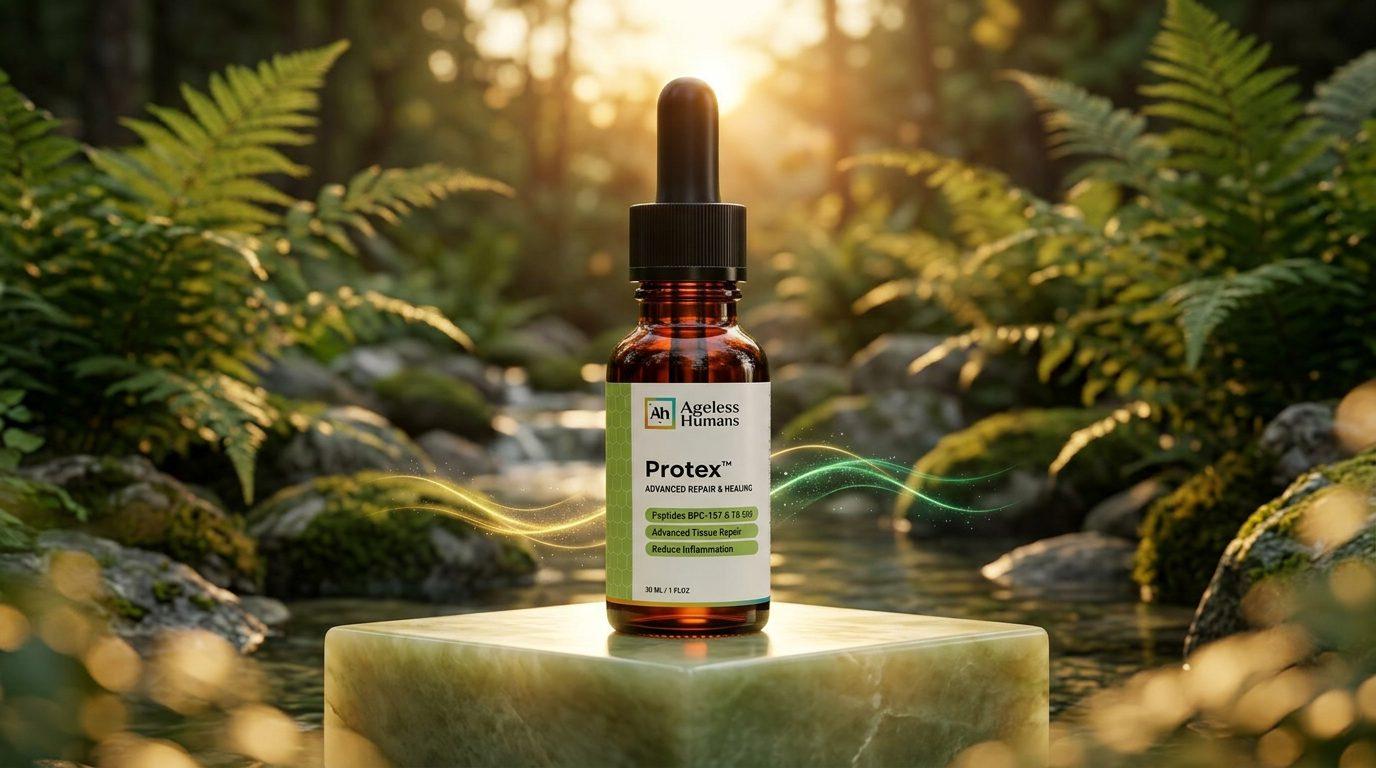
A cellular repair protocol is a structured supplement routine that supports three maintenance systems your cells rely on: repair (energy and DNA upkeep), clear (recycling worn-out components through autophagy), and defend (managing oxidative stress). Instead of taking one ingredient and hoping it covers everything, a protocol layers complementary nutrients so each system gets support at the same time.
What a Cellular Repair Protocol Actually Is
A cellular repair protocol is a coordinated routine, not a single pill. It groups ingredients by the job they do inside the cell, then combines them so the jobs support each other. The most useful way to organize those jobs is three layers: repair, clear, and defend.
Every cell runs constant maintenance. It fixes damaged DNA, rebuilds proteins, recycles broken parts, and neutralizes reactive molecules made during normal energy production. Research suggests these maintenance systems become less efficient with age. A protocol is designed to support all three at once rather than leaving gaps.
Think of it like caring for a house. Repair is fixing what breaks. Clearing is taking out the trash. Defending is keeping the weather out. Doing only one of the three still leaves the house in rough shape. If you want the bigger picture of how supplements fit into healthy aging, start with our complete guide to longevity supplements.
Layer 1: Repair (Energy and DNA Maintenance)
The repair layer supports the energy and molecular machinery cells use to fix themselves. Repair takes fuel, and much of that fuel depends on NAD+, a coenzyme involved in cellular energy production and in the activity of enzymes tied to DNA maintenance, including the sirtuin family.
Research suggests NAD+ levels tend to decline with age, which is why NAD+ precursors such as NMN and NR have been widely studied. Mitochondria, the structures that produce most of your cellular energy, are also a focus of this layer. Nutrients like CoQ10 and PQQ have been studied for their roles in supporting mitochondrial function.
What research shows: these compounds have clear, well-understood roles in cell biology, and human studies have explored their effects on NAD+ levels and energy markers. What it does not show: that any precursor alone produces dramatic, visible changes. Repair is the foundation, but repair alone does not deal with the damaged material that piles up between fixes. That is the clearing layer's job.
Layer 2: Clear (Autophagy and Cellular Recycling)
The clear layer supports autophagy, the process cells use to break down and recycle worn-out components. The word means self-eating, and it is one of the most important housekeeping functions in the body. Damaged proteins and aging mitochondria get broken down and their parts reused. The mitochondria-specific version is called mitophagy.
Several compounds have been studied for their relationship to autophagy and cellular renewal:
- Spermidine, a polyamine found in foods like wheat germ and aged cheese, studied for its role in autophagy pathways.
- Urolithin A, a compound formed from pomegranate and berry polyphenols, studied for its role in mitophagy.
- Fisetin and quercetin, plant flavonoids being researched for their interaction with senescent cells, which are cells that have stopped dividing but linger in tissue.
The research here is active and promising, but much of it is still early, and many findings come from cell and animal models. Clearing matters because a cell that repairs itself but never removes debris is working against a growing backlog. For a deeper look at this layer, read our autophagy supplements guide.
Layer 3: Defend (Managing Oxidative Stress)
The defend layer helps cells manage oxidative stress, the wear caused by reactive molecules produced during everyday metabolism. Your cells make these molecules as a normal byproduct of turning food into energy. In balance, they are useful signals. In excess, they can stress proteins, membranes, and DNA.
The body has its own antioxidant network, anchored by glutathione, often called the master antioxidant. Defend-layer ingredients typically fall into two groups: those that support the body's own antioxidant production, such as NAC (a glutathione precursor), and those that act as antioxidants directly, such as vitamin C, vitamin E, resveratrol, and astaxanthin. Sulforaphane, from broccoli sprouts, is studied for its role in activating the Nrf2 pathway, which helps regulate the body's internal antioxidant defenses.
Defense protects the work the other two layers do. Without it, repair is constantly playing catch-up with fresh damage. One honest caveat: more antioxidants is not automatically better. Some oxidative signaling is part of how the body adapts to exercise, which is why balanced formulation matters more than megadoses.
Why Layering Beats a Single Ingredient (and Where the Evidence Stops)
Layering works on a simple principle: the three systems depend on each other, so supporting all three makes sense. Repair needs energy. Clearing needs functioning mitochondria to direct it. Defense keeps new damage from overwhelming both. Supporting one system while ignoring the others leaves the weakest link in place.
This is also why single-ingredient hype tends to disappoint. A popular compound may support one pathway well, but no single molecule covers repair, clearing, and defense at once. A protocol is a way of covering your bases intentionally rather than stacking random bottles.
Here is the honest part. Most research studies ingredients one at a time. There is limited published research on specific multi-ingredient combinations, so the case for layering rests on well-established biology about how these systems interact, not on head-to-head trials of full protocols. Anyone promising guaranteed, measurable results from a protocol is overstating the evidence. What a well-built protocol offers is comprehensive, biologically logical support for systems research shows matter.
How to Evaluate a Cellular Repair Protocol
A good protocol is defined by transparent formulation, verified quality, and a structure you can actually follow. Use this checklist before buying any multi-product system:
1. Does it cover all three layers? Look for clear repair, clear, and defend components. If everything is an antioxidant, it is a defense product, not a protocol. 2. Are ingredients fully disclosed? Proprietary blends that hide amounts make it impossible to know what you are getting. 3. Is every lot third-party tested? Ask for a Certificate of Analysis (COA). It verifies identity, potency, and purity from an independent lab. 4. Where is it made? Manufacturing location and facility registration tell you who is accountable for quality. 5. Are the directions simple? A protocol only works if you take it consistently. Follow label directions exactly and do not improvise extra servings. 6. Is there a guarantee? Confident brands stand behind their products.
At Ageless Humans, every product is made in our FDA-registered facility in Carlsbad, California, every lot is third-party lab tested with a COA, and every order is backed by a 60-day money-back guarantee. Talk to your healthcare provider before starting any new supplement routine, especially if you take medications or are pregnant or nursing.
The Foundation No Protocol Replaces
Supplements support cellular maintenance; daily habits drive it. A cellular repair protocol works best layered on top of the behaviors research consistently connects with healthy aging.
- Sleep: much of the body's repair and clearing activity is tied to quality sleep.
- Movement: exercise is studied for its role in supporting mitochondrial health and autophagy.
- Eating windows: time-restricted eating is being researched for its relationship to autophagy signaling.
- Whole foods: colorful plants supply many of the same polyphenols studied in the clear and defend layers.
- Stress management: chronic stress places ongoing demands on the body's defense systems.
The right mindset is simple: habits are the engine, and a protocol is targeted support for the systems those habits rely on. People who treat supplements as a replacement for sleep and movement usually end up disappointed. People who use them to round out a solid foundation get the most from them.
What to Realistically Expect
Expect gradual, cumulative support, not overnight transformation. Cellular maintenance is a long game. The systems a protocol targets operate continuously, so consistency over weeks and months matters far more than any single dose.
Some people report feeling more energetic or steady as part of a broader healthy routine, while others notice little day to day. Both are normal, because cellular processes are not something you directly feel. That is exactly why quality verification, transparent labels, and a money-back guarantee matter: they let you commit to consistency without taking a blind risk.
The bottom line: a cellular repair protocol is a smart, organized way to support the three systems your cells use to stay healthy, built on real biology and honest about the limits of current research.
Frequently asked questions
What is a cellular repair protocol?+
A cellular repair protocol is a structured supplement routine that supports three cellular maintenance systems: repair (energy and DNA upkeep), clear (autophagy and recycling of worn-out components), and defend (managing oxidative stress). It layers complementary ingredients so all three systems get support together, rather than relying on a single compound.
What is the difference between cellular repair and autophagy?+
Cellular repair refers to fixing damage, such as maintaining DNA and supporting the energy cells need to do that work. Autophagy is the clearing process, where cells break down and recycle damaged proteins and worn-out mitochondria. Both matter, and a complete protocol supports them together because each depends on the other.
Which supplements are studied for cellular repair?+
Commonly studied ingredients include NAD+ precursors like NMN and NR for cellular energy, CoQ10 and PQQ for mitochondrial function, spermidine and urolithin A for autophagy and mitophagy, fisetin and quercetin for research on senescent cells, and NAC, resveratrol, and sulforaphane for antioxidant defense. Much of this research is promising, but some is still early or based on cell and animal studies.
Is it better to take one longevity supplement or a full protocol?+
A full protocol is generally more comprehensive because no single ingredient supports repair, clearing, and defense at once. Most research studies ingredients individually, so the case for layering rests on how these systems depend on each other. A protocol helps you cover all three intentionally instead of stacking unrelated products.
How long does a cellular repair protocol take to work?+
Cellular repair protocols are designed for consistent, long-term use rather than quick results. The processes they support run continuously, and changes at the cellular level are not usually something you can feel directly. Take products daily according to label directions and evaluate over months, not days.
Is a cellular repair protocol safe?+
Quality and safety depend on transparent ingredients, third-party testing, and responsible manufacturing. Look for products with a Certificate of Analysis for every lot and follow label directions exactly. Consult your healthcare provider before starting, especially if you take medications or are pregnant or nursing.