
Methylene blue may support mental clarity because it helps mitochondria, the energy factories inside brain cells, move electrons and make ATP more efficiently. Your brain is one of the most energy-hungry organs in the body, so when cellular energy runs low, focus and recall often slip first. Research on methylene blue and cognition is promising but early, and it works best on top of solid sleep, nutrition, and stress basics.
What Brain Fog Actually Is (and Isn't)
Brain fog is not a diagnosis. It is a description of how your thinking feels: slow, scattered, and harder to start. People describe it as losing words mid-sentence, rereading the same paragraph three times, or walking into a room and forgetting why.
Because it is a feeling rather than a condition, brain fog has many possible contributors. These include short or broken sleep, dehydration, blood sugar swings, chronic stress, hormonal shifts, recent illness, alcohol, and some medications. Any of these can leave you feeling dull.
That matters for one reason. If your fog is persistent, worsening, or comes with other new symptoms, talk to a healthcare provider before reaching for any supplement. If your fog follows a familiar pattern, like the 2 p.m. slump, the long-week drag, or the feeling that your brain simply runs out of gas, cellular energy is a useful place to look.
Why Mental Fog Is Often an Energy Problem
Your brain runs on ATP, and nearly all of it is made by mitochondria. The brain is about 2% of your body weight but is commonly estimated to use around 20% of your resting energy. Neurons fire constantly, rebuild their chemical gradients after every signal, and have very little energy stored in reserve. They depend on a steady, real-time supply.
Inside each mitochondrion, the electron transport chain passes electrons from the food you eat through a series of protein complexes. That flow powers the production of ATP. When the chain runs smoothly, you get clean energy. When it gets backed up, two things happen:
- Less ATP is produced, so energy-demanding tasks like focus, working memory, and quick recall feel harder.
- More electrons leak out and form reactive oxygen species, which adds to oxidative stress inside the cell.
Mitochondrial efficiency naturally shifts with age, stress, and lifestyle. That is why a fog that feels like an empty tank, rather than a racing or anxious mind, often points back to how well your cells are making energy.
How Methylene Blue Supports Mitochondrial Function
Methylene blue acts as an alternative electron carrier, helping electrons keep moving through the mitochondrial energy chain. It is a redox-active compound, which means it can easily accept and donate electrons. It cycles back and forth between its blue form and a colorless form called leucomethylene blue.
In practice, research suggests methylene blue can:
- Accept electrons from NADH and pass them further down the chain toward cytochrome c, offering a path around spots where the flow may be sluggish.
- Support cytochrome c oxidase (Complex IV), the final enzyme in the chain and a key step in using oxygen to make ATP.
- Help reduce electron leakage, which supports the cell's normal defenses against oxidative stress.
One unusual detail is that methylene blue is studied for a hormetic, dose-dependent effect. Low amounts appear to behave differently from high amounts, and more is not better. This is one reason to stick with label directions rather than experimenting. For a broader look at what this compound is studied for beyond focus, see our guide to methylene blue benefits.
What the Research Does and Does Not Show
The research is encouraging but early. Methylene blue has strong mechanistic data and a small body of human cognition research. It has been used in medicine for over a century, so its chemistry and safety profile are well documented. Its role as a cognitive and mitochondrial support compound is newer territory.
What research suggests:
- Laboratory and animal studies consistently show methylene blue supports mitochondrial respiration and cellular energy output.
- Animal research has studied it for memory consolidation and retention.
- A limited number of small human studies, including brain-imaging research in healthy adults, have explored low-dose methylene blue for attention and short-term memory, with promising results.
What research does not show (yet):
- Large, long-term human trials focused on everyday brain fog.
- Clear evidence of who responds best, or how it compares with fixing sleep or nutrition.
- Long-term data on daily supplemental use in healthy people.
The honest takeaway is that methylene blue has a plausible, well-understood mechanism for supporting brain energy and a small set of positive human findings. Anyone promising guaranteed results is overselling it.
Fix the Foundations First
No supplement can outwork poor sleep, and the biggest clarity gains usually come from basics. Methylene blue supports the energy machinery, but that machinery still needs raw materials and recovery time.
Before or alongside any supplement, check these:
- Sleep: Consistent sleep and wake times matter as much as total hours. Your brain clears metabolic waste during deep sleep.
- Hydration: Even mild dehydration can make thinking feel effortful.
- Blood sugar: Meals built around protein, fiber, and healthy fats help avoid the spike-and-crash that fogs afternoons.
- Movement: Regular exercise supports mitochondrial health throughout the body, including in the brain.
- Light: Morning daylight helps anchor your circadian rhythm.
- Stress load: Chronic stress pulls resources away from focused thinking.
Think of methylene blue as a tune-up for an engine that is already getting fuel and maintenance, not as a replacement for either.
Pairing Methylene Blue With NAD+
NAD+ and methylene blue work at neighboring steps of the same energy process, which is why many people consider them together. NAD+ is a coenzyme that collects electrons from the breakdown of food and becomes NADH. NADH then delivers those electrons into the mitochondrial chain. NAD+ levels are known to decline with age.
Methylene blue, in turn, can accept electrons from NADH and help shuttle them forward. Put simply, NAD+ supports the supply of electrons and methylene blue supports their movement. Research on combining the two is limited, but the pairing makes sense based on how each compound works.
For people who prefer a fast, convenient format during the day, RockitFuel with Focus NAD+ nasal spray is designed to support cellular energy and focus as part of a broader routine.
How to Use Methylene Blue Thoughtfully
Quality and consistency matter more than anything else with methylene blue. It is sold in very different grades, and industrial or aquarium products are not made for human consumption and may contain contaminants such as heavy metals.
What to look for:
- Made for human use in a registered facility, with clearly stated amounts per serving.
- Third-party testing with a Certificate of Analysis (COA) for each lot.
- Clear label directions, followed exactly. Because of methylene blue's dose-dependent behavior, taking more than directed is not a shortcut to more clarity.
A few practical notes:
- Blue or green urine is normal and harmless. It is simply the compound being cleared from your body.
- Many people take it earlier in the day to line it up with their most demanding mental work.
- Track how you feel for a few weeks, focusing on focus, recall, and afternoon energy, rather than expecting a dramatic first-day jolt.
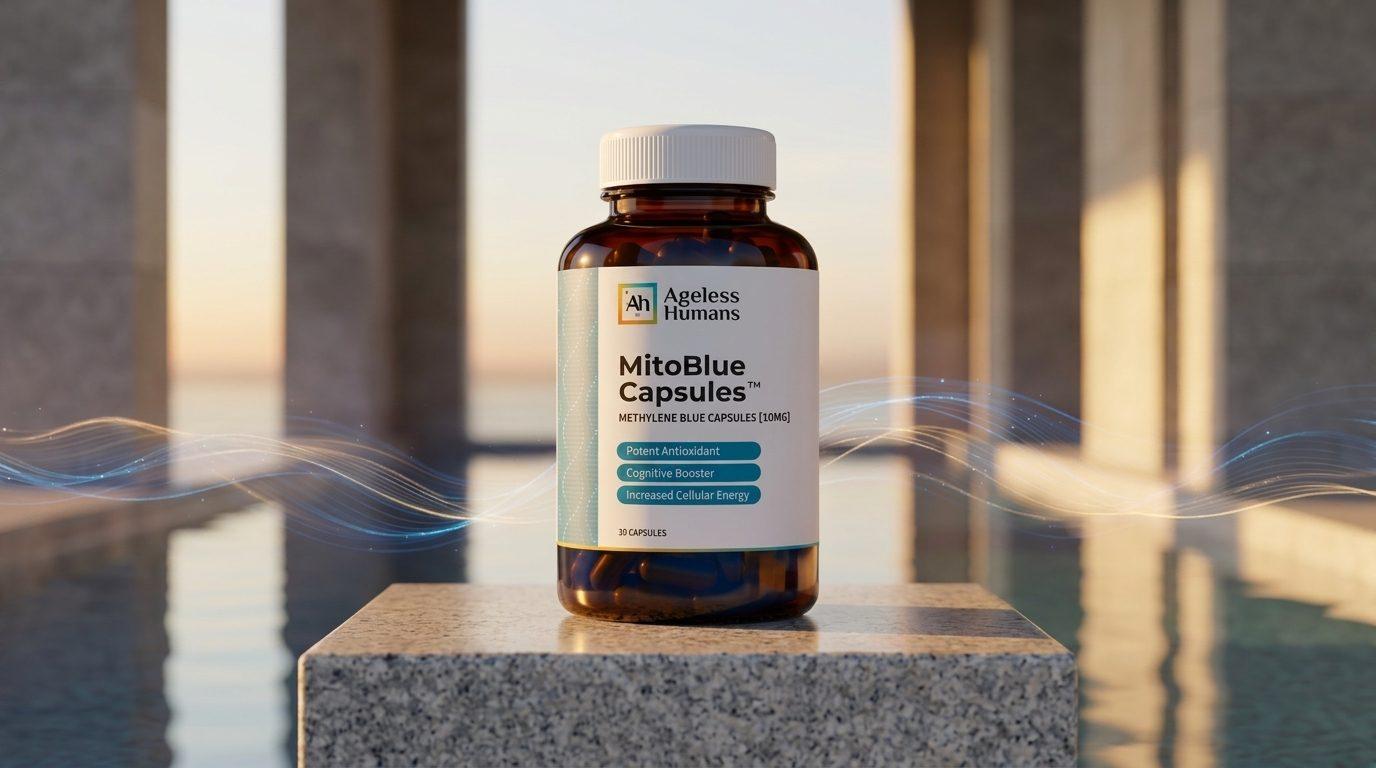
Our methylene blue capsules are made in our FDA-registered facility in Carlsbad, California, and every lot is third-party lab tested with a COA, so you know exactly what you are taking.
Who Should Talk to a Clinician First
Methylene blue is not right for everyone, and a few groups should get medical guidance before using it. It is a biologically active compound with known interactions.
Check with your healthcare provider first if you:
- Take serotonergic medications, including many antidepressants. Methylene blue can affect serotonin breakdown, and this interaction is well documented.
- Have G6PD deficiency, a genetic enzyme condition in which methylene blue may not be appropriate.
- Are pregnant, nursing, or planning pregnancy.
- Take any prescription medications or are managing an ongoing health condition.
- Are under 18.
This is not meant to scare you off. It is the same diligence you should apply to any supplement that actually does something in the body.
Frequently asked questions
Does methylene blue help with brain fog?+
Methylene blue may support mental clarity by helping mitochondria in brain cells produce energy more efficiently. Research suggests it acts as an alternative electron carrier in the mitochondrial energy chain, and small human studies have explored it for attention and short-term memory. Results vary by person, and it works best alongside good sleep, hydration, and nutrition.
How does methylene blue support mitochondria?+
Methylene blue is a redox-active compound, which means it can accept and donate electrons. Inside mitochondria, it can take electrons from NADH and pass them along toward cytochrome c, which helps keep the energy-producing chain moving. Research also suggests it supports cytochrome c oxidase and helps limit electron leakage that contributes to oxidative stress.
How long does it take for methylene blue to work for focus?+
Some people report noticing a difference in focus within days, while others notice gradual changes over a few weeks. Because research on everyday use is still early, there is no set timeline. Following label directions consistently and tracking your focus, recall, and afternoon energy is the most reliable way to judge whether it works for you.
Why does methylene blue turn urine blue?+
Methylene blue is a dye, and your body clears it partly through the kidneys, so urine may turn blue or green. This color change is expected and harmless. It typically fades once the compound has been processed.
Who should not take methylene blue?+
People taking serotonergic medications, including many antidepressants, should not use methylene blue without medical guidance because of a known interaction. It may also not be appropriate for people with G6PD deficiency, or for anyone who is pregnant or nursing. If you take any prescription medication, talk to your healthcare provider before using it.
Can you take methylene blue and NAD+ together?+
Many people pair them because they support neighboring steps of cellular energy production. NAD+ helps supply electrons to the mitochondrial chain, and methylene blue helps move them through it. Research on the combination is limited, so follow each product's label directions and check with your provider if you take medications.