
AICAR (acadesine) is a lab compound that activates AMPK, the enzyme cells use to sense low energy. Most research on it has been done in cells and rodents, where it was studied for endurance, glucose uptake, and fat metabolism. Human evidence is limited, it is not an approved supplement or drug for these uses, and it is banned in competitive sport.
What Is AICAR?
AICAR is a synthetic version of a molecule your cells already make in small amounts. The name stands for 5-aminoimidazole-4-carboxamide ribonucleoside. When studied as a pharmaceutical candidate, it was called acadesine.
AICAR is often listed alongside peptides, but chemically it is not one. Peptides are short chains of amino acids. AICAR is a nucleoside, a building block related to the molecules your body uses to make DNA and energy carriers like ATP. It ends up in peptide encyclopedias because it circulates in the same research-compound and biohacking conversations. If you want the basics on true peptides, start with our guide to what peptides are.
Inside your body, a closely related molecule (ZMP) is a normal step in building purines. AICAR's research interest comes from what happens when you flood cells with far more of it than they would normally produce. For a quick reference card, see our AICAR peptide overview.
How AICAR Works: Switching On the Cell's Fuel Gauge
AICAR works by tricking cells into reading 'low energy,' which activates an enzyme called AMPK. Once AICAR enters a cell, it gets converted into ZMP. ZMP looks enough like AMP, the molecule that builds up when a cell burns through its ATP, that it can switch on AMPK.
AMPK (AMP-activated protein kinase) acts as a master fuel gauge. When it turns on, it shifts the cell from 'build and store' to 'produce and conserve.' In general, AMPK activation:
- Promotes glucose uptake into muscle cells
- Increases fat burning for fuel (fatty acid oxidation)
- Signals mitochondrial adaptation, the same pathways exercise triggers
- Slows energy-expensive building processes, including some growth signaling through mTOR
- Supports cellular cleanup processes such as autophagy
That profile overlaps heavily with what happens during exercise, which is why AICAR earned the nickname 'exercise mimetic.' One important caveat: ZMP also acts on other AMP-sensitive enzymes. Researchers have documented effects that occur independently of AMPK, which complicates any simple story about how AICAR acts.
What Research Has Studied AICAR For
AICAR has been studied mainly as a research tool to switch on AMPK, and secondarily as a drug candidate. Key areas include:
1. Endurance and exercise-like adaptation. Widely cited rodent research reported that AICAR shifted muscle gene expression toward an endurance profile and improved running capacity in sedentary animals. This finding drove most of the public interest in AICAR.
2. Glucose and metabolic signaling. AICAR has been used for decades in cell and animal research to study how AMPK moves glucose into muscle independently of insulin. This work helped scientists map metabolic pathways. It does not establish AICAR as a metabolic product for people.
3. Fat metabolism. Animal studies have looked at AICAR's effects on fatty acid oxidation and fat storage in liver and muscle tissue.
4. Heart tissue during surgery. As acadesine, it was investigated in human clinical trials in the context of protecting heart tissue during cardiac surgery. Results were mixed, and it did not become a standard therapy.
5. Cell growth research. Acadesine has also been explored in early-stage oncology research because AMPK activation can slow growth signaling in some cell types. This work is preliminary.
What the Evidence Does and Doesn't Show
The honest summary: AICAR is a powerful research tool with limited, mixed human data for the benefits people talk about online. Here is where the evidence stands.
What research suggests:
- AICAR reliably activates AMPK in cells and animal tissues.
- In rodents, it has produced some exercise-like changes in muscle metabolism.
- It has been given to humans in controlled clinical settings, mostly intravenously, as acadesine.
What research does not show:
- No solid evidence it builds human endurance or physique. The famous endurance findings come from mice.
- Results in older animals are mixed. Some studies in aged rodents showed benefit; others showed little effect or downsides.
- It is not a replacement for exercise. Exercise triggers hundreds of signals beyond AMPK. AICAR mimics only a slice of them.
- Delivery is a real problem. AICAR has poor oral absorption and a short half-life, and research doses have been high.
When you see bold claims about AICAR melting fat or doubling stamina, they are extrapolating from animal models. That gap between mouse and human is the single most important thing to understand about this compound.
Why Longevity Researchers Care About AMPK
AMPK matters to aging research because its activity appears to decline with age, and many longevity strategies converge on it. Caloric restriction, fasting, and exercise all activate AMPK. So do several compounds studied in longevity science.
Research suggests healthy AMPK signaling supports mitochondrial function, cellular recycling through autophagy, and metabolic flexibility, all of which tend to slip as we get older. That makes AICAR useful to scientists who want to ask, 'What happens if we turn this pathway up?'
But being useful in the lab is different from being a good daily strategy. Constantly forcing AMPK on can suppress mTOR, the pathway that drives muscle protein building and repair. Aging well likely requires a rhythm: energy-sensing signals at some times, building signals at others. Exercise, meals, and sleep create that rhythm naturally. A blunt chemical switch does not.
This is also why the longevity field studies many signaling molecules beyond AMPK activators, from repair-focused peptides to short tissue-targeted chains called bioregulators. Learn more in our explainer on what bioregulators are.
Safety, Legal Status, and Sport
AICAR is not approved as a dietary supplement or as a drug for performance, weight, or longevity use, and the World Anti-Doping Agency prohibits it. It falls under WADA's hormone and metabolic modulators category, and testing methods exist to detect it.
Products sold online as AICAR are typically labeled 'for research use only.' That means no consumer-level quality standard, no verified dosing, and no assurance of purity or identity. Long-term safety in healthy people has not been established.
Researchers also flag theoretical concerns tied to its mechanism:
- Effects on blood sugar and lactate levels
- Effects on uric acid, given its role in purine metabolism
- Suppression of muscle-building signals with chronic use
- Off-target actions on other AMP-sensitive enzymes
If you are considering any research compound, talk with a qualified healthcare provider first, especially if you take medication or compete in tested sport.
How to Support the Same Systems Without AICAR
The most proven way to activate AMPK is still the one AICAR tries to imitate: training. Here is what supports your energy and recovery systems day to day:
- Zone 2 cardio and intervals both activate AMPK and drive mitochondrial adaptation.
- Resistance training balances energy sensing with the building signals that help maintain muscle as you age.
- Meal timing and sensible eating windows create natural energy-sensing periods.
- Sleep is when much of your repair and recovery work happens.
- Consistent recovery habits let you train hard again, which is where the adaptations actually come from.
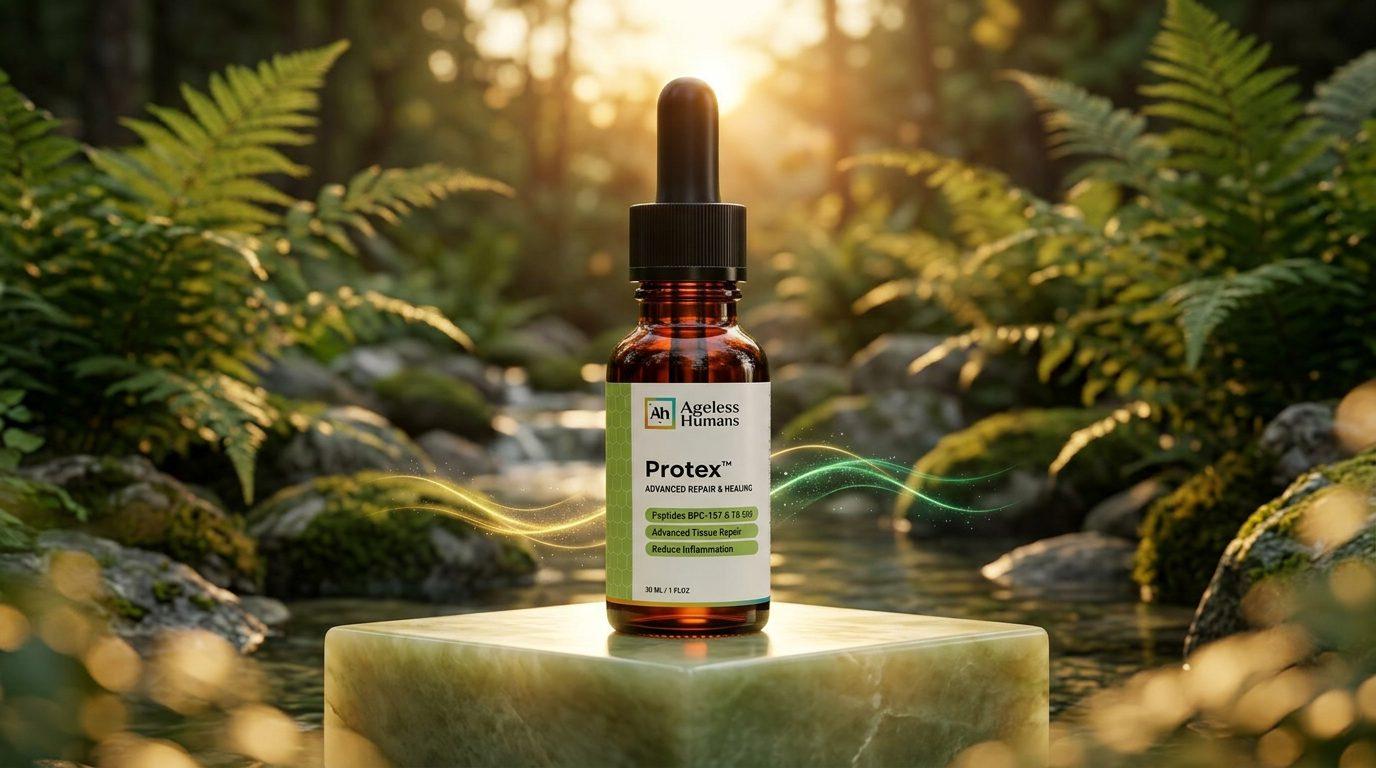
Supplements can play a supporting role here. Some people pair training with an oral peptide formula like Protex BPC-157 and TB-500 to support recovery, or follow a structured routine such as the Metamorphic Anti-Aging Protocol to cover multiple aging pathways at once. Neither is AICAR, and neither works the same way. They are designed to support the body's own processes, not to switch a single enzyme on artificially.
The Bottom Line on AICAR
AICAR is one of the most important research tools in metabolism science, and one of the most overhyped compounds in biohacking. It taught scientists a great deal about AMPK, the cell's energy sensor, and it helped establish the idea that some exercise signals can be triggered chemically.
What it has not done is prove itself as a safe, effective way for healthy people to build endurance, lose fat, or slow aging. The strongest data are from animals, human trials focused on narrow clinical settings, and the compound is banned in sport.
If your goal is better energy, recovery, and healthy aging, the pathways AICAR targets are real and worth caring about. The most reliable way to engage them is still movement, sleep, smart nutrition, and well-made, transparently tested support products.
Frequently asked questions
What is AICAR used for?+
AICAR is mainly used in laboratory research to activate AMPK, the enzyme that senses cellular energy. Scientists use it to study glucose uptake, fat metabolism, and exercise-like adaptations in cells and animals. Under the name acadesine, it was also investigated in human clinical trials related to heart tissue during surgery. It is not approved for performance, weight, or anti-aging use.
Is AICAR a peptide?+
No. AICAR is a nucleoside, a molecule related to the building blocks of DNA and ATP, not a chain of amino acids. It is often grouped with peptides because it circulates in the same research-compound and biohacking communities. Its action comes from mimicking AMP inside cells, not from peptide signaling.
Does AICAR really work like exercise?+
AICAR earned the 'exercise mimetic' label because rodent studies showed it could trigger some exercise-like changes in muscle metabolism and endurance. Those results have not been clearly reproduced as practical benefits in healthy humans. Exercise activates hundreds of signals beyond AMPK, so AICAR imitates only a small part of what training does.
Is AICAR legal or banned in sports?+
AICAR is prohibited by the World Anti-Doping Agency under its hormone and metabolic modulators category, and anti-doping tests can detect it. It is not an approved dietary supplement and is typically sold online as a 'research use only' chemical. Athletes in tested sports should avoid it entirely.
Is AICAR safe?+
Long-term safety of AICAR in healthy people has not been established. Researchers have noted possible effects on blood sugar, lactate, and uric acid, along with suppression of muscle-building signals. Research-grade products also lack consumer quality controls, so purity and dose are uncertain. Anyone considering it should speak with a qualified healthcare provider first.
Does Ageless Humans sell AICAR?+
No. Ageless Humans does not sell AICAR, and this article is for education only. Ageless Humans makes oral peptide and longevity products in its FDA-registered facility in Carlsbad, California, with third-party lab testing and a COA for every lot, plus a 60-day money-back guarantee.