
Cathelicidin LL-37 is the only cathelicidin peptide humans make. It is a 37-amino-acid molecule produced by immune cells and the cells lining your skin, gut and airways. Research has studied it for three main roles: disrupting microbes in lab settings, signaling to the immune system, and supporting tissue repair. Most of that evidence comes from cell and animal studies, so its benefits as an outside therapy in humans remain largely unproven.
What Is Cathelicidin LL-37?
LL-37 is a natural host-defense peptide your body already makes. It is part of the innate immune system, the fast, non-specific first line of defense that acts before antibodies do. The name describes the molecule: it is 37 amino acids long, and the first two are leucine (L-L).
LL-37 starts as a larger inactive precursor protein called hCAP18, made from a gene called CAMP. When the body needs it, enzymes cut hCAP18 to release active LL-37. In white blood cells called neutrophils, an enzyme called proteinase 3 does this cut. In skin, other enzymes cut it into shorter fragments, each with slightly different activity.
You'll find LL-37 in:
- Neutrophils and other immune cells
- Skin, especially the outer layer
- The linings of the airways, gut and urinary tract
- Body fluids like sweat, saliva and breast milk
Many animals make several cathelicidins. Humans make only one, which is why LL-37 gets so much research attention. For a primer on how peptides like this differ from full proteins, see our guide to what peptides are.
How LL-37 Works: Three Core Mechanisms
LL-37 works in three ways: it disrupts microbial membranes, sends signals to immune cells, and influences tissue repair. That range is why researchers call it a multifunctional peptide rather than just an antimicrobial.
1. Membrane disruption. LL-37 carries a positive charge and forms a spiral called an alpha-helix, with one water-loving side and one fat-loving side. Bacterial membranes carry a negative charge, so LL-37 is drawn to them. In lab studies it inserts into those membranes and makes them leak. Human cell membranes carry less negative charge, which gives LL-37 some selectivity, though not complete selectivity.
2. Immune signaling. LL-37 also acts as a messenger. Research shows it binds receptors on immune cells, including one called FPR2, which can draw immune cells to an area. It can also bind bacterial fragments such as lipopolysaccharide (LPS), and lab studies suggest this may soften the inflammatory response those fragments trigger. Depending on context, LL-37 can push immune activity up or calm it down.
3. Tissue repair signaling. In cell studies, LL-37 encourages skin cells to migrate and promotes new blood vessel formation, partly by activating growth-factor receptors such as EGFR. Both processes are part of normal wound closure.
What Research Has Studied LL-37 For
Research on LL-37 falls into five main areas: microbial defense, biofilms, wound repair, barrier tissues, and immune balance. Here is what each area has explored.
- Antimicrobial activity. Lab studies show LL-37 acts against a broad range of bacteria, fungi and some enveloped viruses. Because it attacks membranes rather than one specific target, researchers have studied it as a template for new antimicrobial drugs.
- Biofilms. Biofilms are protective microbial communities that resist many conventional approaches. Lab research suggests LL-37 may interfere with how biofilms form, which is a major reason for continued interest.
- Wound repair. Animal studies and a small number of early human studies have explored applying LL-37 to the skin to support wound closure. Researchers have also observed that LL-37 levels are lower in some slow-healing wounds, which raised questions about whether it plays a role in normal repair.
- Skin and gut barriers. LL-37 is part of how barrier tissues maintain their defenses. Research has looked at how its expression shifts in different skin and gut conditions.
- Immune balance. Studies examine how LL-37 helps coordinate the handoff from fast innate immunity to the slower adaptive immune response.
These are areas of study, not proven uses. A peptide being studied for something is not the same as being shown to do it in people.
The Double-Edged Sword: Why More LL-37 Isn't Always Better
LL-37 is not a simple "more is better" molecule. The same features that make it useful can also amplify inflammation when it is overproduced or processed the wrong way.
Research into certain inflammatory skin conditions, including rosacea and psoriasis, has found higher levels or unusual fragments of cathelicidin in affected skin. In one well-studied mechanism, LL-37 binds the body's own DNA fragments and helps certain immune cells sense them. That can intensify an immune response that should stay quiet. Researchers are still working out whether LL-37 drives these patterns or simply accompanies them.
Lab studies also show that at higher concentrations, LL-37 can damage human cells, including red blood cells. That is a central hurdle for anyone trying to develop it as a therapy.
The takeaway: LL-37 is part of a tightly regulated system. Its value depends on the right amount, in the right place, at the right time. That is very different from the simple "boost your immunity" framing you may see online.
Honest Evidence Check: What Research Does and Doesn't Show
The evidence firmly shows that LL-37 is an important part of human innate immunity. It does not show that taking or injecting LL-37 delivers reliable benefits in healthy people. Here is where the line falls.
Reasonably well established:
- LL-37 is the sole human cathelicidin and is made from the CAMP gene.
- It disrupts microbial membranes and acts on immune cells in lab settings.
- Its expression rises and falls with infection, injury and certain nutrient signals.
Promising but early:
- Applying it to the skin to support wound repair (animal and small early human studies)
- Interference with biofilms (mostly lab data)
- Synthetic LL-37-inspired molecules designed to be more stable and less toxic
Not supported by current evidence:
- Taking LL-37 by injection or by mouth for general wellness, longevity or immune "optimization"
- Claims that it is a safe all-purpose immune enhancer
The research also faces practical obstacles. LL-37 breaks down quickly in the body, salt and blood proteins can reduce its activity, and it is costly to make. Many researchers now focus on shorter fragments or engineered versions rather than the native peptide.
Vitamin D and Your Body's Own LL-37
Research suggests vitamin D is one of the key signals controlling how much LL-37 your body makes. The CAMP gene contains a vitamin D response element, a switch that active vitamin D can turn on.
This link is one of the best-documented parts of LL-37 biology. Studies show that when immune and barrier cells are exposed to active vitamin D, their cathelicidin expression goes up. That gives researchers a plausible explanation for how vitamin D status connects to innate immune function.
Other compounds have been studied for their effect on cathelicidin expression, including the short-chain fatty acid butyrate, which gut bacteria produce from fiber. This work is mostly early-stage.
Two cautions. First, how much vitamin D affects cathelicidin likely varies from person to person. Second, more is not automatically better. Follow label directions for any supplement, and talk with your clinician about testing your vitamin D levels rather than guessing.
Why LL-37 Isn't a Dietary Supplement
LL-37 is not a dietary supplement, is not FDA-approved for any use, and would not survive digestion as an intact peptide. Three facts matter here.
1. Oral delivery. Your digestive system breaks most peptides into amino acids. LL-37 is especially vulnerable because the enzymes in your gut readily cut it. Products marketed as oral LL-37 should be viewed with real skepticism.
2. Regulatory status. LL-37 is sold online mostly as a "research chemical" labeled not for human use. These products are not held to dietary supplement or drug manufacturing standards, and their identity, purity and sterility can be uncertain.
3. Safety unknowns. Because LL-37 can increase inflammation in some settings and damage cells at higher concentrations, self-experimenting carries real unknowns. Anyone considering it should talk with a qualified clinician first.
For the full compound profile, see our cathelicidin LL-37 peptide reference page.
Where LL-37 Fits in the Bigger Peptide Picture
LL-37 is a host-defense peptide, one of several distinct peptide families with very different jobs and evidence levels. Lumping all peptides together leads to confusion about what each one can and cannot do.
LL-37 belongs to the antimicrobial and immune-signaling group. Other peptides studied in recovery research, such as BPC-157 and TB-500, belong to separate families with separate research histories. Bioregulators are a different category again: very short peptides studied for how they may interact with gene expression in specific tissues. Our explainer on what bioregulators are covers how they differ.
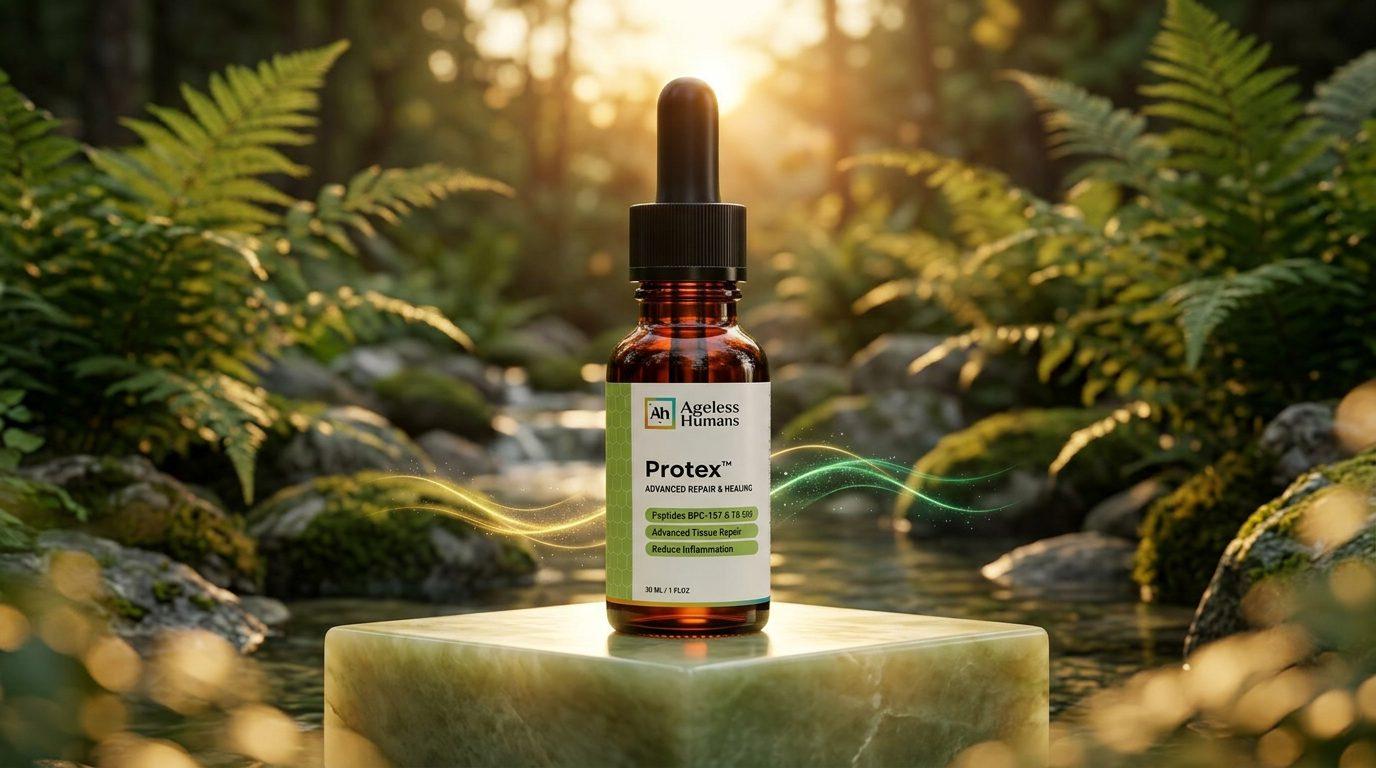
If your real goal is supporting recovery, our Protex BPC-157 and TB-500 oral formula is designed to support the body's natural recovery processes. It works by different pathways than LL-37 and is not a substitute for it. For a broader foundation covering energy, recovery and daily healthy-aging support, the Metamorphic Anti-Aging Protocol brings several pillars into one routine.
Every Ageless Humans product is made in our FDA-registered facility in Carlsbad, California. Every lot is third-party lab tested with a Certificate of Analysis, and every product is backed by a 60-day money-back guarantee.
Frequently asked questions
What is cathelicidin LL-37?+
Cathelicidin LL-37 is the only cathelicidin peptide the human body produces. It is a 37-amino-acid host-defense peptide made by immune cells and by cells lining the skin, airways and gut. It is released from a larger precursor protein called hCAP18 and is part of the innate immune system.
What are the benefits of LL-37?+
Within the body, LL-37 helps disrupt microbes, signal immune cells and support normal tissue repair, based mainly on lab and animal research. Researchers have studied it for wound repair, biofilms and barrier function. However, there is no strong human evidence that taking LL-37 as an outside product delivers reliable benefits for healthy people.
Does vitamin D increase LL-37?+
Research suggests active vitamin D can increase expression of the CAMP gene, which makes the precursor to LL-37. This is one of the best-documented regulatory links in cathelicidin biology. Individual responses likely vary, so follow label directions for any supplement and ask your clinician about testing your vitamin D levels.
Can you take LL-37 orally?+
Oral LL-37 is unlikely to reach the bloodstream intact because digestive enzymes break peptides down, and LL-37 is especially vulnerable to them. It is not a dietary supplement and is not FDA-approved for any use. Products sold online as LL-37 are typically labeled as research chemicals not meant for human consumption.
Is LL-37 safe?+
LL-37 is safe and essential in the amounts your body naturally regulates, but its safety as an outside product in humans is not well established. Lab studies show it can damage human cells at higher concentrations, and research links excess or unusual cathelicidin activity to inflammatory skin patterns. Anyone considering it should speak with a qualified clinician first.
How is LL-37 different from BPC-157?+
LL-37 is a host-defense peptide whose main research focus is antimicrobial and immune-signaling activity. BPC-157 is a separate peptide studied mainly in the context of tissue recovery. They come from different peptide families, work through different pathways, and have separate research histories, so one is not a substitute for the other.