
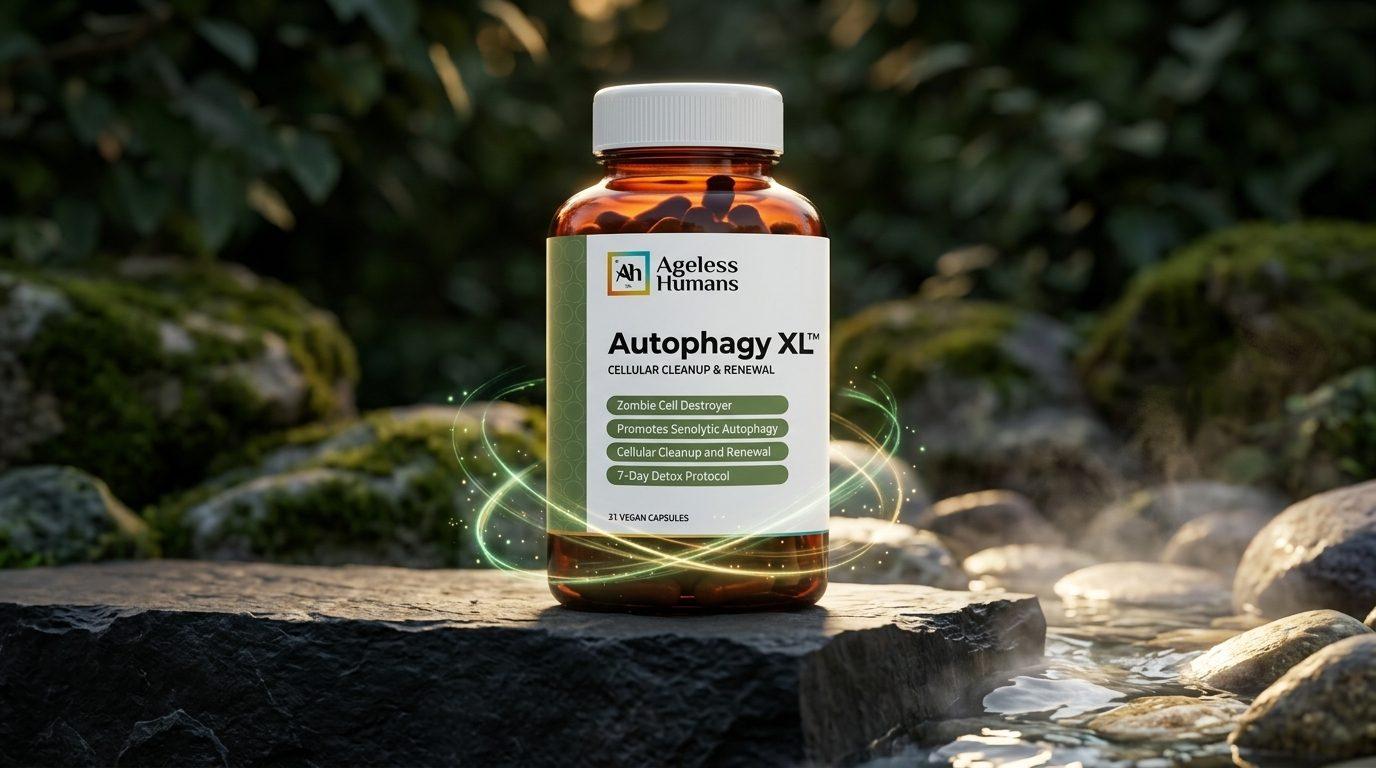
Fasting and spermidine both act on autophagy, the cell's recycling system, but they are not interchangeable. Fasting changes your whole metabolic state: energy deficit, lower insulin, depleted glycogen, and ketone production. Spermidine is a dietary polyamine studied for supporting autophagy signaling inside cells. The honest answer is that spermidine can complement a fasting practice and a healthy routine, but it cannot replace fasting.
The Short Answer: Fasting Is a State, Spermidine Is a Signal
Fasting is a whole-body metabolic state. Spermidine is a single molecule that research suggests can nudge one part of the autophagy machinery. That difference explains almost everything about how the two compare.
When you stop eating long enough, your body runs through a cascade of changes. Insulin falls, stored glycogen gets used up, fat becomes a primary fuel, and nutrient-sensing pathways such as mTOR (a growth signal) quiet down while AMPK (an energy-stress sensor) ramps up. Autophagy is one downstream result of that broad shift.
Spermidine works more narrowly. It is a naturally occurring polyamine found in foods like wheat germ, soybeans, mushrooms, and aged cheese. Researchers have studied it as a so-called caloric restriction mimetic, meaning a compound that appears to activate some of the same cellular recycling signals as eating less, without creating an actual energy deficit.
So the real question is not which one wins. It is what each can and cannot do, and how to stack them without fooling yourself.
What Fasting Does That a Capsule Can't
Fasting triggers changes that depend on the absence of food. No supplement can recreate an absence. Here is what a fasting window brings that a capsule does not:
- A real energy deficit. Your cells sense that fuel is scarce, and that is the original trigger autophagy evolved to respond to.
- Lower insulin and blood sugar over hours. Fasting gives your body an extended break from the post-meal insulin response.
- Glycogen depletion and metabolic switching. As liver glycogen runs low, the body shifts toward burning fat and producing ketones, which act as signaling molecules as well as fuel.
- Broad pathway changes at once. mTOR, AMPK, sirtuins, and hormonal signals all move together, coordinated across tissues.
- Behavioral and circadian structure. A defined eating window shapes meal timing, late-night snacking, and appetite awareness. Many people find these benefits as valuable as the cellular ones.
A capsule adds an input. Fasting removes one, and that removal sets off a cascade only time without food can produce.
Fasting also has real costs. It can be hard to sustain, it can disrupt sleep or training for some people, and it is not appropriate for everyone. That is part of why people look for complementary tools in the first place.
Where Spermidine Research Actually Fits
Spermidine research is promising but still early. Most of the strongest evidence comes from cell and animal models, and human data is limited. That is the honest framing.
In laboratory studies with yeast, worms, flies, and mice, spermidine has been studied for its role in supporting autophagy and healthy cellular aging. Researchers have proposed a mechanism: spermidine appears to inhibit an enzyme called EP300, which changes how autophagy-related proteins are tagged and allows recycling signals to proceed. This is the main reason it gets called a fasting mimetic.
Research also suggests that natural polyamine levels in the body may decline with age. That has made spermidine an appealing area of study for people interested in longevity. Human research includes observational dietary studies and some small supplementation trials. These are interesting, but they cannot settle cause and effect.
What the research does not show: that spermidine reproduces the full effects of fasting in humans, or that taking it lets you skip lifestyle basics. For a deeper look at the compound itself, see our guide to spermidine benefits.
The Measurement Problem Nobody Mentions
No simple, validated test tells you how much autophagy is happening in your body right now. That applies to both fasting and supplements. Be skeptical of any claim that says otherwise.
Autophagy is a dynamic process happening inside cells in different tissues at different rates. In the lab, researchers measure it with tissue samples, special markers, and controlled conditions. In everyday life, you cannot check it like blood sugar.
This matters because online advice often states that autophagy starts at a specific hour of fasting, or that a product turns autophagy on. Those statements usually extrapolate from animal data or from indirect markers. Fasting reliably produces the metabolic conditions associated with autophagy. Spermidine is studied for supporting autophagy signaling. Neither comes with a dashboard.
The practical takeaway is to judge your routine by what you can observe: energy, sleep, consistency, how well you tolerate it, and conversations with your healthcare provider. Do not chase an hour count or a promise.
Side-by-Side: Spermidine vs. Fasting
Fasting is the stronger, broader lever. Spermidine is the easier, narrower one. Here is how they compare on the factors that matter:
- How it works: Fasting creates a whole-body energy deficit. Spermidine is studied for supporting autophagy signaling within cells.
- Breadth of effect: Fasting affects insulin, fuel use, ketones, and multiple nutrient-sensing pathways. Spermidine is more targeted.
- Evidence base: Fasting and caloric restriction have a large body of research behind them. Spermidine research is growing but concentrated in preclinical models.
- Ease and consistency: Spermidine takes seconds a day. Fasting takes discipline, planning, and tolerance.
- Who it suits: Fasting is not appropriate for everyone. Spermidine is a food-derived compound, though anyone with a medical condition or taking medication should still check with a clinician.
- Can it replace the other? No. Spermidine is not a substitute for fasting, and fasting does not need a supplement to work.
If you want a broader view of compounds studied for cellular recycling, our autophagy supplements guide covers the main options and what the research says about each.
How to Combine Both Without Fooling Yourself
Use fasting, or simply eating less often, as the foundation. Treat spermidine as daily support on top of it, not a shortcut around it. Here is what that looks like in practice:
1. Pick a fasting approach you can actually sustain. For many people, a consistent overnight eating window works better than occasional extended fasts. Consistency beats intensity. Talk to your healthcare provider before making significant changes, especially if you take medication or have a health condition. 2. Take your supplement as the label directs. Do not stack extra doses on fasting days to amplify effects. More is not better, and label directions exist for a reason. 3. Do not use a capsule to justify skipping the work. If a supplement becomes the reason you stop paying attention to meal timing, sleep, and movement, it has made your routine worse. 4. Keep the other autophagy-friendly habits. Regular exercise, adequate sleep, and a diet rich in whole plant foods (some naturally high in spermidine) all support healthy cellular function.
On days when fasting is not realistic, such as travel, heavy training, or social meals, daily spermidine support helps keep your routine consistent. That is a reasonable role for it.
Does a Spermidine Capsule Break a Fast?
A capsule contains a negligible amount of energy, so it is unlikely to meaningfully interrupt the metabolic state of a fast. Whether it counts depends on how strict your goal is. Purists who allow nothing but water will avoid it. Most people treat a capsule like black coffee or tea.
The bigger issue is how your specific product is labeled. Some supplements are designed to be taken with food. Follow the directions on your label, and if timing matters to you, take it at the start or end of your eating window.
People often overthink this question. The difference between taking a capsule at the start of your eating window and taking it at the end of a fast is far smaller than the difference between keeping a consistent routine and abandoning it. Pick the timing you will actually stick to.
Frequently asked questions
Is spermidine as effective as fasting for autophagy?+
No. Fasting creates a whole-body metabolic shift that includes an energy deficit, lower insulin, glycogen depletion, and ketone production, and a supplement cannot recreate that. Spermidine is studied as a compound that may support autophagy signaling inside cells, mostly in animal and cell research so far. It works best as a complement to healthy habits, not a replacement for fasting.
Can I take spermidine instead of intermittent fasting?+
Spermidine is not a substitute for intermittent fasting. Fasting affects many interconnected pathways and also shapes eating behavior, while spermidine acts more narrowly. Some people use spermidine for daily support on days when fasting is not practical, but it should not replace a sustainable eating pattern.
Why is spermidine called a fasting mimetic?+
Researchers call spermidine a caloric restriction mimetic because, in laboratory studies, it appears to activate some of the same cellular recycling signals as eating less. One proposed mechanism involves inhibiting an enzyme called EP300, which affects autophagy-related proteins. The term describes a shared signal, not equal effects. Spermidine does not create the energy deficit that defines fasting.
Does taking a spermidine supplement break a fast?+
A capsule contains very little energy and is unlikely to meaningfully change the metabolic state of a fast. People who follow strict water-only fasts may still choose to avoid it. Follow your product's label directions, and if timing matters to you, take it during your eating window.
How do I know if autophagy is actually happening?+
There is currently no simple consumer test that measures autophagy in your body. Researchers assess it in controlled lab settings using tissue samples and specialized markers. Be cautious of claims that autophagy starts at an exact hour or that a product switches it on. Focus on consistent, sustainable habits and guidance from your healthcare provider.
What foods are naturally high in spermidine?+
Spermidine occurs naturally in foods such as wheat germ, soybeans, mushrooms, legumes, and aged cheeses. Eating more whole plant foods is a simple way to include more polyamines in your diet. Supplements offer a more consistent daily amount for people who want added support.