
Spermidine and NMN aren't rivals. They work on two different parts of how cells age. Spermidine is studied mainly for supporting autophagy, the cell's cleanup and recycling process. NMN is a direct precursor to NAD+, the molecule cells need for energy and repair. Pick spermidine first if cellular renewal is your priority, NMN first if energy and metabolism matter most, or use both, since they're widely considered complementary.
The Short Answer: Two Different Axes of Cellular Aging
Spermidine works on the autophagy axis. NMN works on the NAD+ axis. They address separate processes, so the question isn't which one wins but which one fits your goal first.
Autophagy is how cells break down worn-out proteins and damaged parts and recycle them into usable material. Think of it as housekeeping. NAD+ is a coenzyme involved in hundreds of reactions, including turning food into cellular energy and fueling the enzymes that maintain DNA. Think of it as the power supply and the repair crew's fuel.
Research suggests both processes tend to decline with age. That shared pattern is why the two compounds get compared so often, and why many longevity-focused people end up using both rather than choosing one.
What Spermidine Is and What It's Studied For
Spermidine is a naturally occurring polyamine studied mainly for its role in supporting autophagy. Your body makes some, gut bacteria produce some, and you get the rest from foods like wheat germ, soybeans, mushrooms, legumes, and aged cheeses.
In lab and animal research, spermidine has been studied for triggering autophagy without requiring fasting. One proposed mechanism: it appears to inhibit certain acetyltransferase enzymes, which shifts cells toward a state that favors cleanup. Research also suggests that natural spermidine levels tend to fall with age.
What the evidence shows, honestly:
- The mechanistic and animal data is substantial and consistent.
- Human data includes observational studies linking higher dietary spermidine intake with favorable aging-related outcomes. Observational data shows associations, not cause and effect.
- Controlled human trials exist but are relatively small. They support tolerability and point to promising directions, but larger, longer trials are still needed.
For a deeper look at the research, see our full guide to spermidine benefits.
What NMN Is and What It's Studied For
NMN (nicotinamide mononucleotide) is a direct precursor to NAD+, studied for helping maintain NAD+ levels as they decline with age. Your cells convert NMN into NAD+ in a single step. That's one reason it draws more attention than older precursors like niacin.
NAD+ matters because it powers mitochondrial energy production and fuels two well-studied enzyme families. Sirtuins are involved in cellular stress responses and metabolic regulation. PARPs support DNA maintenance. When NAD+ runs low, these systems have less to work with.
What the evidence shows, honestly:
- Animal research is extensive and shows NMN supporting energy metabolism and various markers of healthy aging.
- Multiple human clinical trials have been published. They generally find NMN well tolerated, and several report increases in blood NAD+ levels.
- Effects on functional outcomes in humans, like endurance or metabolic markers, have been mixed or modest across studies. Raising NAD+ is well supported. What that does over years in people is still being studied.
More detail is in our breakdown of NMN benefits.
Spermidine vs NMN: Side-by-Side Comparison
The core difference: spermidine supports cleanup, NMN supports energy and repair fuel. Here's how they line up:
| Spermidine | NMN | |
|---|---|---|
| Compound type | Polyamine | NAD+ precursor (nucleotide) |
| Primary axis | Autophagy (cellular recycling) | NAD+ (energy and repair) |
| Main role studied | Supporting cellular renewal | Supporting cellular energy and sirtuin activity |
| Dietary sources | Wheat germ, soy, mushrooms, aged cheese | Trace amounts in some vegetables, too low for meaningful intake from food |
| Declines with age? | Research suggests yes | Research suggests NAD+ declines |
| Human evidence | Observational data plus smaller controlled trials | Several clinical trials; NAD+ increases well documented |
| Tolerability in studies | Generally well tolerated | Generally well tolerated |
Neither compound has the decades of large-scale human outcome data that would let anyone call it proven for longevity. Anyone who tells you otherwise is overselling. What both have is a strong biological rationale, solid preclinical work, and a growing body of human research.
Why They're Complementary, Not Competitive
Spermidine and NMN appear to support overlapping goals through separate mechanisms, so using both may cover more ground than either alone. That's a reasoned hypothesis, not a proven synergy. Here's the logic.
Autophagy and NAD+ are connected. Sirtuins, which depend on NAD+, remove acetyl groups from proteins involved in autophagy, which helps switch the cleanup process on. Spermidine appears to act from the other direction by limiting the enzymes that add those acetyl groups. Researchers have described this as two paths pushing the same cellular switch: one fuels the enzyme that turns it on, the other quiets the enzyme that turns it off.
There's also a practical fit. Autophagy clears out damaged mitochondria, a process called mitophagy. NAD+ helps the healthy mitochondria that remain produce energy. Cleanup plus fuel is a sensible pairing.
To be clear: studies directly testing spermidine and NMN together in humans are limited. The case for combining them rests on mechanism, not head-to-head trials.
Where to Start: Choosing Based on Your Goal
Start with the compound that matches your top priority, then add the other once you know how your body responds. Introducing one at a time makes it easier to notice what each does for you.
Consider starting with NMN if:
- Energy, stamina, and metabolic health are your main focus
- You want the compound with the most published human trial data on raising a measurable marker (NAD+)
- You're interested in sirtuin and mitochondrial support
Consider starting with spermidine if:
- Cellular renewal and autophagy are your main focus
- You already practice or are curious about fasting and want to support the same cleanup pathway
- Your diet is low in spermidine-rich foods like wheat germ, legumes, and mushrooms
Consider both if:
- You want to support both the cleanup side and the energy side of cellular aging
- You've already used one and tolerated it well
Whichever you choose, follow the label directions. Talk with your healthcare provider first if you're pregnant, nursing, taking medications, or managing a health condition. Spermidine products made from wheat germ may not suit people avoiding gluten, so check the label.
How to Judge Quality Before You Buy
With both compounds, purity and verified potency matter more than marketing. Both categories have a history of products that don't contain what the label claims.
What to check:
- A Certificate of Analysis (COA) for every lot. Independent third-party testing should confirm identity, potency, and the absence of contaminants such as heavy metals and microbes.
- Source and form. For spermidine, look at whether it comes from wheat germ extract or another source, and check that the actual spermidine amount is listed, not just the extract weight. For NMN, look for confirmed purity of the active compound.
- Where it's made. Manufacturing in an FDA-registered facility with clear quality controls is a meaningful baseline.
- A real guarantee. A brand that stands behind its product makes it easier to try something new without much risk.
At Ageless Humans, every product is made in our own FDA-registered facility in Carlsbad, California. Every lot is third-party lab tested with a COA, and everything is backed by a 60-day money-back guarantee.
The Bottom Line
Spermidine and NMN target two of the most-studied processes in cellular aging, autophagy and NAD+, and they're best understood as partners. Spermidine supports the cleanup crew. NMN supports the energy supply and the enzymes that depend on it.
The research is promising but still maturing. Mechanistic and animal evidence is strong for both. Human trials support tolerability and, for NMN, measurable NAD+ increases. Long-term human outcome data is still being built. If you go in with those expectations, choose a tested, transparent product, and start with your top goal, you'll be making an informed decision rather than chasing hype.
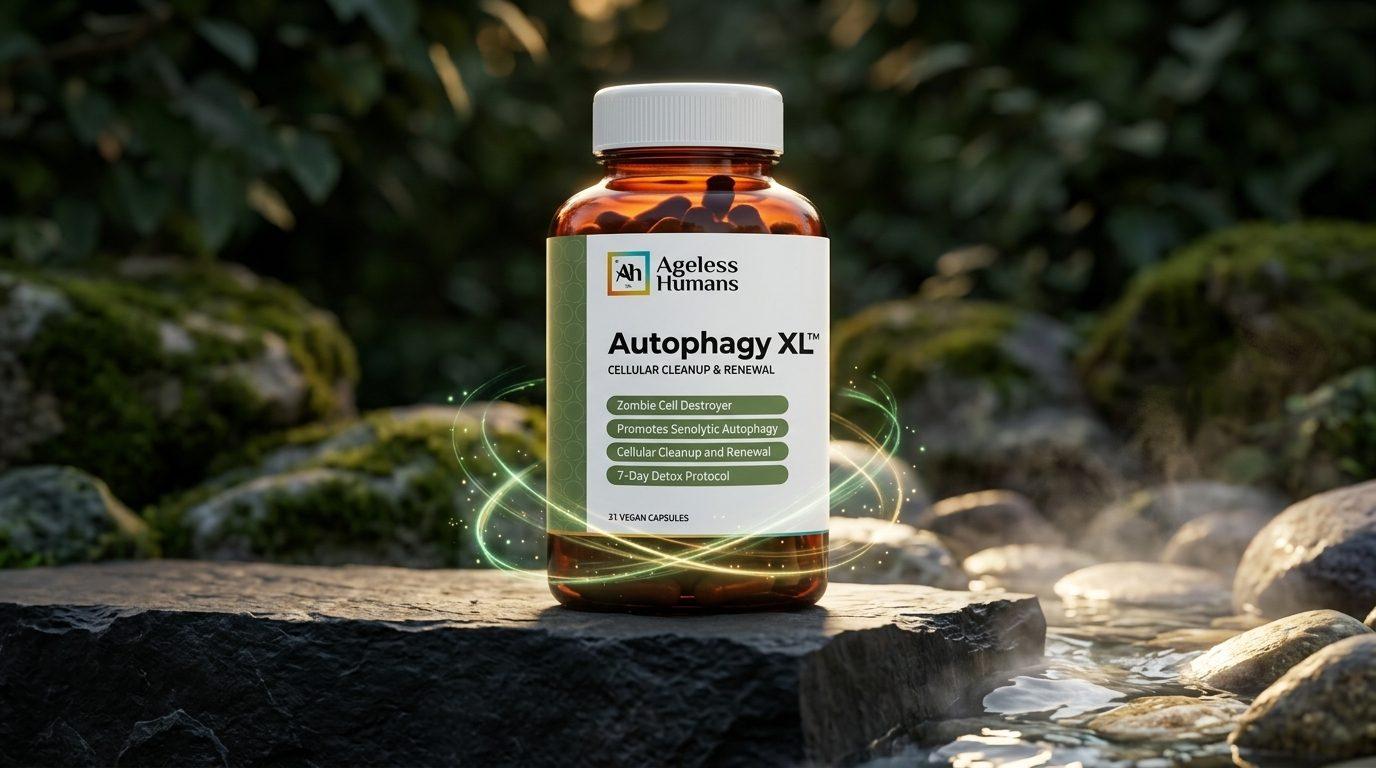
If you want to begin on the autophagy side, Autophagy XL is built around that pathway. If NAD+ support is your starting point, NMN 500 Capsules is a direct option.
Frequently asked questions
Is spermidine or NMN better for longevity?+
Neither is better overall because they work on different processes. Spermidine is studied for supporting autophagy, the cell's recycling system, while NMN supports NAD+ levels for cellular energy and repair. The better choice depends on your priority, and many people use both because the mechanisms are considered complementary.
Can you take spermidine and NMN together?+
Yes. Spermidine and NMN are commonly used together, and their mechanisms are considered complementary rather than overlapping. Human studies testing the combination directly are limited, so it's a sensible approach to add one at a time and follow each product's label directions. Check with your healthcare provider if you take medications or have a health condition.
What is the main difference between spermidine and NMN?+
Spermidine is a polyamine studied mainly for supporting autophagy, the process cells use to clear and recycle damaged components. NMN is a precursor the body converts into NAD+, a coenzyme essential for energy production and for enzymes like sirtuins. In short, spermidine supports cellular cleanup and NMN supports cellular fuel.
Which has more human research, spermidine or NMN?+
NMN currently has more published human clinical trials, and several show it raises blood NAD+ levels and is well tolerated. Spermidine's human evidence includes observational dietary studies and smaller controlled trials. Both have strong animal and mechanistic research, but long-term human outcome data is still developing for each.
Can I get spermidine and NMN from food?+
Spermidine is present in meaningful amounts in foods like wheat germ, soybeans, mushrooms, legumes, and aged cheese. NMN occurs only in trace amounts in some vegetables, far too little to meaningfully raise NAD+ from diet alone. That's why NMN is typically taken as a supplement, while spermidine can come from both diet and supplements.
Should I start with spermidine or NMN?+
Start with NMN if energy and metabolic support are your top priority, or with spermidine if cellular renewal and autophagy are your focus. Introducing one at a time helps you notice how each one affects you before you add the other. Always follow label directions and choose products with third-party lab testing and a Certificate of Analysis.