
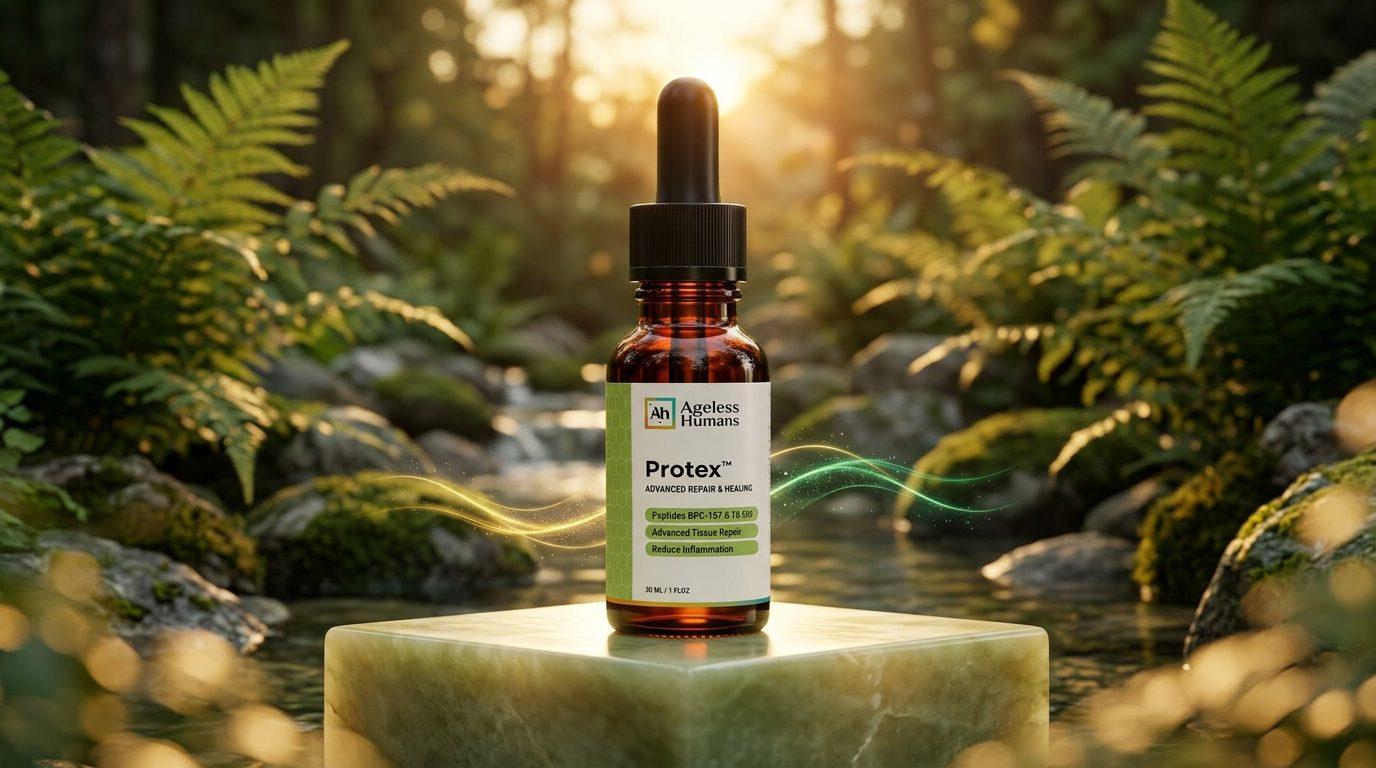
Choose a recovery kit by how hard and how often you train, not by how ambitious you feel. The Recovery Starter Pack fits people building a consistent routine. The Athlete Advanced Cellular Recovery Kit fits people training hard several days a week who want cellular-energy support, and the Ultimate Workout Recovery System fits people who want the most complete daily recovery foundation in one system.
The Short Answer: Match the Kit to Your Training Load
Your weekly training load is the deciding factor. Load means how often you train, how hard you push, and how much time you get between sessions. A bigger kit won't help you more if your training doesn't create a bigger recovery demand.
Here's the fast version:
- Training 2–3 days a week, or getting back into it? Start with the Starter Pack.
- Training hard 4+ days a week, doing two-a-days, or competing? Look at the Athlete Kit.
- Training hard and want sleep, energy, and daily recovery covered in one routine? Choose the Ultimate System.
If you're between two tiers, choose the smaller one. You can always move up later. An upgrade makes the most sense after you've been consistent with the basics, and the sections below explain why. If you'd like a personalized recommendation, the recovery quiz takes a couple of minutes.
Starter Tier: For Building the Habit
The Starter tier is for people whose biggest recovery problem is consistency, not capacity. This group includes new lifters, runners adding mileage, people returning after time off, and adults over 40 who want to train regularly without feeling flattened for days afterward.
The Recovery Starter Pack is built around foundational recovery support. These are the basics that help maintain normal muscle function, hydration, and post-workout comfort. It's deliberately simple, so you can take it every day without a complicated schedule. Simple matters more than people expect. A routine you actually follow beats a stack you abandon in week three.
Signs this tier fits you:
- You train 2–3 days a week, or you're working up to that.
- Your soreness is noticeable but goes away within a day or two.
- You haven't kept up a supplement routine before.
- You want to see how your body responds before adding more.
Check the product page for the current lineup and label directions. Each lot ships with its third-party COA, so you can confirm exactly what's inside.
Athlete Tier: For High Volume and Cellular-Energy Support
The Athlete tier is for people whose training volume regularly outpaces their recovery. You train hard four or more days a week. You stack sessions back to back, or you're preparing for events. Your issue isn't remembering to recover. It's that you have less time to recover between demanding efforts.
The Athlete Advanced Cellular Recovery Kit adds a cellular focus on top of foundational recovery support. It targets mitochondrial energy production and the cellular processes your muscles depend on during repeated hard efforts. Research suggests that cellular energy metabolism plays a central role in how tissues respond to training stress. That's why this tier looks beyond soreness alone.
Signs this tier fits you:
- You train 4+ days a week, often at high intensity.
- Your next session sometimes starts before you feel fully ready.
- You already have the basics in place: sleep, protein, and hydration.
- You care about performance across a training block, not just how you feel the day after one workout.
For a deeper look at how serious athletes layer recovery support, read our guide to building an athlete recovery stack.
Ultimate Tier: For a Complete, All-in-One Daily System
The Ultimate tier is for people who want every major recovery lever covered in one coordinated routine. These people train seriously. They also know that recovery happens outside the gym too: overnight, across the workday, and through how steady their energy feels from morning to evening.
The Ultimate Workout Recovery System is the most comprehensive option. It combines post-workout recovery support with support for restful sleep, daily energy, and the cellular foundation behind both. Its value isn't more of the same. Its value is broader coverage, so you aren't piecing together products from several sources with overlapping or missing pieces.
Signs this tier fits you:
- You train hard and also want support for sleep quality and all-day energy.
- You'd rather run one coordinated system than manage several separate products.
- You've used supplements consistently before and know you'll stick with a routine.
- Recovery is a long-term priority for you, not a short-term experiment.
If you want to understand how each piece of a full system works together, our workout recovery system guide breaks it down.
Side-by-Side: Choose in 60 Seconds
Answer three questions, and the right tier usually becomes obvious.
1. How many hard sessions do you do per week?
- 0–3: Starter
- 4 or more: Athlete or Ultimate
2. Where does your recovery break down?
- "I'm sore and inconsistent": Starter
- "I can't bounce back fast enough between sessions": Athlete
- "It's my workouts and my sleep and my energy": Ultimate
3. How much routine do you want to manage?
- Minimal and simple: Starter
- A focused performance stack: Athlete
- One complete system that covers everything: Ultimate
If your answers point to different tiers, trust question 1. Training load is the most reliable signal. Questions 2 and 3 help you decide between Athlete and Ultimate once you know you're in the higher-volume group.
Honest Upgrade Logic: When to Move Up (and When Not To)
Upgrade when your training changes, not when your enthusiasm spikes. A bigger kit won't make up for poor sleep, low protein intake, or a training plan with no rest days. Those fundamentals do most of the recovery work. Supplements support them. They don't replace them.
Good reasons to move up a tier:
- Your training volume has gone up for good. For example, you went from 3 days a week to 5, or you started training for an event.
- You've used your current tier consistently for at least a full cycle, and your training demands have outgrown it.
- You've fixed your sleep, nutrition, and hydration, and you still want more support.
Bad reasons to move up:
- You missed doses on your current kit and assume a bigger one will feel different.
- One brutal workout left you sore. That's normal, and it isn't a pattern.
- You think more products automatically mean faster results. They don't.
Moving down is fine, too. If you're heading into an off-season, managing a busy stretch at work, or cutting back on training, a smaller tier may match your real needs better. The right kit is the one that fits your life right now. Every tier comes with a 60-day money-back guarantee, so trying the tier that seems right carries little risk.
What Research Does (and Doesn't) Show About Recovery Supplements
Research supports recovery supplements as helpers, not shortcuts. Ingredients often found in recovery formulas include electrolytes, magnesium, amino acids, and compounds involved in cellular energy. These have been studied for their roles in muscle function, hydration, and energy metabolism. Some areas have a stronger research base than others, and results vary from person to person.
Here's what research doesn't show. No supplement, at any tier, removes the need for recovery time. Studies on training adaptation consistently point to sleep, total protein intake, and sensible training progression as the main drivers. Be skeptical of any brand that promises dramatic, guaranteed results.
A practical way to judge results: pay attention to patterns over several weeks, not single days. Ask yourself whether you feel more ready for your next session, whether your training feels more consistent, and whether your routine is sustainable. Those are the honest markers. Always follow label directions, and talk with your healthcare provider before starting any new supplement, especially if you take medications.
What's the Same Across Every Kit
Quality and accountability don't change between tiers. Only the scope changes. All three kits are made in Ageless Humans' own FDA-registered facility in Carlsbad, California. We don't outsource manufacturing to an anonymous contract manufacturer.
Every lot is third-party lab tested and comes with a Certificate of Analysis (COA). That means you can check the identity and purity of what you're taking instead of relying on marketing copy. If a recovery brand can't show you a COA, you're trusting their word alone.
Every kit also carries the same 60-day money-back guarantee. That gives you enough time to build a consistent routine and judge results honestly, which matches how recovery actually works. Still not sure where you land? The quiz will point you to a starting tier based on your training and goals.
Frequently asked questions
What's the difference between the Recovery Starter Pack, Athlete Kit, and Ultimate System?+
The three kits differ in scope, not quality. The Recovery Starter Pack provides foundational recovery support for people building a consistent routine. The Athlete Advanced Cellular Recovery Kit adds cellular-energy support for high-volume training. The Ultimate Workout Recovery System is the most complete option, adding support for sleep and all-day energy alongside post-workout recovery.
Which recovery kit should a beginner choose?+
Most beginners should start with the Recovery Starter Pack. It's designed to be simple enough to take consistently, and consistency matters most early on. Once your training volume increases for good, you can move up to a larger kit.
Is the Ultimate Workout Recovery System worth it over the Athlete Kit?+
The Ultimate System is worth it if your recovery challenges go beyond the gym, such as sleep quality and steady daily energy, and you want one coordinated routine. If your main need is bouncing back between hard training sessions, the Athlete Kit may cover it. Choose based on where your recovery actually breaks down.
When should I upgrade to a bigger recovery kit?+
Upgrade when your training load goes up for good, such as adding more weekly sessions or starting event prep, and after you've used your current kit consistently. Don't upgrade to make up for missed doses, poor sleep, or one tough workout. Sleep, protein, and rest days still do most of the recovery work.
Do recovery supplements actually work?+
Research suggests that certain ingredients common in recovery formulas, such as electrolytes, magnesium, and compounds involved in cellular energy, play roles in normal muscle function and energy metabolism. Results vary by person, and supplements work best on top of good sleep, nutrition, and smart training. Judge results by patterns over several weeks, not single days.
How do I know what's actually in an Ageless Humans recovery kit?+
Every lot of every Ageless Humans kit is third-party lab tested and comes with a Certificate of Analysis (COA). The COA lets you verify identity and purity yourself. All products are made in Ageless Humans' FDA-registered facility in Carlsbad, California, and they're backed by a 60-day money-back guarantee.