
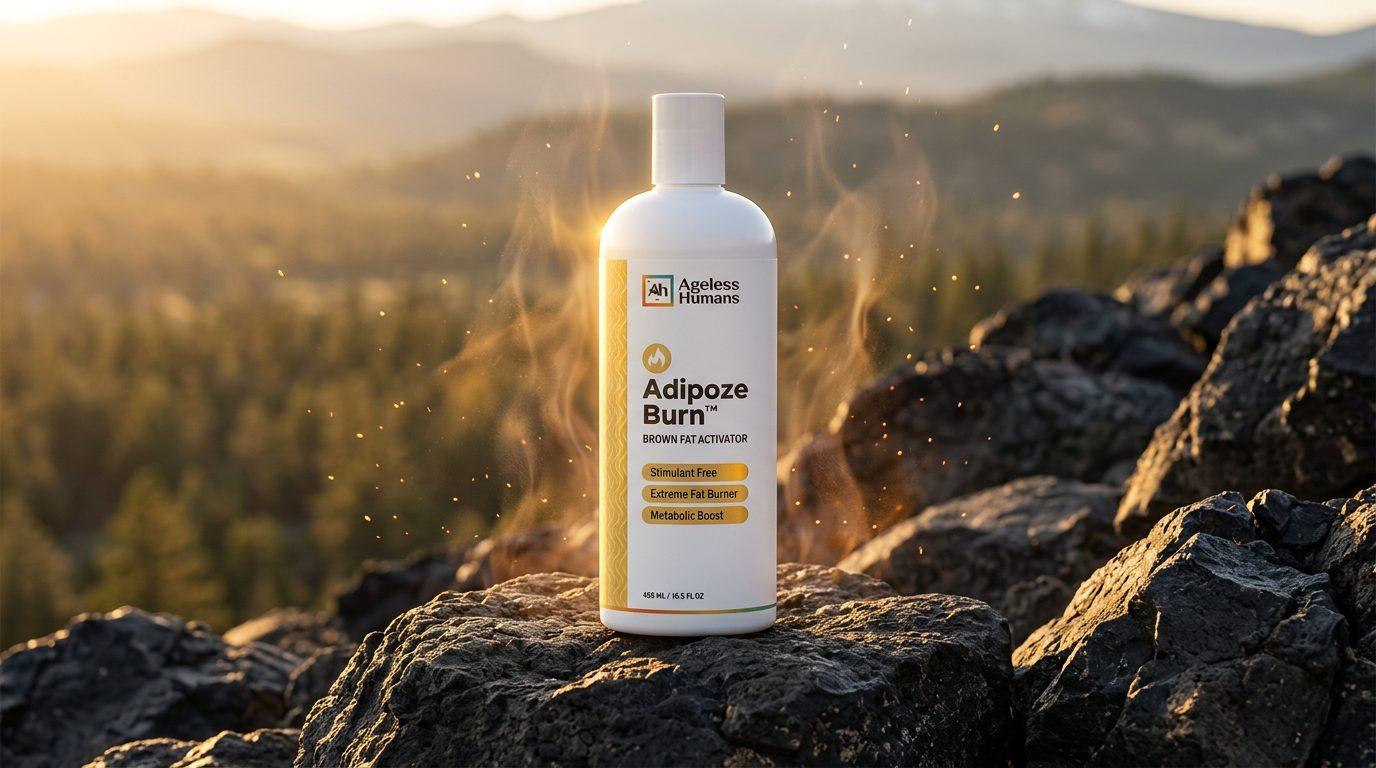
Daytime metabolic support is built for your active hours. It typically uses thermogenic ingredients to support energy, focus, and calorie use while you move. Overnight metabolic support is built for the sleep window. It uses non-stimulant ingredients to support relaxation, recovery, and the repair work your body does while you rest. Choose daytime support if your gap is energy and activity, choose overnight support if your gap is sleep and recovery, and combine them only with a firm afternoon stimulant cutoff.
The Short Answer: Two Windows, Two Different Jobs
Your metabolism runs a different program by day than by night, so support should match the window. During the day, your body is in output mode. You move, think, digest meals, and burn fuel. At night, it shifts into maintenance mode. It repairs tissue, rebalances hormones, and consolidates the work of the day.
A daytime formula tries to amplify output mode. An overnight formula tries to protect maintenance mode. These are not competing approaches. They are two halves of a 24-hour cycle, and each one fails if you use it in the wrong window.
The practical rule is simple: stimulating ingredients belong in the morning and early afternoon. Calming and recovery ingredients belong in the evening. Most problems people have with metabolic supplements come from breaking that rule. Examples include a thermogenic taken too late, or a sleep-focused product taken at lunch.
How Daytime Thermogenic Logic Works
Daytime metabolic support works by gently raising energy output during the hours you are already active. Thermogenesis means heat production. Your body makes heat every time it burns fuel. Some compounds have been studied for their ability to nudge that process upward and to support alertness, so you are more likely to move.
Ingredient categories commonly used in daytime formulas include:
- Caffeine and natural caffeine sources have been studied for energy, focus, and exercise performance.
- Green tea catechins have been researched for their role in fat oxidation and energy expenditure, often alongside caffeine.
- Capsaicinoids from peppers have been studied for their warming effect and for their role in satiety and energy use.
- Botanicals and nutrients that support appetite control and blood sugar balance are often included to help with steady energy between meals.
The logic is about pairing support with action. A thermogenic taken before a workout, a long walk, or a demanding workday has something to amplify. Taken while sitting all day, it has much less to work with. Research suggests these ingredients produce modest effects. They are best understood as a nudge, not an engine.
How Overnight Recovery Logic Works
Overnight metabolic support works by protecting the quality of sleep and supporting the recovery processes that happen during it. Sleep is not idle time for your metabolism. Research consistently links short or fragmented sleep to stronger hunger signals, more cravings the next day, and less efficient use of blood sugar. Poor nights quietly undo good days.
Overnight formulas are typically stimulant-free and lean on ingredient categories such as:
- Minerals like magnesium have been studied for relaxation, muscle function, and sleep quality.
- Amino acids like glycine or L-theanine have been researched for winding down and sleep onset.
- Botanicals traditionally used for relaxation are often included to support a calm transition into sleep.
- Nutrients that support overnight blood sugar balance are sometimes added to help maintain steady levels during the fasting hours of sleep.
The logic here is subtraction, not addition. You are not trying to burn more at night. You are trying to remove friction from rest so your body can do its normal repair work. For a deeper look at this category, see our guide to overnight recovery supplements.
Side-by-Side: How the Two Protocols Differ
The core difference is direction. Daytime support turns things up, and overnight support settles things down. Here is how they compare on the points that matter when choosing.
- When to take: Daytime support goes in the morning or before activity. Overnight support goes in the evening, before bed.
- Primary goal: Daytime support targets energy, focus, and calorie use during activity. Overnight support targets relaxation, sleep quality, and recovery.
- Stimulants: Daytime formulas often contain them. Overnight formulas should not.
- Works best with: Daytime support pairs with movement, training, and structured meals. Overnight support pairs with a consistent bedtime, a dark room, and an earlier last meal.
- What you may notice: With daytime support, people tend to notice more get-up-and-go and easier workouts. With overnight support, they tend to notice easier wind-down and feeling more rested in the morning.
- Who should be cautious: Daytime formulas call for care if you are sensitive to caffeine or other stimulants. Overnight formulas call for care if you are taking other sleep or relaxation products.
Neither protocol is better in the abstract. The better one is the one that targets your actual bottleneck.
How to Choose: A Quick Decision Guide
Start by identifying whether your weak point is your days or your nights. Most people know the answer within a few seconds of asking honestly.
Lean toward daytime support if:
- You sleep reasonably well but feel flat, sluggish, or unmotivated during the day.
- Your workouts feel heavy, or you skip them because your energy fades.
- Afternoon slumps push you toward snacks and sugary drinks.
- You tolerate caffeine well and already like a morning routine built around it.
Lean toward overnight support if:
- You struggle to wind down, or you wake up feeling unrestored.
- Late-night cravings or evening snacking are your main challenge.
- You train hard and want to support recovery between sessions.
- You are sensitive to stimulants or simply want a non-stimulant option.
Consider both if your days lack energy and your nights lack rest. Those two problems often feed each other. Low energy can lead to late caffeine, which hurts sleep, which leads to lower energy the next day. A paired protocol is designed to interrupt that loop from both ends.
How to Combine Them Without Overlap
Combining daytime and overnight support works when you keep the windows separate and respect a stimulant cutoff. The whole point of a two-window protocol is that each product does its job without stepping on the other.
A simple structure looks like this:
1. Morning or pre-activity: Take your daytime formula as directed on the label, ideally before you move. 2. Early afternoon cutoff: Stop all stimulants, including coffee, energy drinks, and pre-workouts, well before evening. Caffeine can linger in your system for hours, and it can quietly reduce sleep depth even when you fall asleep fine. 3. Evening wind-down: Take your overnight formula as directed, as part of a consistent pre-bed routine. 4. Morning check-in: Notice how you slept and how your energy feels. That feedback tells you whether the system is working.
A few guardrails matter. Count total stimulant intake, so your thermogenic plus your coffee does not add up to more than you tolerate. Follow each label's directions exactly, and do not stack extra servings to chase faster results. If you take prescription medications, are pregnant or nursing, or have a medical condition, check with your healthcare provider before starting either product.
What the Research Does and Does Not Show
Research supports the idea behind both protocols, but the effects of any supplement are modest and depend on your habits. Honest framing matters here, because this category is full of overpromising.
What research suggests: certain thermogenic compounds have been studied for small increases in energy expenditure and fat oxidation, especially when combined with activity. Sleep quality is closely tied to appetite regulation, blood sugar handling, and recovery. Some minerals and amino acids have been studied for relaxation and sleep support.
What research does not show: no supplement replaces a calorie-appropriate diet, regular movement, or adequate sleep. No formula melts fat on its own. Individual responses also vary widely. Genetics, caffeine tolerance, stress, and schedule all affect what you will notice. Be skeptical of any product that promises dramatic results without lifestyle change.
The Foundation That Makes Either Protocol Work
Supplements amplify habits, so the habits come first. The people who get the most from metabolic support are usually the ones who have already set up the basics.
- Daytime: Get morning light exposure, eat protein-forward meals, take regular walks, and do some form of resistance training.
- Evening: Eat your last meal a few hours before bed, dim the lights, limit screens, and keep a consistent sleep and wake time.
- All day: Drink enough water, limit alcohol, and manage stress.
With that foundation in place, daytime and overnight support become what they should be: targeted tools for a specific window. For the bigger picture on how energy, blood sugar, sleep, and body composition connect, read our complete metabolic health guide.
Frequently asked questions
What is the difference between daytime and overnight metabolic support?+
Daytime metabolic support usually uses thermogenic ingredients to support energy, focus, and calorie use during active hours. Overnight metabolic support uses stimulant-free ingredients to support relaxation, sleep quality, and recovery while you rest. One amplifies output, and the other protects maintenance. Each works best when taken in its intended window.
Can I take a thermogenic and an overnight metabolic supplement together?+
Yes, as long as you take them at different times of day and follow each label's directions. Take the thermogenic in the morning or before activity, and take the overnight formula before bed. Keep a firm early-afternoon stimulant cutoff so caffeine does not interfere with sleep. Check with your healthcare provider first if you take medications or have a health condition.
Should I take a fat burner at night?+
Generally, no. Most thermogenic fat burners contain stimulants such as caffeine, which can make it harder to fall asleep and can reduce sleep depth. Since poor sleep is linked to stronger cravings and lower energy the next day, a late thermogenic can work against your goals. For evening support, a stimulant-free overnight formula is the better fit.
Does sleep really affect metabolism?+
Research consistently links sleep quality to metabolic function. Short or disrupted sleep is associated with stronger hunger signals, more cravings, and less efficient blood sugar handling the next day. Sleep is also when much of the body's tissue repair and recovery happens. That is why overnight support focuses on protecting rest rather than burning more energy.
Which should I start with if I can only choose one?+
Start with the window that is your biggest weak point. If you sleep well but lack daytime energy and drive to move, daytime support makes more sense. If you struggle to wind down, wake up unrested, or snack late at night, start with overnight support. Stimulant-sensitive people usually do better starting with the overnight option.
How long before I notice anything from metabolic support supplements?+
Some people notice energy or focus changes from daytime formulas fairly quickly, while sleep and recovery effects often build over consistent nightly use. Results vary by person and depend heavily on diet, activity, and sleep habits. Give any protocol a consistent trial at label directions, and track how you feel instead of expecting dramatic overnight changes.