
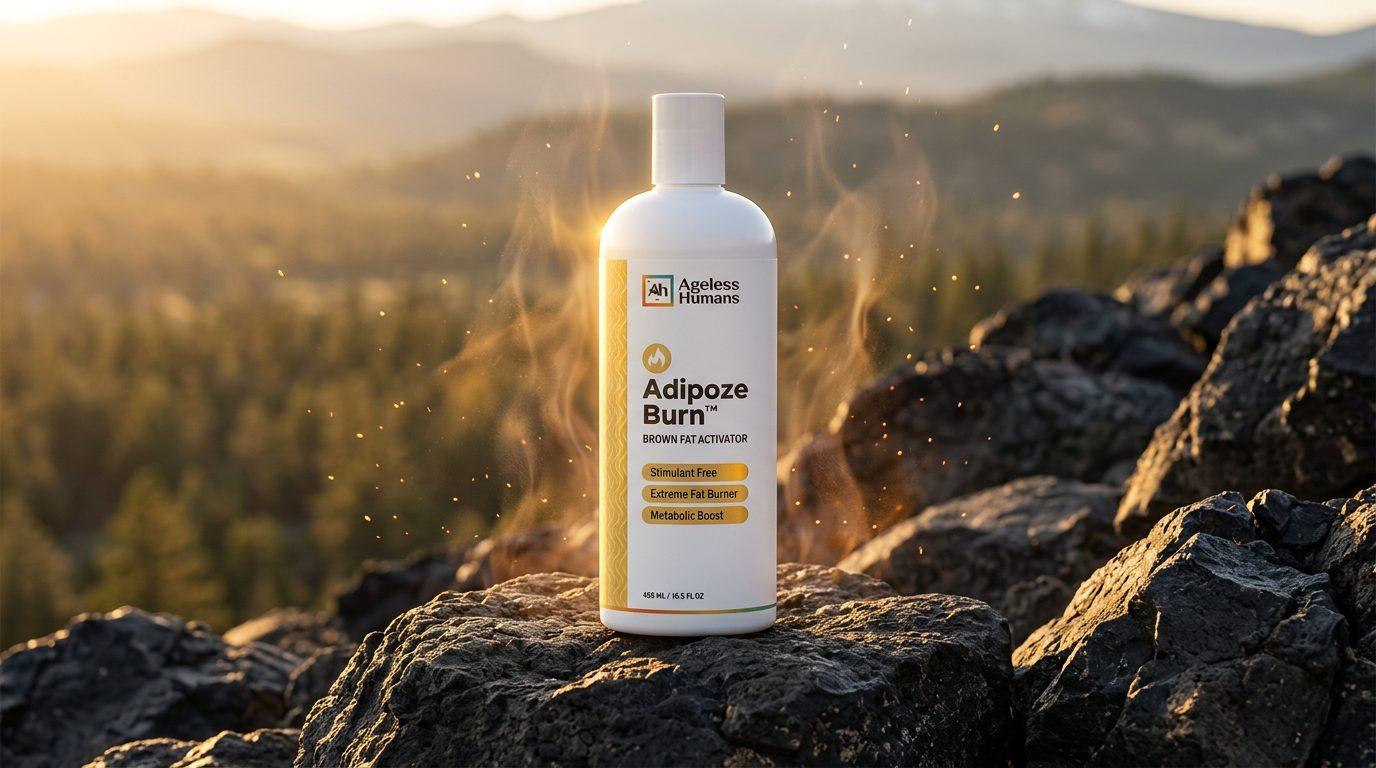
If caffeine makes you jittery, anxious, or wired at bedtime, a stimulant-free fat burner is usually the better choice. Stimulants have the most research behind their modest effect on energy expenditure, but that effect is small and can cost you sleep, and sleep is a major driver of appetite and metabolism. For sensitive people, a stimulant-free formula paired with solid sleep and daily movement is often the smarter trade.
The Short Answer: Who Should Choose Which
Choose stimulant-free if caffeine gives you jitters, a racing heart, anxiety, an upset stomach, or trouble falling or staying asleep. It also fits if you already drink coffee, tea, or pre-workout, or if you train in the evening.
A stimulant formula may suit you if you tolerate caffeine well, take it early in the day, and don't stack it with other caffeine sources.
The deciding factor isn't which type 'works harder.' It's which one you can take consistently without hurting your sleep, mood, or daily routine. A modest boost you can sustain beats a stronger one that wrecks your nights. For the broader question of whether these products deliver at all, see our breakdown of whether fat burners actually work.
How Fat Burners Actually Work: Three Mechanisms
Most fat burner ingredients act through one or more of three routes. Knowing them helps you read a label critically.
1. Thermogenesis. The ingredient slightly raises how much energy your body burns as heat. Stimulants do this mainly by activating the sympathetic nervous system, your 'fight or flight' wiring. That activation is also what produces jitters and keeps you awake. 2. Fat mobilization and oxidation. Some compounds are studied for helping release stored fat or supporting the body's use of fat as fuel. Releasing fat is not the same as burning it. Mobilized fat that isn't used for energy gets stored again. 3. Appetite, energy, and adherence. Some ingredients mainly affect how hungry, alert, or motivated you feel. This is often where users notice the biggest real-world difference, because it changes behavior.
The key point: stimulant formulas lean heavily on mechanism #1. Stimulant-free formulas lean on #2 and #3, and on supporting the metabolic processes you already have.
Thermogenic Ingredients, Honestly Ranked
Here is how common ingredients stack up by the strength and consistency of the research, not by marketing volume.
Tier 1: Most studied
- Caffeine (stimulant). The best-researched thermogenic ingredient. Research suggests it modestly raises energy expenditure and fat oxidation. Regular users build tolerance, so the effect tends to shrink over time.
- Green tea catechins, especially EGCG (often paired with caffeine). Studied for supporting energy expenditure and fat oxidation. Results are mixed, and many positive findings involve green tea extract combined with caffeine. Decaffeinated forms exist for sensitive users, but expect a gentler effect.
Tier 2: Promising but smaller or less consistent
- Capsaicinoids (from chili peppers). Studied for a small thermogenic and appetite-related effect without classic stimulant action. Some people notice digestive warmth.
- Synephrine (bitter orange). Structurally related to stimulants. Research is limited, and caffeine-sensitive people may still feel it.
Tier 3: Supporting roles, not thermogenics
- L-carnitine. Helps transport fatty acids into cells for energy. It supports fat metabolism rather than raising heat output.
- Chromium, berberine, and similar compounds. Studied for supporting healthy glucose metabolism already within normal ranges, which can influence energy and cravings.
Treat with caution: yohimbine is a potent stimulant with a reputation for side effects like anxiety and a racing heart. It is a poor fit for anyone sensitive to caffeine.
No ingredient on this list does the heavy lifting on its own. Even the strongest performers deliver modest effects.
The Sleep Cost of Stimulants
Stimulants can quietly erode the sleep that supports your metabolism, even if you fall asleep fine. Caffeine blocks adenosine, the compound that builds sleep pressure through the day. It stays active for several hours, and for some people much longer, depending partly on genetics, age, and other factors.
Research suggests caffeine taken later in the day can delay sleep onset and reduce deep sleep, sometimes without the person noticing. You may sleep seven hours and still wake up unrestored.
This matters for your goal. Research links short or poor-quality sleep to shifts in appetite-related hormones, stronger cravings for energy-dense food, lower motivation to move, and less favorable glucose handling the next day. A stimulant that adds a small calorie burn in the afternoon can be cancelled out by a night of weaker sleep and a hungrier tomorrow.
That is the core trade-off for caffeine-sensitive people. The thermogenic benefit is small and dulls with tolerance. The sleep cost can be real and compound over weeks.
Are You Caffeine-Sensitive? Signs and a Quick Audit
You are likely caffeine-sensitive if a single cup of coffee noticeably affects you. People process caffeine at different speeds, and research points to genetic variation in the liver enzyme that breaks it down. Slow processors feel effects longer and more strongly.
Common signs:
- Jitters, shaky hands, or a racing heart after modest amounts
- Anxiety or restlessness
- Stomach upset
- Lying awake, or waking at 3 a.m., after afternoon caffeine
- An energy crash a few hours later
Run a hidden-caffeine audit before adding any fat burner. Count coffee, tea, energy drinks, soda, pre-workout, dark chocolate, and any 'energy' supplements. Many people already take in more stimulants than they realize, and a stimulant fat burner simply stacks on top. If you're already near your personal limit, stimulant-free is the clear choice.
What Stimulant-Free Formulas Can and Can't Do
Stimulant-free fat burners won't give you a noticeable buzz, and that is the point. They aim to support metabolism without taxing your nervous system or your sleep.
What they can reasonably do:
- Support normal fat metabolism and energy production
- Help maintain healthy glucose metabolism already within normal ranges
- Support appetite control and steadier energy, which helps you stick to your plan
- Be taken any time of day, including evenings, since they don't contain stimulants
What they can't do:
- Replace a calorie-aware diet, daily movement, or sleep
- Produce a dramatic thermogenic effect you can feel
- Override poor habits
When you evaluate any formula, read the Supplement Facts panel. Look for clearly listed ingredient amounts rather than vague 'proprietary blends,' check for hidden stimulants like synephrine or guarana, and confirm third-party testing. Every Ageless Humans product is made in our FDA-registered facility in Carlsbad, California, and every lot is third-party lab tested with a Certificate of Analysis.
Realistic Expectations: What Results Actually Look Like
Expect a fat burner of either type to play a supporting role, not a leading one. The research on even the best-studied ingredients shows modest effects. Anyone promising rapid, effortless results is overselling.
Where the real progress comes from:
- Nutrition: adequate protein, mostly whole foods, and a consistent eating pattern
- Movement: strength training to maintain muscle, plus daily walking
- Sleep: consistent, sufficient, high-quality sleep
- Consistency: weeks and months, not days
A fat burner can help by nudging energy expenditure, supporting appetite control, or keeping your energy steadier so you make better choices. Give any product a fair trial of several weeks alongside your habits before judging it. Our metabolic health guide covers the foundations that make any supplement more effective.
How to Choose: A 5-Question Checklist
Answer these honestly:
1. Does one cup of coffee affect my sleep or mood? If yes, go stimulant-free. 2. How much caffeine do I already consume? If it's regular and meaningful, adding more brings diminishing returns. 3. When would I take it? Evening trainers and shift workers do better stimulant-free. 4. Is my sleep already fragile? Protect it first. Sleep supports metabolism more than any single thermogenic. 5. Is the label transparent and tested? Choose clear ingredient amounts and third-party verification.
If you tolerate caffeine well and take it early, a stimulant formula is a reasonable option. For everyone else, stimulant-free support plus strong sleep habits is the more sustainable path. Whatever you choose, follow label directions, and talk with your healthcare provider if you take medications or have health concerns. Ageless Humans products come with a 60-day money-back guarantee, so you can evaluate fit without risk.
Frequently asked questions
Do stimulant-free fat burners actually work?+
Stimulant-free fat burners can support fat metabolism, appetite control, and steady energy, but their effects are modest. They work best as a supporting tool alongside nutrition, movement, and good sleep. Their main advantage is that they don't disrupt sleep or cause jitters, which makes them easier to take consistently.
Are stimulant fat burners more effective than stimulant-free ones?+
Stimulants like caffeine have the most research behind a small boost in energy expenditure, but the effect is modest and tends to fade as tolerance builds. For caffeine-sensitive people, side effects and disrupted sleep can outweigh that small benefit. The more effective choice is the one you can use consistently without harming sleep or wellbeing.
Can a fat burner with caffeine affect my sleep even if I take it in the morning?+
Yes, for some people. Caffeine stays active in the body for several hours, and slow processors can feel it much longer. Research suggests caffeine can reduce deep sleep even when you fall asleep normally, so sensitive people may notice poorer sleep from morning doses.
Why does sleep matter for fat burning?+
Research links short or poor sleep to changes in appetite-related hormones, stronger cravings, lower motivation to move, and less favorable glucose handling the next day. That means a stimulant that slightly raises calorie burn can be offset by worse sleep. Protecting sleep is one of the most effective ways to support a healthy metabolism.
What ingredients should caffeine-sensitive people avoid in fat burners?+
Caffeine-sensitive people should check labels for caffeine, guarana, yerba mate, green coffee bean, synephrine (bitter orange), and yohimbine. These can act as stimulants or add hidden caffeine. Choose formulas with clearly listed ingredient amounts and third-party testing.
How long should I try a fat burner before deciding if it helps?+
Give any fat burner several weeks of consistent use, following label directions, alongside your nutrition, exercise, and sleep habits. Effects are gradual and modest, so judging after a few days isn't meaningful. Track energy, appetite, sleep quality, and how your clothes fit rather than relying on daily scale changes.