
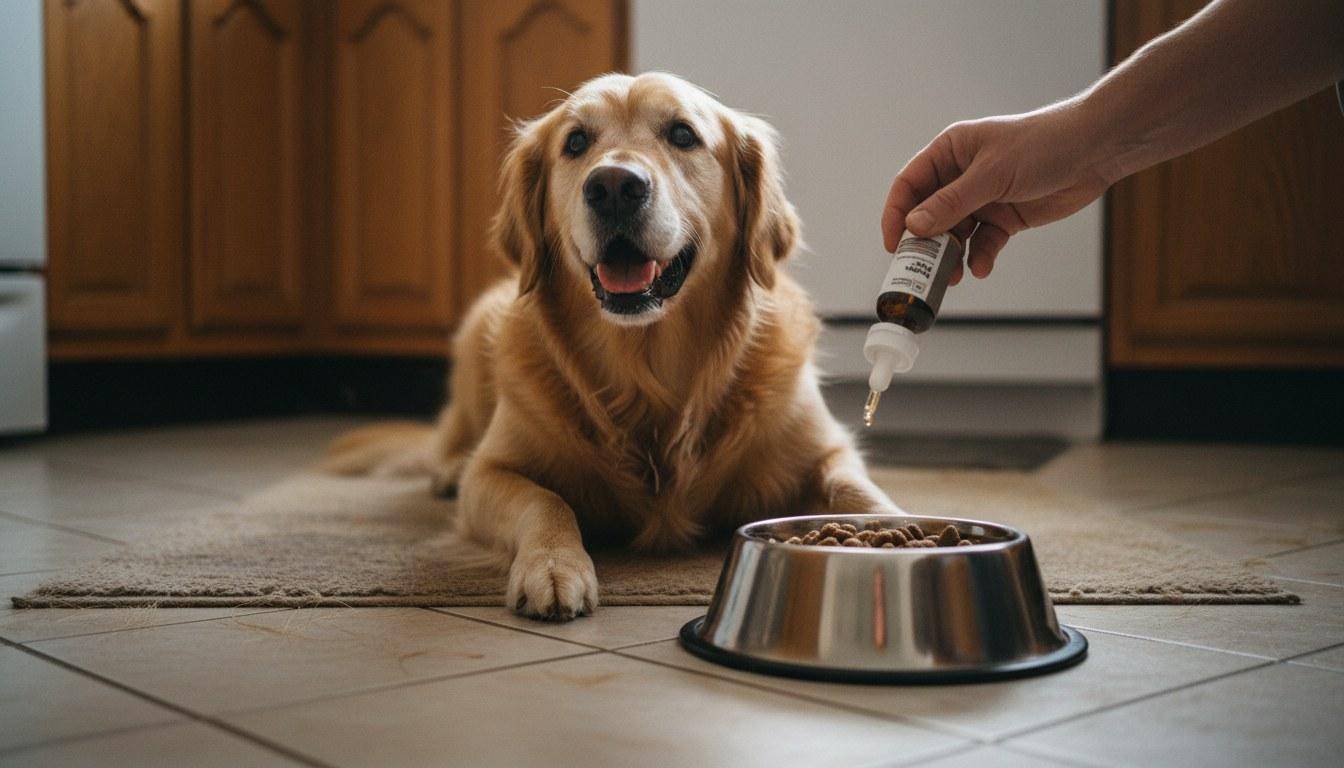
Fish oil is the better-established choice for canine joint and mobility support. Omega-3s (EPA and DHA) have been studied in dogs for decades and are widely used by veterinarians. BPC-157 is a newer peptide with interesting early research, mostly in rodents and lab models, so it is best viewed as an emerging option to discuss with your vet. The two are not mutually exclusive, and many owners use fish oil as a foundation.
The Short Answer: Foundation vs Frontier
Fish oil is the foundation. BPC-157 is the frontier. If you want the option with the deepest evidence for supporting your dog's joints, coat, and overall wellness, omega-3 fish oil wins on research volume, veterinary familiarity, and long-term use history.
BPC-157 is a different kind of ingredient. It is a short peptide, a chain of amino acids, studied for its possible role in supporting tissue recovery and gut lining integrity. The research is genuinely interesting, but most of it comes from rodent and cell studies, and controlled data in dogs is limited.
That doesn't make one "good" and the other "bad." They sit at different points on the evidence curve. Here is the practical takeaway:
- Want the most proven starting point? Fish oil.
- Have an active, aging, or recovering dog and a vet open to newer options? BPC-157 may be worth a conversation.
- Considering both? Ask your vet. They work through different proposed mechanisms and are sometimes used together.
What Fish Oil Does for Dogs
Omega-3 fatty acids from fish oil help support healthy joints, skin, coat, and a normal inflammatory response in dogs. The active players are EPA (eicosapentaenoic acid) and DHA (docosahexaenoic acid). Both are long-chain omega-3s that dogs cannot efficiently make on their own from plant sources.
Omega-3s become part of cell membranes throughout the body. Researchers believe this shifts the balance of signaling molecules the body produces, which is why omega-3s are studied for joint comfort and mobility. In dogs, studies have looked at omega-3 intake and outcomes like ease of movement, activity level, and owner-observed comfort, including in research on dogs with age-related joint changes. Results have generally been encouraging, which is why omega-3s appear in many veterinary joint-focused diets.
Beyond joints, fish oil is commonly used to support:
- Skin and coat — shine, softness, and normal skin barrier function
- Brain and eye health — DHA is a structural component of both
- Heart and kidney wellness — areas where omega-3s have been studied in dogs
The key point: fish oil works slowly and broadly. Owners often notice changes over weeks rather than days, and its benefits extend well beyond mobility.
What BPC-157 Is and What Research Suggests
BPC-157 is a 15-amino-acid peptide originally derived from a protein in gastric juice, studied for its potential to support tissue repair, blood vessel formation, and gut health. "BPC" stands for Body Protection Compound.
Most of what we know comes from preclinical research. That means rodent studies and lab work on cells. In those settings, BPC-157 has been studied in tendon, ligament, muscle, and gut tissue models. Researchers have explored how it may influence growth factor signaling and the formation of new blood vessels, processes involved in the body's natural recovery after strain or exertion.
Here is what the research does not show yet: large, controlled clinical trials in dogs. Published canine-specific data is thin. When people describe BPC-157 results in dogs, they are usually describing anecdotes, owner reports, or extrapolations from animal models. Those can be useful signals, but they are not the same as proof.
BPC-157 is often paired with TB-500, a fragment of the naturally occurring protein thymosin beta-4. It is studied for its role in cell migration and tissue flexibility. For a deeper look at the peptide itself, see our full guide to BPC-157 for dogs.
Head-to-Head: How They Compare
Fish oil leads on evidence and familiarity. BPC-157 offers a different, more targeted proposed mechanism with far less proof behind it. Here is how they stack up on the factors owners care about most.
- Evidence in dogs: Fish oil has a substantial body of canine research. BPC-157 is mostly preclinical, with limited dog-specific data.
- How it works: Fish oil changes cell membrane composition and supports a normal inflammatory balance. BPC-157 is studied for supporting local tissue recovery and gut lining integrity.
- Scope: Fish oil is broad (joints, skin, coat, brain, heart). BPC-157 is more focused on connective tissue, muscle, and gut.
- Time to notice changes: Fish oil typically takes weeks of consistent use. BPC-157 timelines in dogs aren't well defined by research.
- Vet familiarity: Nearly every vet knows fish oil well. Comfort with peptides varies a lot from clinic to clinic.
- Regulatory status: Fish oil is a widely sold supplement ingredient. BPC-157 is not an FDA-approved drug for people or animals, and its regulatory picture is still evolving.
Neither column is a reason to dismiss the other. They answer different questions. Fish oil asks, "How do I support my dog's whole body over the long haul?" BPC-157 asks, "Is there something more targeted to support recovery for an active or aging dog?"
Safety and Side Effects: What to Watch For
Fish oil is generally well tolerated, but it is not risk-free. BPC-157 has a limited safety record in dogs, so caution and vet oversight matter more.
With fish oil, the most common issues are mild:
- Loose stools or upset stomach, especially when first starting
- Fishy breath or a fishy smell
- Extra calories, which matter for dogs watching their weight
- Oxidation. Rancid fish oil is a real quality problem, so freshness and storage matter.
Fish oil can also influence normal blood clotting at higher intakes. That is why your vet should know about it before any surgery or if your dog takes other medications.
With BPC-157, preclinical studies haven't flagged major concerns. But "not flagged in rodents" is not the same as "proven safe in dogs." Long-term canine data simply doesn't exist yet. Product quality also varies widely in the peptide market. Purity, accurate labeling, and testing are the biggest practical safety variables. Our peptides for dogs safety guide covers what to check before choosing any peptide product.
For both: follow label directions, never give a human product to your dog without vet guidance, and stop use and call your vet if you notice anything unusual.
How to Talk to Your Vet About Both
Bring your vet a specific question, not just a product. You'll get a far more useful answer. Vets are rightly cautious about newer ingredients, and a focused conversation helps them weigh your dog's full picture.
Useful questions to ask:
1. "Is fish oil a good fit for my dog's age, weight, and current diet? Some dog foods already include omega-3s." 2. "Are there medications, upcoming procedures, or health factors that make either option a concern?" 3. "What changes in mobility or comfort should I track, and over what time frame?" 4. "Are you comfortable with me trying a peptide supplement, and how would we monitor it?"
Bring the actual product label, including the ingredient list and any certificate of analysis (COA). A COA shows third-party test results for purity and content. Vets appreciate being able to see exactly what's in the bottle.
Also, mobility changes in dogs deserve an exam first. Stiffness, limping, or reluctance to jump can have many causes. A supplement should support a plan your vet has helped shape, not replace a diagnosis.
Can You Use BPC-157 and Fish Oil Together?
Many owners do, and the two don't share an obvious conflict. But combining them is a decision to make with your vet. Because they work through different proposed pathways, some people see them as complementary. Fish oil provides the broad, long-term base. A peptide is layered on for more targeted support.
If you and your vet decide to combine them, a few practical habits help:
- Start one at a time. If you add both on the same day and something changes, you won't know which one caused it.
- Keep a simple log. Note energy, willingness to climb stairs or jump, stool quality, and appetite.
- Reassess on a schedule. Agree with your vet on when to check in and what "working" looks like.
The honest framing is this: fish oil is the evidence-backed default. A peptide is an add-on you explore thoughtfully, not a replacement for the basics. Those basics include healthy weight, appropriate exercise, good footing at home, and regular vet care.
How to Choose a Quality Product
Quality is the biggest variable you control, for fish oil and especially for peptides. The same ingredient can perform very differently depending on how it's sourced, made, and tested.
For fish oil, look for:
- EPA and DHA amounts clearly listed, not just "fish oil"
- A formula made for dogs, or vet-approved guidance if using another product
- Freshness signals: sealed packaging, an antioxidant like vitamin E, and no strong rancid odor
For peptides, the bar should be higher:
- Third-party lab testing on every lot, with a COA you can actually read
- Clear manufacturing origin. Know where and how it's made.
- A formula designed for dogs, with dog-specific label directions
- A guarantee that shows the company stands behind it
At Ageless Humans, every product is made in our FDA-registered facility in Carlsbad, California. Every lot is third-party lab tested with a COA, and everything is backed by a 60-day money-back guarantee.
Frequently asked questions
Is BPC-157 better than fish oil for dogs?+
Not in terms of evidence. Fish oil has decades of canine research and broad veterinary use for supporting joints, skin, and coat. BPC-157 is a newer peptide studied mostly in rodents and lab models, with limited dog-specific data. Fish oil is the stronger foundation, and BPC-157 is an emerging option to discuss with your vet.
Can I give my dog fish oil and BPC-157 at the same time?+
Many owners use both, since they work through different proposed mechanisms and have no known conflict. Still, talk to your vet first, especially if your dog takes medications or has surgery planned. Introduce one product at a time so you can tell how your dog responds to each.
How long does fish oil take to work in dogs?+
Fish oil works gradually because omega-3s need time to build up in cell membranes. Owners often notice changes in coat or comfort over several weeks of consistent use rather than days. Follow the label directions and check in with your vet on what changes to track.
Is BPC-157 safe for dogs?+
Preclinical research hasn't flagged major concerns, but long-term safety data in dogs is limited. Product quality and purity are major safety factors in the peptide market. Choose a dog-specific formula with third-party testing and a COA, follow label directions, and involve your vet before starting.
What are the side effects of fish oil in dogs?+
The most common side effects are mild: loose stools, upset stomach, fishy breath, and added calories. Fish oil can also influence normal blood clotting at higher intakes, so your vet should know about it before surgery. Rancid fish oil is a quality issue, so freshness matters.
Should I ask my vet before giving my dog BPC-157 or fish oil?+
Yes. Mobility changes like stiffness or limping can have many causes and deserve an exam first. Your vet can check your dog's diet, medications, and health history, then help you decide whether fish oil, a peptide, or both fit your dog's plan.